



The New Rules of the Road
The government has officially notified the third phase of its Corporate Average Fuel Economy (CAFE) norms, which will be enforced from April 2027 to March 2032. Unlike previous emission standards that focused on individual models, CAFE norms regulate
the average fuel efficiency across a manufacturer's entire fleet of vehicles sold in a year. The goal is to make the entire fleet more efficient, targeting a significant 16.7% improvement in average fuel economy over five years. For an average car, the target CO2 emission will drop from the current 113 g/km to around 94.8 g/km in 2027, and further down to about 78.9 g/km by 2032. Manufacturers who fail to meet their fleet average will face penalties for every gram of CO2 they are over the limit, per car sold.
A Big Push for Hybrids and EVs
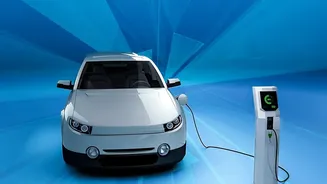
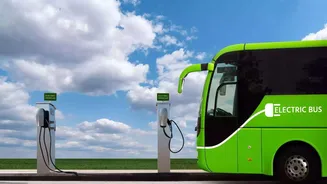
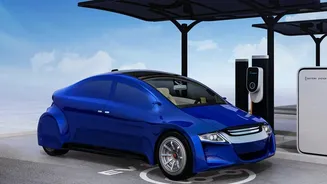
To meet these aggressive targets, the new rules are designed to heavily incentivise the production and sale of electric and hybrid vehicles. The framework includes a system of 'super credits', where selling one electric vehicle (EV) can count as selling multiple cars for compliance calculations. For instance, battery EVs get a 3x multiplier, meaning each EV sold helps offset the emissions of several conventional petrol or diesel cars. Strong hybrids also receive significant benefits with a 1.6x multiplier. This regulatory push provides a strong business case for carmakers to accelerate their EV and hybrid launch plans, as selling more green vehicles will be crucial to balancing their overall fleet average and avoiding steep penalties.
The Future of the Small Car
One of the most debated aspects of the CAFE-3 norms was the treatment of small cars. Initially, there was a proposal to give special concessions to smaller, lighter vehicles, a move supported by manufacturers with large portfolios of small cars. They argued that these cars are already fuel-efficient and the high cost of adding new technology would disproportionately affect the affordable end of the market. However, the final rules notified in September 2026 did not include a separate small-car concession. Instead, the compliance formula is based on the average weight of a manufacturer's fleet. While this may seem tough on small cars, the final formula does offer some relief by giving lighter vehicles more headroom on emissions than earlier drafts proposed. Still, the pressure is on to make even the smallest cars cleaner, which could challenge their traditional affordability.
What This Means for Car Prices
While the new rules don't directly mandate price hikes, the path to compliance involves significant investment from automakers. To make cars more efficient, manufacturers will need to adopt advanced technologies like turbochargers, hybrid systems, lightweight materials, and more sophisticated engine management systems. These upgrades come at a cost, which will likely be passed on to the consumer. The transition to BS6 emission norms previously led to a noticeable increase in vehicle prices, and a similar trend is anticipated with CAFE-3. The pressure will be particularly high in the budget segment, where margins are thin and the cost of new technology represents a larger percentage of the car's total price. This could lead to a future where entry-level cars become more expensive than they are today.
How Manufacturers Will Adapt
Car companies are already strategizing for the 2027 deadline. The most obvious path is to diversify their product portfolios. We can expect to see an accelerated rollout of strong-hybrid and all-electric models, as these offer the biggest benefits for meeting fleet targets. Some manufacturers may also increase their focus on CNG and flex-fuel vehicles, which also receive benefits under the new rules. Furthermore, carmakers can invest in a range of government-recognised efficiency-boosting technologies, such as start-stop systems, high-efficiency transmissions, and LED lighting, to gain credits. For consumers, this translates into a wider choice of green vehicles, but it could also mean the discontinuation of some popular, less-efficient models as companies rebalance their offerings to stay compliant.