







The Breakdown: What Happens During Exercise
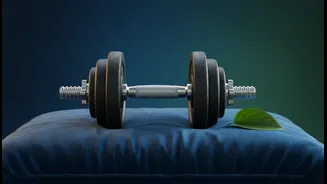
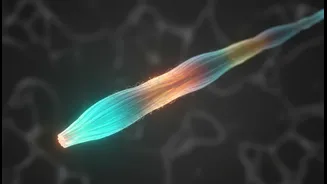
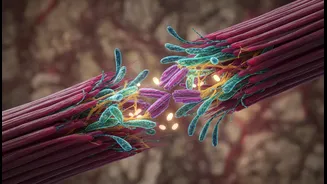
When you perform resistance training, you're not immediately building muscle; you're actually breaking it down. That intense effort, whether from lifting weights or bodyweight exercises, creates microscopic tears in your muscle fibres. This process, known
as muscle damage, sounds alarming but is a necessary and normal stimulus. It's this very breakdown that sends a signal to your body that a repair and reinforcement job is needed. Think of it like a construction project: you have to demolish the old structure before you can build a bigger, better one in its place.
The Science of Repair and Growth
After your workout, your body initiates a complex repair process. It activates specialised stem cells, called satellite cells, which rush to the site of the micro-tears. These cells fuse with the damaged muscle fibres to repair them. This repair doesn't just return the muscle to its previous state. The process, known as muscle protein synthesis (MPS), uses amino acids from the protein you eat to build new protein strands, making the muscle fibres thicker and stronger. For muscle to grow (a process called hypertrophy), the rate of this synthesis must be greater than the rate of muscle protein breakdown.
The Pillar of Sleep
Sleep is arguably the most critical component of recovery. It’s when the majority of muscle repair and growth happens. During the deep stages of sleep, your body releases human growth hormone (HGH), a key player in tissue repair and building new muscle. An increased blood supply to your muscles during sleep delivers essential oxygen and nutrients needed for this rejuvenation. Conversely, a lack of sleep can increase levels of cortisol, a stress hormone that can break down muscle tissue, essentially undoing your hard work. Experts recommend adults get 7-9 hours of quality sleep per night to maximize these benefits.
Fuelling the Rebuild with Nutrition
You can't build a house without bricks, and you can't build muscle without the right nutrients. Protein is paramount, as it provides the amino acids that are the literal building blocks for muscle repair. Consuming adequate protein, particularly after a workout, helps to stimulate muscle protein synthesis. But carbohydrates are just as important. They replenish your muscle's primary fuel source, glycogen, which gets depleted during exercise. Healthy fats also play a role by supporting hormone production and helping to manage inflammation. Hydration is key, too, as water helps transport all these vital nutrients to your cells.
Active Recovery vs. Complete Rest
Recovery doesn’t always mean lying on the couch. While rest days are essential for significant repair, often taking 24 to 48 hours, active recovery can also be beneficial. Active recovery involves light-intensity exercise like walking, stretching, or yoga on your 'off' days. This gentle movement can help increase blood flow, reduce muscle soreness, and improve flexibility without putting significant strain on your muscles. Listening to your body is crucial; some days will call for complete rest, while others may be perfect for a light, restorative activity.
Are You Under-Recovering?
More training isn't always better. Sometimes, a lack of progress is a sign of under-recovering, not under-training. Key signs to watch for include persistent muscle soreness, a plateau or decline in your performance, and chronic fatigue. You might also experience irritability, poor sleep quality, or nagging injuries that don't seem to heal. If you're experiencing these symptoms, it’s a clear signal from your body that it needs more time and better resources—like sleep and nutrition—to adapt to the stress of your workouts.