






The Forces Driving the Great Rebalance
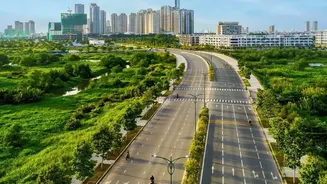
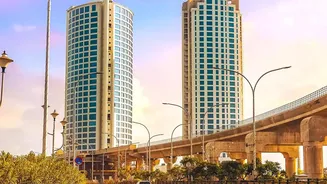
For decades, a career in India was synonymous with moving to a handful of metros. That narrative is changing. A combination of factors is decentralising opportunity, making Tier-2 and Tier-3 cities more attractive than ever. The government's focus on infrastructure
has been a significant catalyst, with new highways, airports, and digital networks connecting previously overlooked cities to the national economy. This physical and digital connectivity makes it easier for companies to operate from these locations. The pandemic-induced acceptance of remote and hybrid work also played a crucial role. It proved that talent could be productive from anywhere, prompting companies to look beyond expensive metro hubs. As a result, businesses are discovering the benefits of setting up operations in smaller cities, from lower costs to access to a fresh talent pool.
The Corporate Shift: Lower Costs, Wider Talent
For companies, the business case for expanding into smaller cities is compelling. Operational costs, particularly real estate, can be significantly lower than in major metros. This allows businesses to allocate resources more efficiently towards innovation and growth. Talent acquisition costs are also often lower, with some reports suggesting savings of up to 30% on salaries. Beyond cost, companies are finding that Tier-2 cities offer access to a skilled and often more loyal workforce. Many of these cities have strong educational ecosystems that produce graduates in fields like IT, engineering, and management. This creates a ready supply of talent that is often eager to find opportunities closer to home, leading to lower attrition rates and greater workforce stability.
The Employee Advantage: Better Quality of Life
The move is not just a corporate strategy; it’s a lifestyle choice for a growing number of professionals. The primary draw is a significantly improved quality of life. The cost of living in cities like Jaipur or Coimbatore is substantially lower than in Delhi or Mumbai, meaning salaries stretch further. Housing costs, a major financial burden in metros, can be 40-50% cheaper. Shorter commute times, less pollution, and a less stressful environment are also major attractions. Many who have made the move report a better work-life balance and more time for family and personal pursuits. This shift is not just about saving money; it's about gaining a higher standard of living that has become increasingly difficult to achieve in congested urban centres.
The New Hubs of Innovation and Growth
This trend is not uniform; specific cities are emerging as powerful hubs for different sectors. Cities like Jaipur, Indore, Coimbatore, and Lucknow are becoming hotspots for startups and established companies alike. More than half of all government-recognised startups now come from Tier-2 and Tier-3 cities. Jaipur has cultivated a thriving ecosystem for fintech and consumer businesses, while Coimbatore's strong engineering base has made it a manufacturing and IT hub. Indore is seeing a boom in a variety of sectors, including IT and retail services. This specialisation allows these cities to build deep expertise and create a self-sustaining cycle of talent development and business growth, proving that innovation is no longer exclusive to Bengaluru or Mumbai.
Challenges and the Road Ahead
The transition is not without its hurdles. While improving, infrastructure and connectivity can still be a challenge in some areas. Access to venture capital and highly specialised senior talent can also be more limited compared to the established metro ecosystems. However, these challenges are being actively addressed by both government initiatives and the private sector. The growth of Global Capability Centres (GCCs) and a surge in IT jobs in these regions indicate that the corporate world sees a long-term strategic advantage. Hiring in smaller cities is projected to grow nearly twice as fast as in metros, signalling a fundamental and lasting shift in India's employment landscape.