






The Diverse World of Fasting Foods
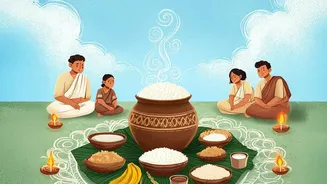
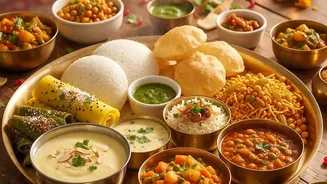
Across India, religious fasts observed during festivals like Navratri, Shivratri, or Ekadashi come with a specific set of dietary rules. Grains like wheat and rice, lentils, and common table salt are typically avoided. Instead, a fascinating array of alternative
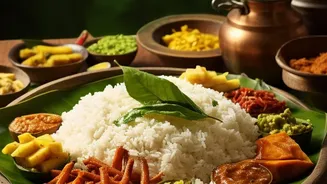
ingredients takes centre stage. Flours made from buckwheat (kuttu), water chestnut (singhara), and amaranth (rajgira) become staples. Vegetables like potatoes, sweet potatoes, and pumpkin are widely used, while rock salt (sendha namak) replaces regular salt for seasoning. This shift in ingredients has given rise to a rich and varied cuisine known as 'farali' or 'vrat ka khana', where every region puts its own unique spin on fasting feasts.
Gujarat's Crispy Delight: Farali Pattice
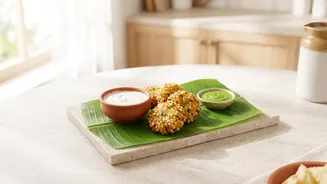
From the state of Gujarat comes the Farali Pattice, a snack that is a festival of textures and tastes. Imagine a crispy, golden-fried outer layer made of mashed potatoes and arrowroot flour, giving way to a soft, steamy interior. The real magic, however, lies in the stuffing: a delightful mixture of sweet, spicy, and nutty flavours. It typically includes freshly grated coconut, roasted and crushed peanuts, cashews, and raisins, all seasoned with a hint of green chilli and lemon juice. This popular snack, often found in sweet-marts across Gujarat and Mumbai, perfectly balances sweet and savoury notes, making it a beloved treat whether you are fasting or not.
North India's Comfort Classic: Kuttu ki Puri
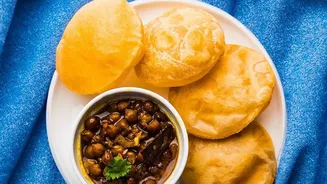
Travel north, and you'll find Kuttu ki Puri reigning supreme during fasting season. Made from buckwheat flour, known as 'kuttu ka atta', these deep-fried breads have a distinct nutty and earthy flavour. Since buckwheat flour is gluten-free, boiled and mashed potatoes are often mixed into the dough to help bind it together, resulting in a puri that is delightfully crispy. These pooris are most famously paired with a simple yet flavourful potato curry, often called 'vrat wale aloo', made without onions or garlic. This combination is a hearty, comforting, and quintessentially North Indian fasting meal.
Maharashtra's Favourite: Sabudana Khichdi
No conversation about fasting food is complete without mentioning Sabudana Khichdi, a dish especially popular in Maharashtra. Made from tapioca pearls (sabudana), this dish requires a bit of preparation, as the pearls need to be soaked beforehand. When cooked correctly, the result is a fluffy, non-sticky pilaf where each pearl is separate and translucent. The khichdi is typically flavoured with cumin seeds, green chillies, and curry leaves, with roasted peanuts providing a much-needed crunch and texture. A squeeze of lemon juice at the end brightens up all the flavours, making it a satisfying meal for any time of day.
South Indian Innovation: Vrat ka Dosa
While dosa is a South Indian staple, a special version emerges during fasting periods. This 'Vrat ka Dosa' cleverly substitutes the usual rice and lentils with fasting-approved ingredients. The batter is typically made from barnyard millet (samak rice) and tapioca pearls (sabudana), often with boiled potato added for binding. The result is a surprisingly crisp and light dosa that requires no fermentation. It is often served with a simple potato masala or a vrat-friendly coconut chutney, bringing the iconic flavours of the South to the fasting table.
A Sweet Conclusion: Makhana Kheer
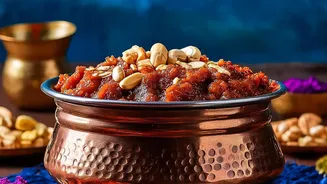
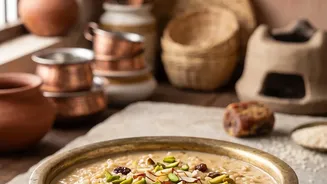
Fasting meals often include delightful desserts, and Makhana Kheer is a popular choice across the country. Makhana, or fox nuts, are puffed lotus seeds that are light and nutritious. To make this kheer, the makhana are lightly roasted in ghee until crispy, then simmered in milk until it thickens into a creamy consistency. The dessert is sweetened with sugar or jaggery and delicately flavoured with cardamom, saffron, and a variety of nuts like almonds and pistachios. It’s a guilt-free indulgence that feels both luxurious and comforting.