





The Magic of Acidity
In the world of flavour, we often focus on salt, spice, and sweetness. But acid is the silent hero that makes everything else taste better. A splash of acidity does several magical things: it cuts through richness and fat, balances sweetness, enhances
the flavour of other ingredients, and adds a bright, clean finish to a dish. In Indian cuisine, we instinctively understand this. We squeeze lime over dal, use tamarind in sambar, and rely on dahi for marinades. Vinegar is simply another powerful tool in this same flavour-balancing arsenal. It’s a way to introduce a controlled, consistent sour note that can elevate everything from a simple sabzi to a complex curry.
The Workhorse: White Vinegar
This is the sharpest, most aggressive vinegar, and its power should be respected. Made from fermented grain alcohol, it has a stark, purely acidic taste. While you wouldn't drizzle it over a salad, it's an indispensable workhorse. It’s the backbone of most pickling brines, perfect for making quick-pickled onions or cucumbers to serve with rich meals. In Indo-Chinese cooking, it provides the essential tangy counterpoint to soy sauce and chilli in dishes like Manchurian or chilli paneer. A tiny splash can also work wonders in a pot of chickpeas or rajma, helping to tenderise them and brighten the final dish without being overtly noticeable. Use it sparingly, but use it often.
The All-Rounder: Apple Cider Vinegar
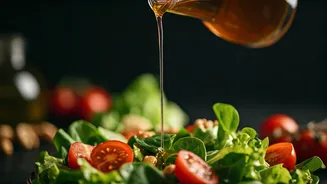
If white vinegar is a sledgehammer, apple cider vinegar (ACV) is a versatile multi-tool. Made from fermented apple juice, it’s milder, fruitier, and has a touch of sweetness. This makes it incredibly food-friendly. It’s the classic choice for vinaigrettes and salad dressings, pairing beautifully with greens, vegetables, and fruits. It’s also fantastic in marinades for chicken or pork, as its acidity helps to tenderise the meat while adding a subtle fruity note. Try adding a tablespoon of ACV to your next pot of potato salad or coleslaw; it will cut through the creamy mayonnaise and make the entire dish taste fresher and lighter. Always look for the 'with the mother' variety for a more complex flavour.
The Finisher: Balsamic Vinegar
Balsamic vinegar from Modena, Italy, is a different beast altogether. True, traditional balsamic is aged for years, becoming thick, syrupy, and complexly sweet. This is a luxury item used as a finishing touch, drizzled over everything from roasted vegetables and grilled meats to fresh strawberries and even vanilla ice cream. However, the more common and affordable 'Balsamic Vinegar of Modena' found in supermarkets is a brilliant ingredient in its own right. It’s more acidic than traditional balsamic but still carries that characteristic sweet, raisiny flavour. Use it in dressings, reduce it on the stove to create a glaze for chicken or paneer, or simply toss it with roasted tomatoes and garlic for an instant, delicious side dish.
Simple Ways to Start
Feeling inspired but not sure where to begin? Here are a few simple ways to incorporate vinegar into your daily cooking. When you finish sautéing onions and tomatoes for a curry base, add a small splash of white or apple cider vinegar to the pan to 'deglaze' it, scraping up all the delicious browned bits from the bottom. This adds an incredible depth of flavour. Making a rich, fatty dish like a mutton curry or a creamy paneer makhani? Finish it with a tiny drizzle of vinegar just before serving. It won't make the dish taste sour, but it will lift all the flavours and make it feel less heavy. Even a simple bowl of dal can be transformed with a few drops, much like you’d use lemon juice. Start small, taste as you go, and you'll quickly learn how a simple bottle of vinegar can change your entire cooking game.