





Embrace Layers, Ditch the Cotton
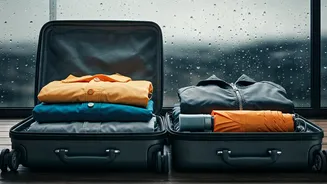
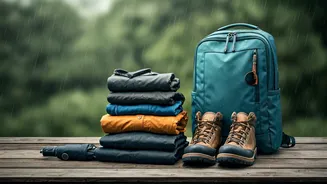
The golden rule of monsoon trekking is to layer your clothing. However, not all layers are created equal. It's crucial to avoid cotton clothes, as they absorb moisture like a sponge and take a very long time to dry, which can lead to a drop in your body
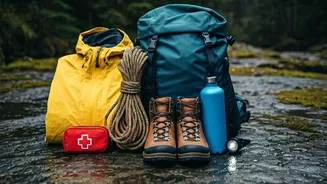
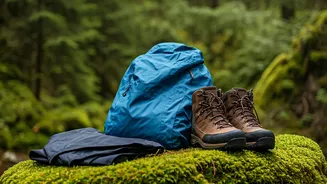
temperature. Instead, opt for quick-drying synthetic fabrics like polyester or nylon for your t-shirts and trekking pants. A fleece jacket serves as an excellent mid-layer for insulation, as it remains warm even when slightly damp. For your outermost layer, a high-quality, breathable rain jacket or poncho is non-negotiable to protect you from downpours while allowing sweat to escape.
The Double-Bagging Technique
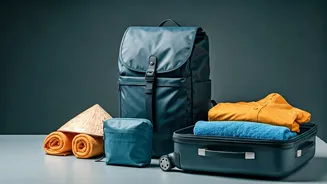
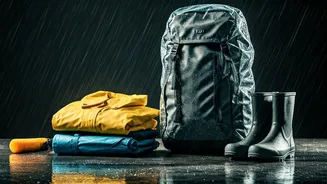
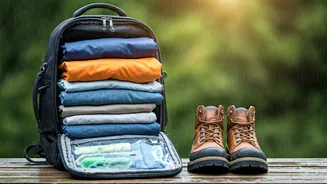
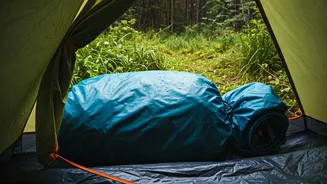
Even with a good rain cover for your backpack, persistent rain can find its way in. The smartest way to protect your belongings is to double-bag them. Use a large waterproof pack liner or a heavy-duty trash bag as the first line of defense inside your rucksack. Then, compartmentalise your gear—clothes, electronics, snacks, and a sleeping bag—into separate dry bags or sturdy zip-lock bags. This ensures that even if the outer bag gets wet, your essentials remain completely dry. Pay special attention to electronics like your phone, power bank, and headlamp by sealing them in waterproof pouches.
Footwear: Your First Line of Defence
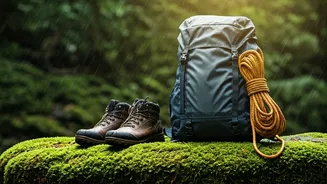
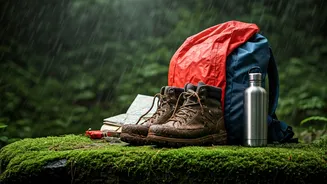
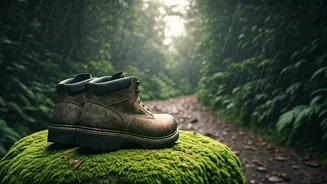
Your choice of footwear can make or break a monsoon trek. Regular sports shoes or sneakers are not suitable for wet, slippery, and muddy terrain. Invest in a pair of high-ankle, waterproof trekking shoes with a soft rubber sole and deep grooves (lugs) for excellent grip on slippery rocks and muddy paths. The high-ankle support helps prevent twists and also offers some protection from leeches and insects. It's also wise to break in your new shoes before the trek to avoid painful blisters. Always pack multiple pairs of synthetic or wool socks; cotton socks should be avoided. Some trekkers also carry leech-proof socks as an added precaution.
A Monsoon-Ready First-Aid Kit
While a basic first-aid kit is always essential, a monsoon trek requires a few specific additions. Due to the high humidity and damp conditions, fungal infections can be a concern, so including an anti-fungal powder like Candid is highly recommended. Your kit should also contain antiseptic wipes, bandages for cuts and blisters, medical tape, and pain relievers. Given the prevalence of insects, a good insect repellent is a must. Also include medication for diarrhea, oral rehydration salts (ORS) to combat dehydration, and any personal medications you require. Storing your entire kit in a waterproof bag or container is crucial to keep the supplies dry.
Essential Gear and Smart Accessories
Beyond clothing and footwear, a few key accessories will significantly improve your comfort and safety. A rain poncho that can cover both you and your backpack offers superior protection. Trekking poles are invaluable for maintaining balance on slippery descents and while crossing streams. A waterproof cap or a wide-brimmed rain hat worn under your jacket's hood will keep rain from dripping onto your face. Don't forget a headlamp or torch, as trails can get dark early on overcast days. Finally, carry a quick-dry towel and a few extra plastic bags for storing wet or muddy clothes separately from your dry gear.