


The New Style Uniform
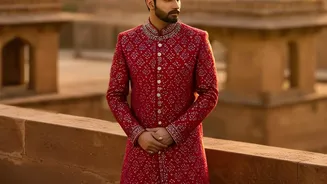
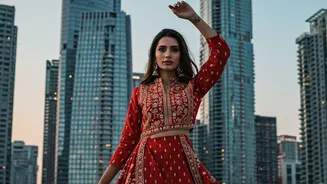
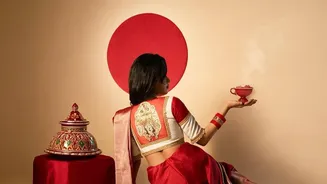
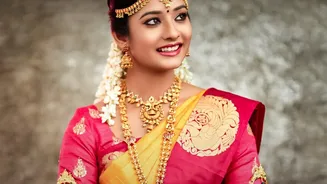
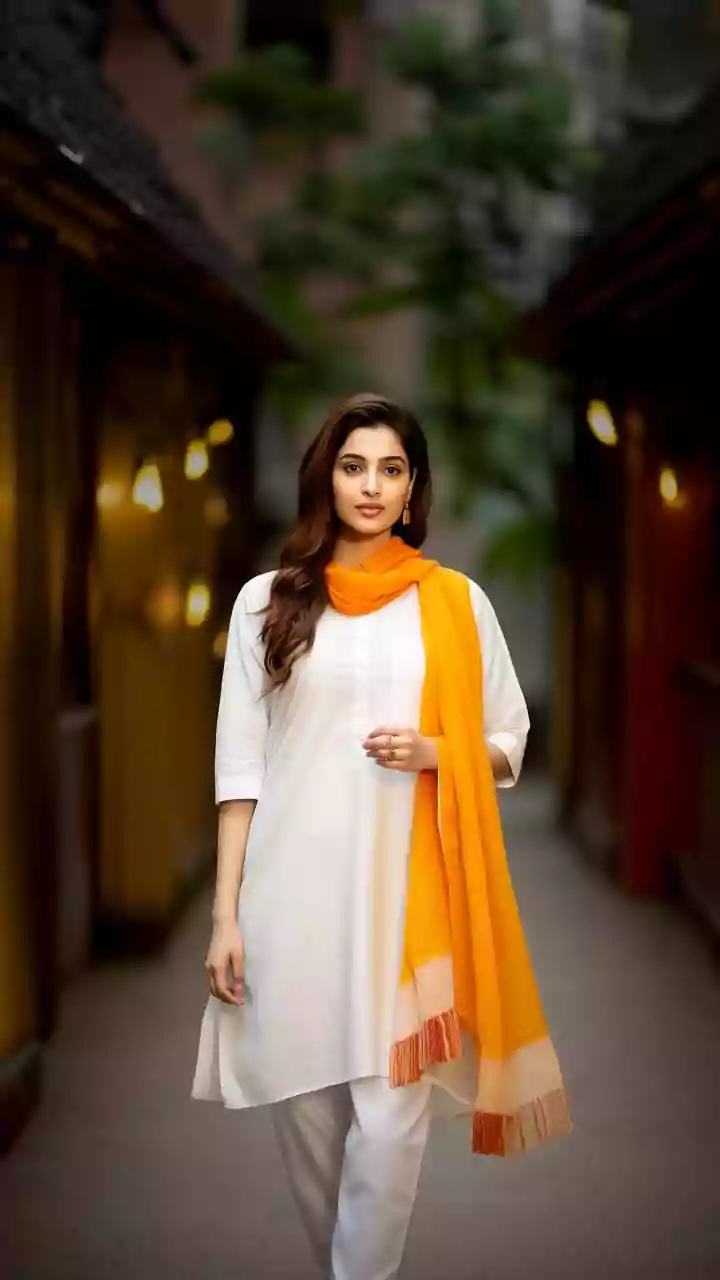
The old boundaries separating 'ethnic' and 'Western' wardrobes are dissolving, and Gen Z is leading the charge. For this generation, fashion is less about rigid categories and more about personal expression, practicality, and, above all, comfort. The result
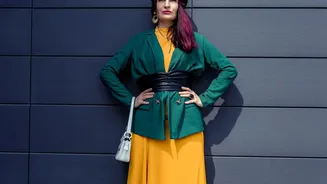
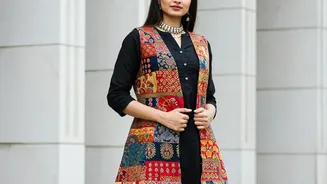
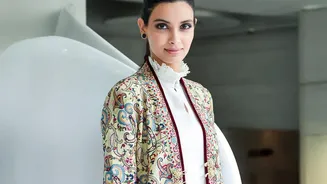
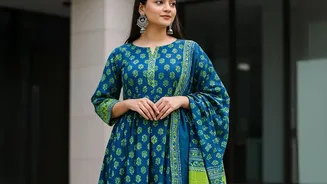
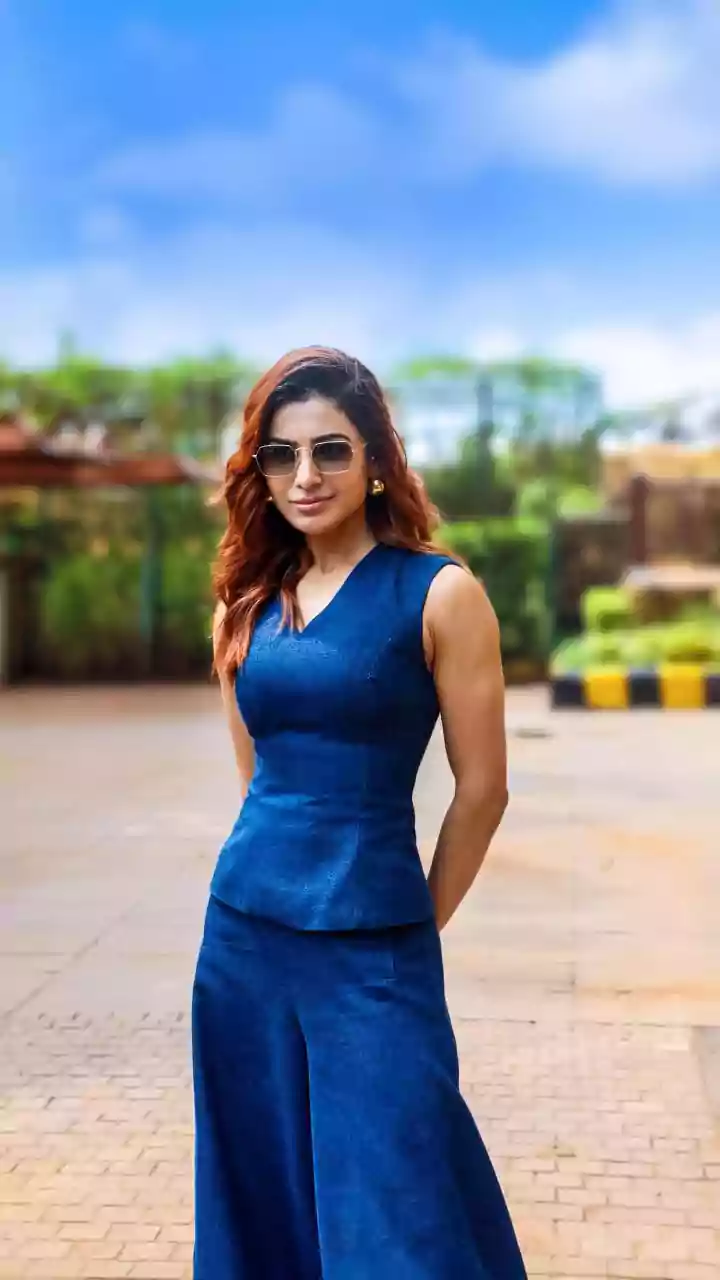
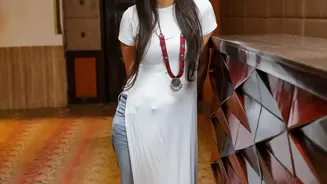
is a creative fusion where a short kurti is paired with wide-leg jeans for a brunch date, a handblock print skirt is matched with a simple crop top, and a traditional dupatta is styled like a scarf over a t-shirt. This mix-and-match approach makes heritage pieces more accessible and wearable for everyday life, moving them beyond the confines of festivals and weddings. It’s a style that is inherently versatile, allowing a single outfit to transition from a casual daytime gathering to a more festive evening event with a simple switch of accessories.
Comfort Is the New Cool
A major driving force behind this shift is Gen Z's non-negotiable demand for comfort. Having grown up in an era where activewear became everyday wear, this generation rejects the idea that style must come at the expense of ease. Stiff fabrics and restrictive silhouettes are being swapped for breathable cottons, relaxed fits, and practical footwear. The decision to wear sneakers with a saree or a kurta isn't about laziness; it's a deliberate choice for functionality. It’s an acknowledgment that modern life requires movement, whether it’s navigating a busy city, spending a long day at college, or dancing at a sangeet without being restricted by uncomfortable clothing. This priority on comfort makes traditional wear more practical and appealing for daily use.
Redefining Tradition on Their Own Terms
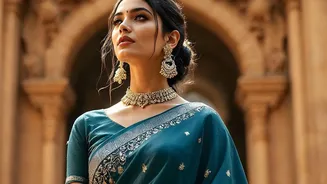
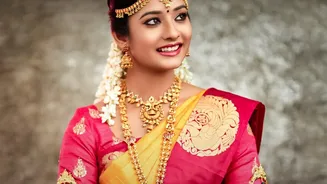
This trend is far from a rejection of cultural heritage; it's a reinterpretation of it. For many in Gen Z, wearing ethnic pieces is an act of cultural ownership and a way to connect with their roots in a manner that feels authentic to their globalised identity. Instead of simply replicating the styles of their parents or grandparents, they are innovating. This can be seen in the way they are upcycling old family heirlooms, like turning a mother's vintage Banarasi saree into a contemporary jacket or skirt. By blending traditional crafts with modern silhouettes, they are ensuring that these timeless textiles remain relevant and are not just museum pieces. This approach keeps a collective story alive, one thread at a time.
The Social Media Lookbook
Platforms like Instagram, Pinterest, and YouTube have become the primary source of fashion inspiration for Gen Z, transforming how trends are born and shared. Fashion influencers and creators continually showcase innovative ways to style ethnic wear, providing an endless stream of visual ideas. Seeing a favourite creator pair a lehenga skirt with an oversized blazer or a saree with a belt normalises these combinations and encourages experimentation. This digital exposure allows new styling ideas to spread rapidly from metropolitan hubs to smaller towns and college campuses across the country, turning personal style statements into mainstream trends. The result is a user-generated style guide where authenticity and personal expression are celebrated.
A Statement of Values
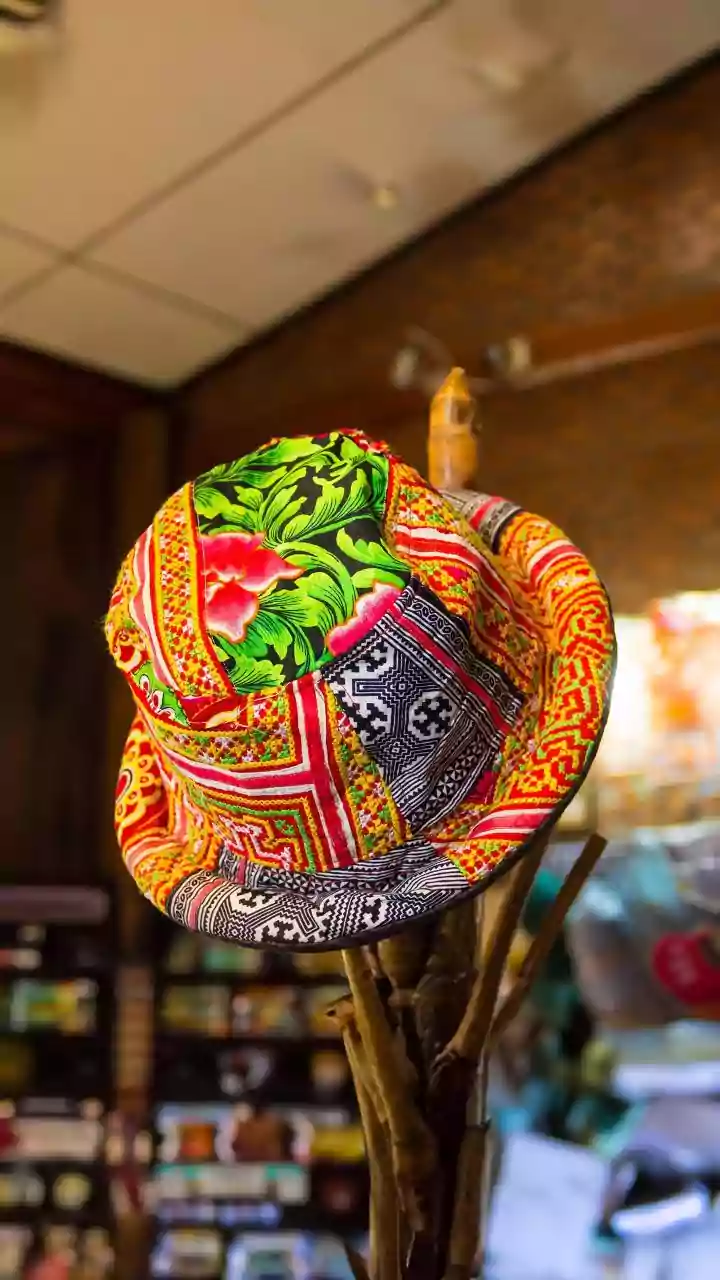
Beyond aesthetics, this fashion movement is also tied to a deeper set of values. For a generation increasingly conscious of sustainability, mixing and matching or upcycling old garments is a natural move away from the culture of fast fashion. There's a growing appreciation for handcrafted textiles and the stories behind them. Choosing an artisan-made piece over a mass-produced item is seen as a conscious choice to support ethical production and preserve living traditions. This blend of ethnic and casual wear is therefore more than just an outfit; it’s a reflection of a generation that values individuality, sustainability, and a fluid, modern connection to their cultural heritage.