
The Magic of a Post-Monsoon Drive
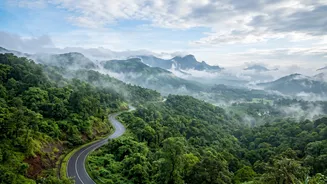
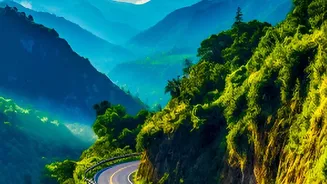
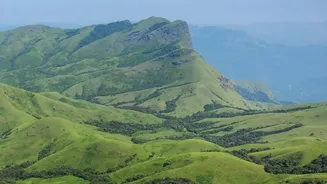
There's a special magic to the Western Ghats right after the monsoon subsides. From September to October, the landscape, washed clean by months of rain, is at its most vibrant. The air is cool, the waterfalls are still thunderous, and the hills are draped
in a thousand shades of green. This window is ideal for a road trip, offering spectacular scenery without the peak monsoon risks of constant downpours and severe landslides. It's a time when the journey itself, with mist-covered roads and changing vistas at every turn, becomes the destination. This guide explores two distinct but equally captivating post-monsoon drives: one through the rugged, wildflower-dusted plateaus near Satara in Maharashtra, and the other through the dense, coffee-scented hills of Coorg in Karnataka.
Part 1: The Wildflower Carpets of Satara
A drive towards Satara, located about 130 km from Pune, takes you into the heart of the Sahyadri range. The main attraction in the post-monsoon season is the Kaas Plateau, a UNESCO World Natural Heritage Site. For a few precious weeks, typically from late August to early October, this laterite plateau transforms into a breathtaking 'valley of flowers'. Over 850 species of wildflowers bloom across the vast expanse, creating carpets of purple, pink, yellow, and white. The bloom is dependent on the year's rainfall, making every visit unique. The drive from Satara city to the plateau is scenic, climbing up the ghats and offering panoramic views. Beyond the flowers, the region is dotted with historic forts and gushing waterfalls that make for perfect detours.
Satara Route and Must-See Stops
The drive from Mumbai or Pune is straightforward via NH48 towards Satara. From Satara city, it's a 25 km drive to the Kaas Plateau. It is highly recommended to book entry passes online in advance, as visitor numbers are regulated to protect the fragile ecosystem. While at Kaas, you can walk along designated trails to view the flowers. A short drive away are the Thoseghar Waterfalls, a series of cascades that are particularly spectacular right after the monsoon. You can also visit the tranquil Kaas Lake or explore the historic Sajjangad Fort, the final resting place of Saint Ramdas, which offers stunning views of the surrounding landscape. For a taste of local flavour, don't miss out on trying Satara-style misal pav in the city.
Part 2: The Emerald Hills of Coorg
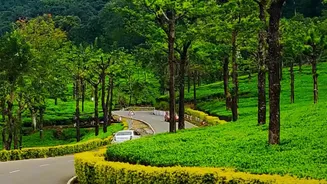
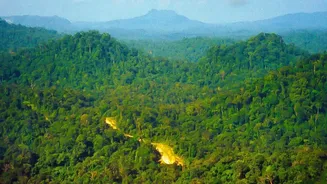
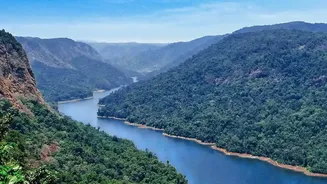
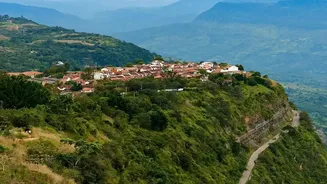
Further south, the drive into Coorg (Kodagu) offers a different kind of green. Known as the 'Scotland of India', this region is famed for its rolling hills covered in coffee and spice plantations, dense forests, and a perpetual coat of mist. The post-monsoon season is an ideal time to visit, with the landscape lush and waterfalls like Abbey Falls at their peak. The main hub, Madikeri, is a charming hill town that serves as a great base for exploration. A road trip here is an immersive experience, with the scent of coffee and pepper in the air and the roads winding through vast, canopied estates. The journey from Bangalore is smooth, especially with the Bangalore-Mysore Expressway, making it an accessible weekend getaway.
Coorg Route and Must-See Stops
The most recommended route from Bangalore, about 255 km away, is via the Bangalore-Mysore Expressway (NH275) to Mysore, then onward through Hunsur and Kushalnagar before ascending to Madikeri. This route takes about five to six hours. A worthy stop en route is the Namdroling Monastery in Bylakuppe, with its stunning Golden Temple. Once in Coorg, visit Raja's Seat in Madikeri for panoramic sunset views where the kings of Kodagu once relaxed. Just 8 km from town, Abbey Falls cascades down rocks amidst private plantations. No trip to Coorg is complete without a tour of a coffee plantation to understand the bean-to-cup process. For a taste of the local cuisine, be sure to try the region's famous Pandi Curry (pork curry) and Kadambuttu (steamed rice dumplings).
Essential Ghat Driving Tips
Driving in the Ghats post-monsoon requires caution. Roads can be slippery, and visibility may be poor due to mist or lingering showers. Always check your vehicle's tyres, brakes, and wipers before you start. Reduce your speed by at least 30-40% compared to dry conditions and maintain a safe following distance. Avoid sudden braking, especially on curves, to prevent skidding. It's best to drive during daylight hours and avoid travelling on ghat roads at night. Be prepared for unexpected delays and have a flexible itinerary. Most importantly, never attempt to drive through flooded roads or areas with landslide warnings.