



Peace Lily: The Elegant Air Purifier
The Peace Lily is more than just a pretty plant with its elegant white blooms and glossy leaves. It is a workhorse when it comes to improving indoor air quality. Peace Lilies absorb moisture through their leaves, which can help reduce humidity levels
in your home. They are particularly effective at absorbing airborne mould spores, making them a great addition to damp-prone areas like bathrooms and kitchens. As a bonus, they are also known for filtering common household toxins from the air. They thrive in low-light conditions and require minimal watering, making them an excellent low-maintenance choice for busy renters.
Snake Plant: The Hardy Dehumidifier
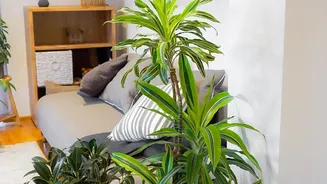
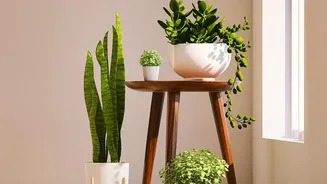
Known as one of the toughest houseplants, the Snake Plant (or Mother-in-law's Tongue) is a fantastic, low-effort option for renters. While some plants release moisture, the Snake Plant is adept at absorbing it from the air through its broad, upright leaves. It is highly adaptable and can tolerate low light and infrequent watering, thriving even with a bit of neglect. Unlike most plants, it also releases oxygen at night, which helps improve air quality while you sleep, making it a perfect roommate for your bedroom.
Boston Fern: The Lush Moisture Lover
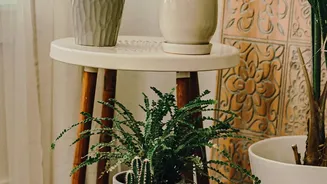
With its feathery, vibrant green fronds, the Boston Fern adds a touch of lushness to any space. These plants are native to tropical forests and absolutely love humidity. They act like natural dehumidifiers, absorbing moisture from the air to keep their foliage healthy. This quality makes them ideal for the most humid spots in your apartment, such as a bathroom with a window. While they have a reputation for being a bit high-maintenance, keeping them happy is manageable once you get their conditions right—they prefer indirect light and consistently moist soil.
Spider Plant: The Adaptable Air Scrubber
The Spider Plant is a resilient and adaptable choice that is perfect for beginners. It is highly effective at absorbing excess moisture from the air, which helps in reducing overall humidity. These plants are also champions at filtering out common airborne toxins like carbon monoxide and xylene. They prefer bright, indirect sunlight but are quite forgiving of lower light conditions. Their arching leaves and the little “spiderettes” they produce make for a charming visual, adding life and freshness to living rooms or home offices.
Rubber Plant: The Broad-Leaved Absorber
The Rubber Plant, with its large, glossy, dark green leaves, makes a bold statement in any room. Beyond its good looks, it is also a powerful ally in the fight against humidity. The plant's broad leaves are efficient at absorbing excess moisture and toxins from the atmosphere, contributing to better indoor air quality. They are relatively easy to care for, preferring bright, indirect light and watering only when the top layer of soil feels dry. It's a stylish and functional plant that helps keep the air in your rental fresh.
Clay Absorbers: The Reusable Solution
For a non-plant option, turn to the power of clay. Unglazed terracotta or bentonite clay absorbers are natural and effective desiccants. Because clay is porous, it naturally pulls moisture from the air, helping to prevent the dampness that can lead to musty odours and mould. You can find clay desiccant packs or simply use unglazed terracotta pots. These are affordable, completely chemical-free, and can often be “recharged” by drying them out in an oven at a low temperature for repeated use. While they may have a lower absorption capacity than chemical options, they are a great, eco-friendly choice for smaller, enclosed spaces like closets and cabinets.