





What Are These Corridors, Exactly?
Think of it as creating a separate, exclusive highway system just for trucks, but on railway tracks. For years, passenger trains and goods trains have shared the same congested lines. This meant freight trains, often carrying essential goods and industrial
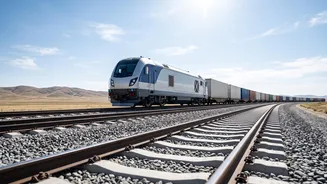
materials, had to wait for passenger services to pass, causing massive delays and logistical nightmares. The Dedicated Freight Corridor (DFC) project created two massive, electrified, high-capacity railway lines exclusively for freight. The Western DFC connects Jawaharlal Nehru Port (JNPT) in Mumbai to Dadri in Uttar Pradesh, while the Eastern DFC links Punjab with West Bengal. By moving goods trains onto these new, separate tracks, the existing railway lines are freed up.
More Room for Mumbai's Local Trains
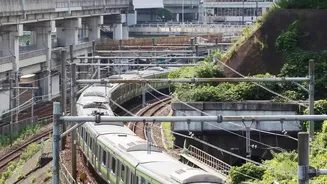
The most significant and immediate impact for Mumbaikars is the decongestion of the city's suburban railway network. With freight traffic now shifted to the Western DFC, which runs parallel to existing lines, there is a substantial increase in capacity on the tracks that carry local trains. This separation is the key. It means Indian Railways can finally run more suburban services, reduce the crushing crowds during peak hours, and improve the punctuality of the trains that millions rely on every day. Officials have noted that this newly available capacity will allow for a significant increase in passenger services, directly addressing one of the most persistent challenges for the city's commuters. This could translate to more frequent services, the introduction of new routes, and potentially even the running of more air-conditioned locals.
An Economic Game-Changer
Beyond the daily commute, the completion of the WDFC is a massive boost for the economy of Mumbai and the entire nation. The corridor drastically cuts down transit times. Cargo that once took days to move between Delhi and Mumbai can now make the journey in under 48 hours. For JNPT, India's largest container port, this means faster evacuation of import and export cargo, making it more competitive on the global stage. This efficiency gain helps lower logistics costs for businesses, which can make Indian-made goods cheaper and more attractive in international markets. The project is a core component of the Delhi-Mumbai Industrial Corridor, designed to spur manufacturing and economic growth along its entire length.
Faster, Heavier, and Greener
The new freight corridors are an engineering marvel designed for the future. The tracks are built to handle heavier loads and allow for double-decker container trains, dramatically increasing the volume of goods moved per train. Freight trains can now run at average speeds of over 75 km/h, with top speeds hitting nearly 100 km/h, a significant improvement over the old, congested network. Furthermore, the entire network is electrified, marking a major shift from diesel-powered road transport to a more environmentally friendly mode of transport. By moving a substantial portion of freight from trucks to trains, the DFCs will contribute significantly to reducing India's carbon footprint and easing the pollution and congestion on its highways.