


An Adventure in Stillness
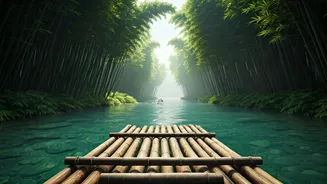
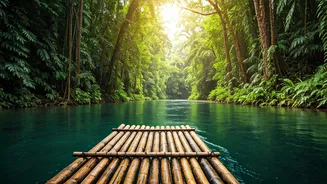
When you hear “rafting,” your mind might jump to churning rapids, helmets, and frantic paddling. Bamboo rafting is the tranquil antithesis. It’s a journey, not a race. Constructed from sturdy bamboo poles lashed together, these rafts are a throwback to a simpler
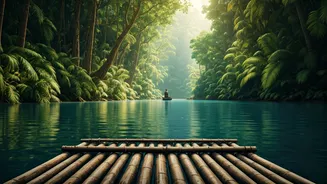
time, a traditional mode of transport repurposed for modern explorers. The experience is guided by a local expert who poles the raft through calm waters—be it a winding river, a placid lake, or a reservoir deep within a forest. The pace is deliberately slow, encouraging you to observe, listen, and simply be present. It’s an adventure defined not by what you conquer, but by what you connect with: the gentle lapping of water, the rustle of leaves in the canopy above, and the profound quiet of the wild.
The Rise of the Slow Escape
The growing appeal of bamboo rafting is tied to a larger shift in how we travel. In a world saturated with digital noise and constant urgency, more travellers are seeking “slow adventures”—experiences that prioritise depth over distance and connection over consumption. The pandemic amplified this desire for mindful, nature-based escapes. We no longer just want to see a place; we want to feel it. Bamboo rafting fits this mould perfectly. It’s an antidote to the packed itinerary and the selfie-driven checklist. It offers a rare chance to disconnect from screens and reconnect with the rhythm of the natural world. This isn’t about conquering a peak; it’s about finding your peace in the valley, making it the ideal activity for anyone feeling burnt out by the pace of modern life.
A Front-Row Seat to Nature's Theatre
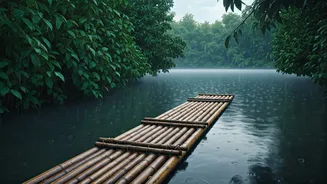
Drifting just inches above the water gives you a unique, low-angle perspective on your surroundings. This silent, non-intrusive mode of travel means you’re more likely to witness wildlife in its natural habitat. In places like Kerala’s Periyar Tiger Reserve, a bamboo rafting excursion can bring you tantalisingly close to herds of elephants drinking at the water's edge, sambar deer grazing peacefully, and a dazzling array of birdlife, from kingfishers to hornbills. Because the raft makes almost no sound, animals are less likely to be startled. It transforms a simple boat ride into a floating safari, an intimate and respectful way to observe the ecosystem without disturbing its delicate balance. Every trip is unscripted, offering a different show each time.
Where to Experience the Magic
While the concept is simple, the experience varies dramatically with the landscape. In India, a few key destinations have perfected the art of bamboo rafting.
Thekkady, Kerala: The undisputed champion. Rafting on the Periyar Lake inside the tiger reserve is an iconic eco-tourism experience. Programmes range from a few hours to a full day, often combined with a gentle trek through the forest, offering a complete immersion into one of South India's most vital ecosystems.
Wayanad, Kerala: Head to Kuruva Island (Kuruva Dweep), a protected river delta on the Kabini River. Here, the rafting is through a dense, uninhabited evergreen forest, creating a feeling of being in a lost world. The waters are calm and the scenery is breathtakingly lush.
Coorg, Karnataka: The tranquil waters of the Kaveri river in locations like Dubare offer another fantastic setting. Here, the experience is often more about soaking in the serene coffee plantation landscapes that line the riverbanks, providing a different, more pastoral flavour of adventure.
An Adventure for Everyone
Perhaps the greatest strength of bamboo rafting is its accessibility. Unlike strenuous treks or technical adventure sports, it requires no prior experience or peak physical fitness. It’s a democratic adventure, welcoming families with young children, couples seeking a romantic escape, and solo travellers in search of solitude. The gentle nature of the activity makes it a wonderful way to introduce children to the wonders of nature without overwhelming them. It’s a shared experience that fosters conversation and quiet companionship, making it a powerful way to bond with loved ones away from daily distractions.