


What Is Sourdough Discard Anyway?
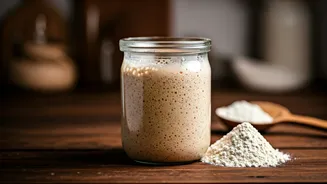
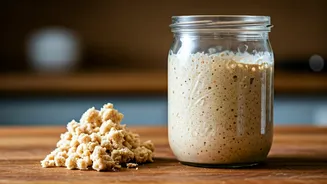
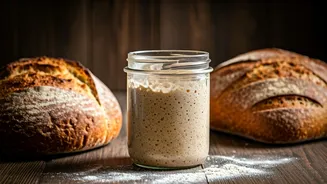
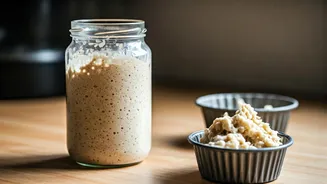
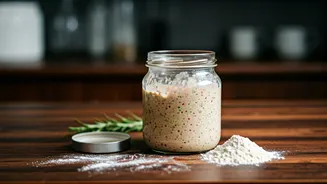
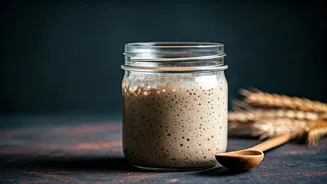
If you've ever maintained a sourdough starter, you know the routine. To keep the living culture of yeast and bacteria healthy and active, you have to feed it fresh flour and water regularly. But before you feed it, you must remove a portion to keep the starter from
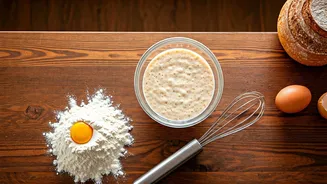
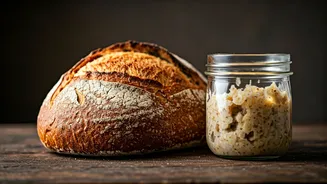
growing into a manageable monster. That removed portion is called the 'discard.' The name implies it's trash, something to be thrown away. For years, that's exactly what most home bakers did. However, this discard is still a potent mix of flour, water, and beneficial microbes; it just isn't active enough on its own to leaven a loaf of bread.
The Shift from Waste to Resource
The movement to save sourdough discard is rooted in a simple, powerful idea: waste isn't waste until you waste it. This philosophy is at the heart of the zero-waste movement, which has found a passionate home in the food community. For eco-minded bloggers, tossing out a cup of perfectly good fermented flour and water every day or week feels fundamentally wrong, especially given the environmental impact of food waste. By reframing discard as an ingredient instead of a problem, they champion a more sustainable and mindful approach to baking. It represents a small but meaningful way to close the loop in the kitchen, turning a byproduct into something delicious and valuable.
A Canvas for Kitchen Creativity
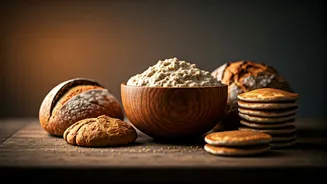
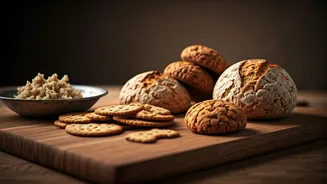
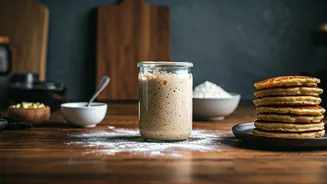
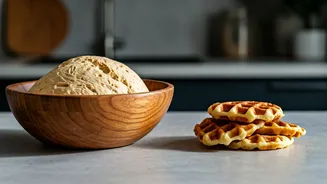
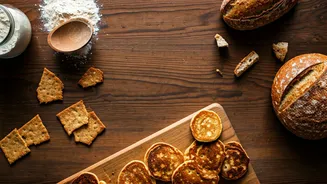
Beyond the principle of waste reduction, sourdough discard has become a catalyst for culinary creativity. Its limitations—namely, its inability to make bread rise on its own—have become a feature, not a bug. Food bloggers are in the business of creating new, exciting content, and the challenge of transforming discard has unleashed a torrent of innovation. The internet is now brimming with thousands of recipes for discard crackers, pancakes, waffles, biscuits, and tortillas. But it doesn't stop there. Creative cooks are using it to make everything from pizza crust and pasta dough to cakes, cookies, and even as a thickener for gravies.
The Flavor and Texture Secret Weapon
The embrace of sourdough discard isn't just about sustainability; it's also about taste. The discard, which has been fermenting slowly in the refrigerator, develops a complex, tangy flavor that can enhance a wide variety of dishes. It adds a subtle depth and a slight sourness that balances sweetness in cakes and cookies or provides an interesting counterpart in savory dishes like crackers or fritters. The acidity in the discard also works to tenderize gluten, resulting in baked goods that are remarkably soft and moist. Many bloggers report that discard improves the texture and keeping quality of their creations, making it a culinary win-win.
Building a Community Around Scraps
Food bloggers and their social media platforms have been instrumental in turning this practice from a niche habit into a widespread movement. By sharing beautiful photos and accessible recipes, they've shown millions of home bakers what's possible. It has created a shared sense of purpose and community. Exchanging discard recipes has become a way for bakers to connect, share their values, and celebrate a thrifty, resourceful, and ultimately more delicious way of cooking. It’s a testament to how small, conscious choices, amplified by a passionate online community, can redefine what we value in our kitchens.