







Spain's vibrant culture, sun-drenched coasts, and historic cities have long made it a top travel destination. But its immense popularity means key sights can feel overwhelming, detracting from the magic. Here's how to navigate the crowds.
Barcelona's Battle with Popularity
Barcelona has
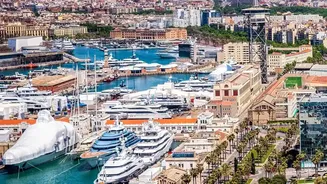
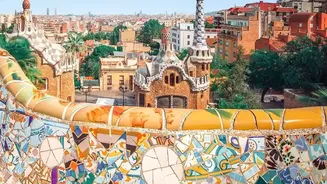
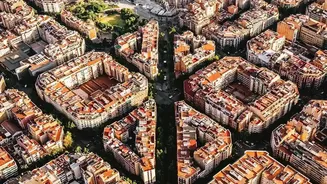
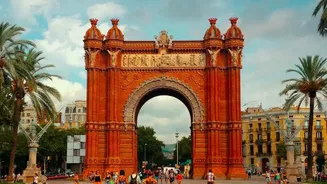
become a leading example of a city grappling with its own success. With visitor numbers reaching around 16 million annually, officials have declared a new approach: 'Not one tourist more'. This isn't about closing the doors, but managing the flow for a more sustainable experience for both residents and visitors. The city is phasing out all 10,000 short-term rental licenses by 2028 and has introduced measures like a higher tax for cruise passengers on short stays to curb the 'hit-and-run' tourism that strains infrastructure with little economic benefit. For travelers, this means iconic areas like the Gothic Quarter, Park Güell, and La Boqueria market can be intensely crowded. To counter this, the city has banned large tour groups from the market during peak hours and is encouraging visitors to explore areas beyond the city center, like the museums and parks of Montjuïc.
Mallorca's Move Toward 'Less is More'
The Balearic Islands, especially Mallorca, have long been a flashpoint for overtourism debates. The strain on housing and the environment has led to resident protests and significant policy changes. In a pioneering move, the government is actively reducing the number of tourist beds, with the cap set to be lowered from 430,000 to 412,000. As of 2026, Palma de Mallorca has also halted new youth hostel construction and banned party boats to shift its image away from mass tourism toward a more cultural and sustainable model. For visitors, the effects of overcrowding are felt most acutely on popular beaches and in towns where the number of tourist accommodations rivals the resident population. The key to a better visit is to travel outside the peak summer months and stay in legally registered properties that contribute to the local tourist tax.
Seville's Seasonal Squeeze
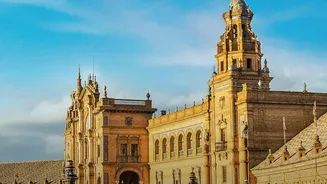
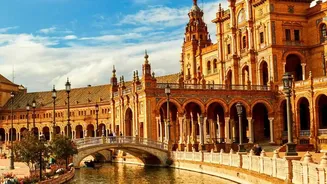
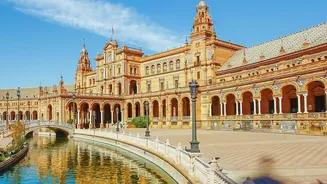
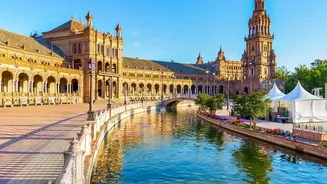
Andalusia's enchanting capital, Seville, experiences tourism in intense waves. The city's world-famous spring festivals, Semana Santa and the Feria de Abril, create massive peaks in visitors, making accommodation scarce and attractions like the Royal Alcázar and Cathedral incredibly busy. While the intense heat of July and August offers a slight dip in tourist numbers compared to spring, the city remains popular. To truly appreciate Seville's charm, strategic planning is essential. A recent study noted Seville as a city where booking in advance can save the most time in queues. Visiting midweek is always less crowded than on weekends. Exploring neighborhoods beyond the main Santa Cruz tourist hub, such as the authentic Triana district across the river or the historic Macarena area, can offer a more local and relaxed experience.
Smarter Strategies for a Better Trip
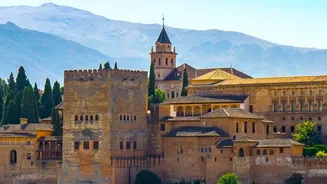
Navigating a popular destination like Spain without feeling overwhelmed is entirely possible with a few key tactics. First, always prebook tickets online for major monuments like Granada's Alhambra or Barcelona's Sagrada Família; this not only saves hours in queues but is often mandatory. Second, consider traveling during the 'shoulder seasons'—spring (avoiding festival weeks) and autumn—when the weather is pleasant and the crowds are thinner. Third, embrace the Spanish timetable. Visiting museums during the traditional siesta hours (roughly 2–4 PM) can often mean fewer crowds, as many locals are dining. Finally, and most importantly, venture off the beaten path. Spain's highspeed train network makes it easy to explore lesserknown but equally stunning cities.
Discovering Spain's Underrated Gems
Instead of focusing solely on the famous headliners, consider adding some of Spain's hidden gems to your itinerary. In the north, the regions of Asturias and Cantabria offer dramatic coastlines, the stunning Picos de Europa mountains, and charming cities like Oviedo and Santander that are far from the mass–tourism circuit. Instead of Barcelona, the smaller city of Girona in Catalonia offers a similar medieval charm with its ancient walls and cobbled lanes but with a fraction of the visitors. In the Basque Country, Vitoria–Gasteiz is often overshadowed by Bilbao and San Sebastián but stands out as a 'Green Capital' with a beautiful, walkable old town and a vibrant food scene. Exploring these alternatives not only provides a more unique and peaceful experience but also helps distribute the economic benefits of tourism more evenly across the country.