





The Monsoon Snacking Dilemma
When the skies open up, there's a natural urge to reach for something comforting and crunchy. For many, this means indulging in popular street foods like pakoras, chaat, and samosas. However, the rainy season presents a unique set of health challenges.
The increased humidity and moisture in the air create a perfect breeding ground for harmful bacteria and other pathogens. Street food, often prepared in open areas, becomes particularly vulnerable to contamination from airborne and waterborne germs. Issues like the use of untreated water, pre-cut vegetables exposed to the elements, and sauces left uncovered can significantly increase the risk of foodborne illnesses such as typhoid, jaundice, and other gastrointestinal infections. Even seemingly harmless items like raw chutneys and pre-cut fruits sold by vendors can pose a threat.
Why Homemade Is a Safer Bet
Turning to your own kitchen is the most effective way to mitigate these risks. When you prepare food at home, you have complete control over the entire process. You choose the ingredients, ensuring they are fresh and washed thoroughly. You manage the hygiene of your cooking environment, from clean utensils to sanitized surfaces. Store-bought dips and sauces, while convenient, often contain preservatives, high levels of sodium, and unhealthy fats to extend their shelf life. Homemade versions are free from these additives and can be tailored to your specific dietary needs and taste preferences. You can lower the salt, control the fat content, and be certain that every component is fresh, which is especially important during the monsoon when food spoils faster.
Classic Hummus with a Healthy Twist
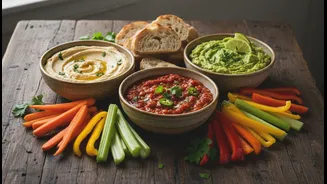
Hummus is a versatile and nutritious dip that is incredibly easy to make. All you need are boiled chickpeas, tahini (sesame paste), garlic, lemon juice, and a splash of olive oil. To begin, blend a can of drained chickpeas with two to three cloves of garlic, the juice of one lemon, and two tablespoons of tahini until smooth. Add a pinch of salt and a tablespoon of olive oil, then blend again. For a creamier texture, you can add a few tablespoons of the water the chickpeas were boiled in. The health benefits are numerous; chickpeas are a great source of protein and fibre. To keep it fresh, store your homemade hummus in an airtight container in the fridge for up to a week. A thin layer of olive oil on top can help prevent it from drying out.
Refreshing Hung Curd and Mint Raita
A cooling curd-based dip is the perfect companion to spicy snacks. A simple raita or a thicker hung curd dip can be prepared in minutes. For a classic cucumber raita, take one cup of natural yogurt and mix in half a grated cucumber (with the excess water squeezed out), finely chopped mint leaves, and a pinch of roasted cumin powder and salt. For a richer dip, use hung curd. Simply tie regular curd in a muslin cloth and hang it for a few hours to drain the excess whey. Then, whisk the thick curd with chopped onions, tomatoes, green chillies, and coriander. Yogurt-based dips are rich in probiotics, which are beneficial for gut health. These should be stored in a sealed container in the refrigerator and consumed within five to seven days.
Tangy Coriander and Mint Chutney
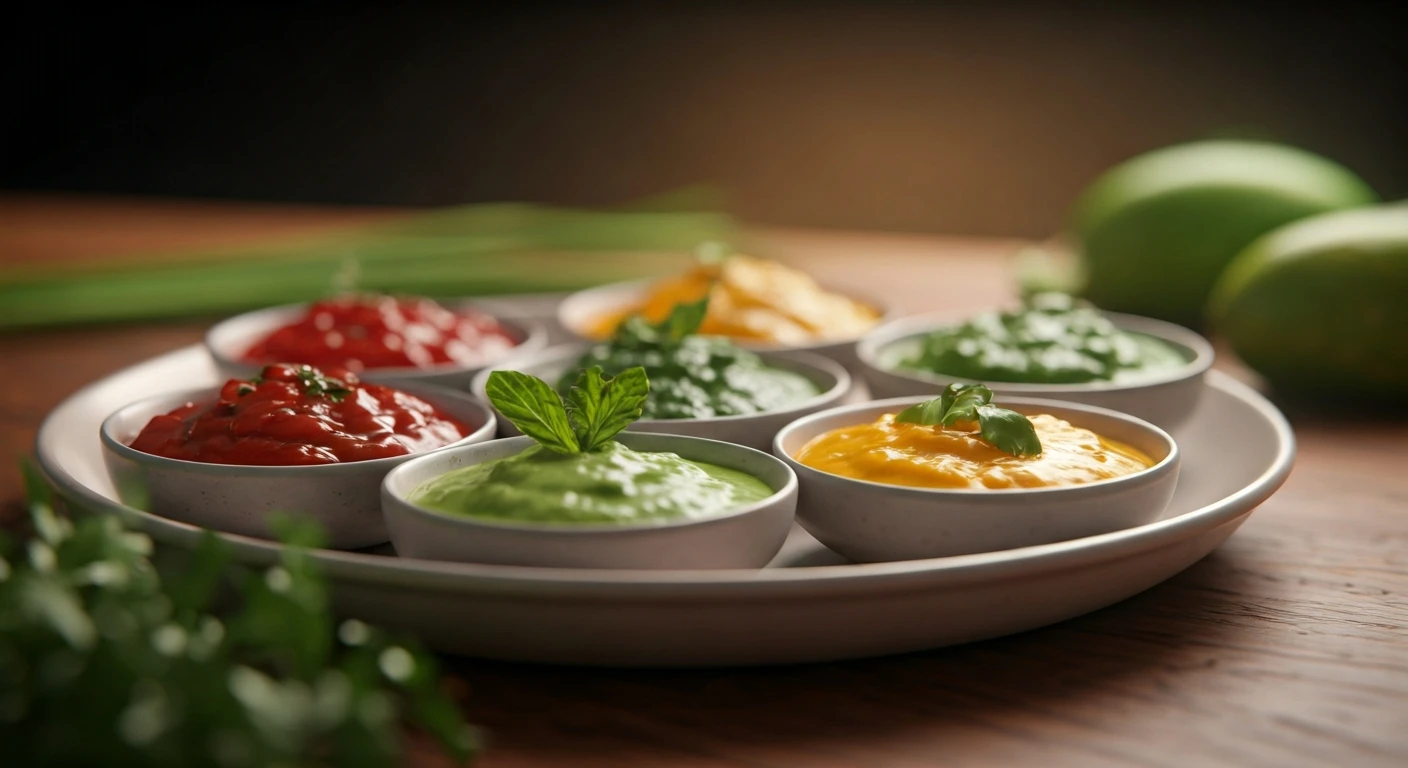
No Indian snack platter is complete without the vibrant green chutney. Far superior to its store-bought counterparts, the homemade version bursts with fresh flavour. In a blender, combine a large bunch of fresh coriander, half a bunch of mint leaves, one or two green chillies, a small piece of ginger, the juice of half a lemon, and salt to taste. A splash of cold water or an ice cube while blending will help it retain its bright green colour. This chutney is not only delicious but also packed with the benefits of fresh herbs. To make it last longer, you can freeze it in an ice cube tray and use the cubes as needed. In the refrigerator, it stays fresh in an airtight jar for about a week.