




Beyond the Global Cafe Template
For years, the Indian cafe experience was largely a borrowed concept. Modelled on Western coffee shops, menus offered a globalised comfort palette that was reliable but often generic. Millennials embraced this culture, normalising cafes as everyday spaces
for work and leisure. But the generation after them, Gen Z, is asking for more. Having grown up with unprecedented global exposure and digital fluency, their tastes are simultaneously more expansive and more introspective. They are pushing back against the uniform, one-size-fits-all menu and seeking flavours that tell a story—a story of who they are and where they come from.
A Hunger for Authenticity and Identity
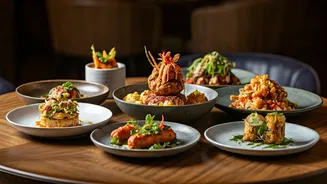
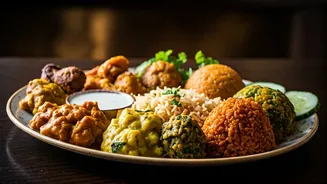
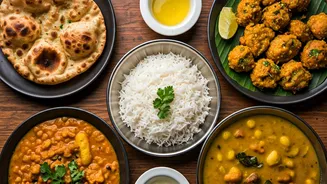
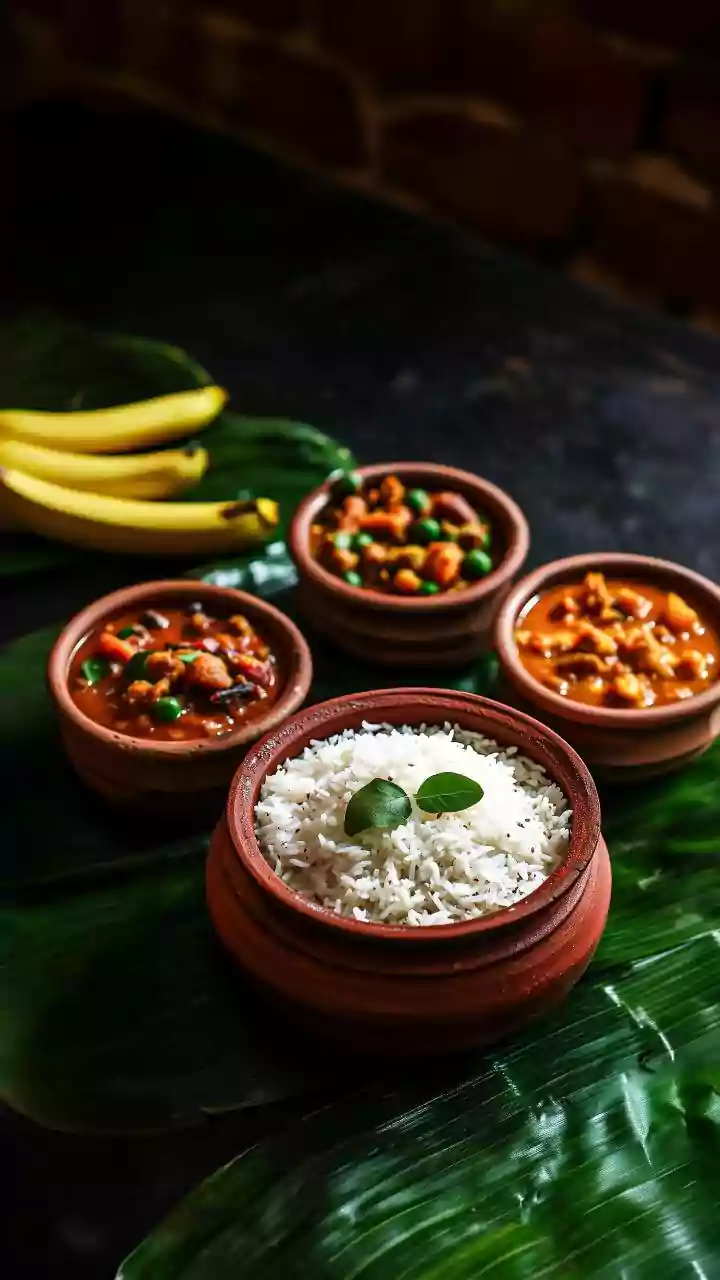
This culinary shift is about more than just food; it’s about identity. Gen Z is a generation that values authenticity and self-expression. They are increasingly turning to regional Indian cuisines as a way to connect with their heritage. This isn't about rejecting global trends—they are, after all, the generation that helped popularise everything from K-drama-inspired ramen to DIY food raves. Instead, it’s about a confident blending of worlds: applying global techniques to Indian ingredients or reinterpreting traditional dishes in a modern, cafe-friendly format. Chefs and restaurateurs are responding with menus that champion regional specialities, moving beyond the standard North Indian fare to showcase the diverse culinary landscape of the entire country. This trend sees chefs presenting local ingredients and traditional recipes with pride, a move that resonates with diners who are more curious and culturally aware than ever before.
Wellness Meets Wisdom
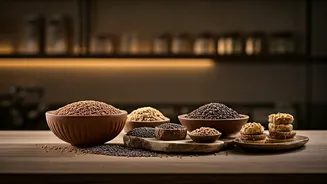
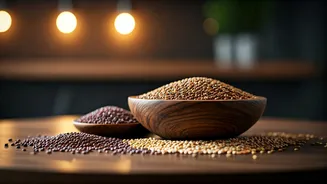
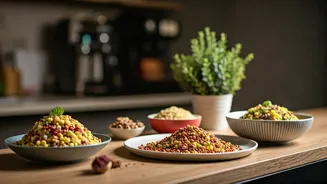
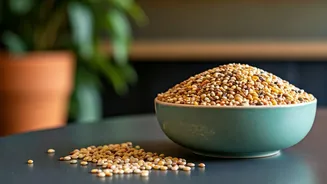
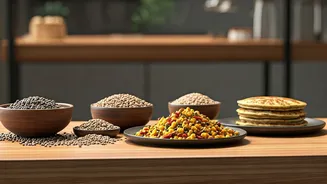
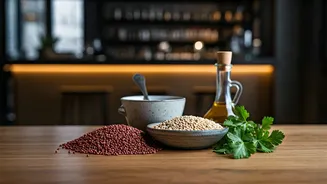
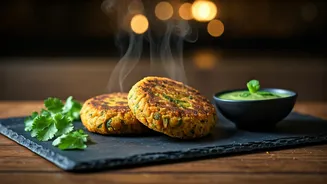
Another powerful driver is the heightened focus on wellness. For Gen Z, this isn't about extreme dieting but about balance, mindful eating, and nutritional value. This has sparked a major revival of indigenous Indian superfoods, especially millets. Long a staple of Indian agriculture, millets like ragi (finger millet), jowar (sorghum), and bajra (pearl millet) are now taking centre stage in urban cafes. These ancient grains are gluten-free, high in protein and fibre, and align perfectly with modern health-conscious sensibilities. Cafes are creatively incorporating them into contemporary dishes: think ragi pancakes, jowar pizza crusts, millet khichdi bowls, and even Bhappa Doi cheesecakes. At places like Café Lota in Delhi, the entire concept is built around celebrating regional Indian food with a healthy, modern twist, offering items like Bajra Chilla and Ragi Vada Pav.
Instagrammable, Sustainable, and Rooted
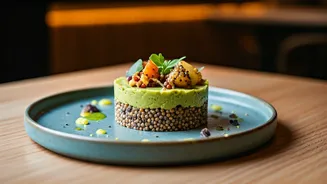
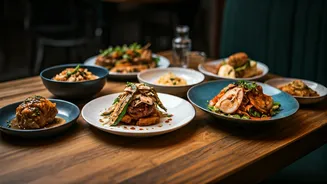
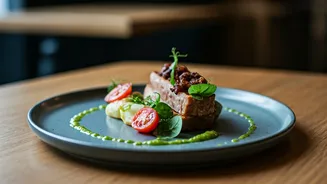
In the age of social media, presentation is paramount, and this new wave of Indian cafe food delivers. The dishes are visually appealing, combining traditional elements with modern plating in a way that is highly 'Instagrammable'. It allows young Indians to showcase their cultural pride in a format that is aspirational and digitally native. A beautifully plated millet bowl or a deconstructed chaat is both a delicious meal and a piece of shareable content. Furthermore, this trend often carries a strong undercurrent of sustainability. Using local, seasonal ingredients and reviving hardy, drought-resistant crops like millets reduces the food's carbon footprint and supports local farming communities. This aligns with Gen Z's growing environmental consciousness, making the choice to eat local a statement of personal values.
The Chefs and Cafes Leading the Way
This movement is being championed by a new generation of Indian chefs who are redefining the nation's cuisine. Figures like Manish Mehrotra of Indian Accent have pioneered 'modern Indian' cuisine, proving that Indian flavours can be both innovative and deeply rooted in tradition. In Mumbai, chefs like Vanika Choudhary of Noon and Varun Totlani of Masque are celebrated for their ingredient-focused approach, sourcing rare produce from across India and foregrounding ancient techniques like fermentation. Cafes and restaurants like Greenr in Delhi and The Bombay Canteen in Mumbai are making millets and regional dishes accessible and exciting for a younger crowd. These establishments are not just restaurants; they are cultural hubs that reflect a newfound confidence in India's culinary heritage.