


The Old Pantry Gets a New Look
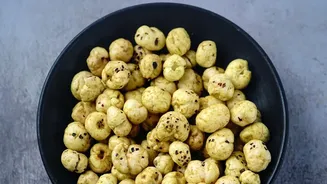
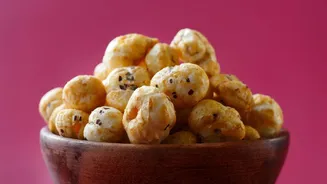
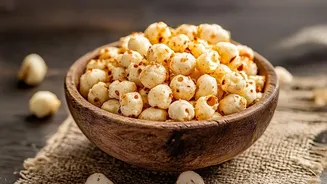
Walk through any supermarket today, and you'll see it: packets of peri-peri flavoured makhana, ragi puffs, jowar crisps, and energy bars made with dates and nuts. What was once considered simple, traditional fare—or even fasting food—is now packaged in vibrant,
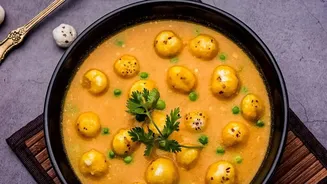
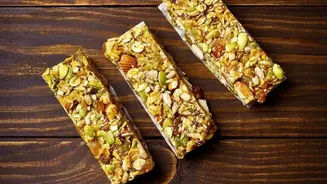
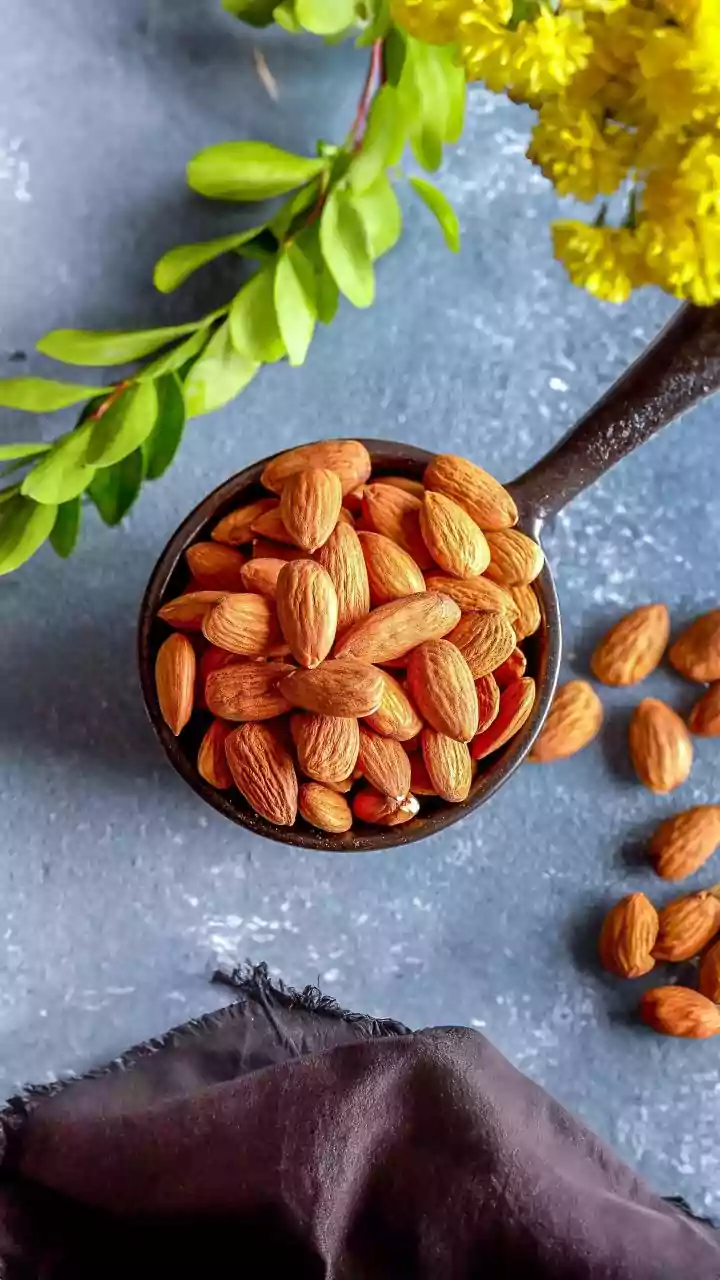
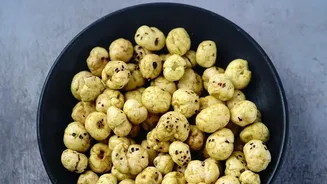
convenient formats. Makhana (fox nuts), once roasted at home with a pinch of salt, is now a supermarket superstar available in a dozen different flavours, from pudina to cheese. Similarly, nuts and seeds are no longer just for festive sweets; they form the base of popular protein bars and healthy mixes. This shift reflects a significant change in how Indians are snacking, moving away from fried options towards baked, roasted, and nutrient-dense alternatives.
Driven by Health, Heritage, and Haste
So, what's behind this trend? A major driver is a growing consciousness around health and wellness. A recent consumer study found that 72% of Indians consider health a primary factor when choosing snacks, seeking functional benefits like energy and protein. Consumers are increasingly reading labels and demanding natural, preservative-free ingredients. This 'clean label' movement has created a perfect market for traditional ingredients, which are perceived as inherently wholesome. Furthermore, for many urban millennials and Gen Z consumers, these snacks offer a connection to their heritage in a form that fits their busy, on-the-go lifestyles. It’s the comfort of tradition combined with the convenience of modernity.
Startups are Leading the Charge
This transformation isn't just happening by chance; it's being fuelled by a wave of innovative food startups. Direct-to-consumer (D2C) brands have been particularly quick to spot this opportunity, using sophisticated branding and digital marketing to reach health-aware urban audiences. Companies are reinventing everything from regional specialties to ancient grains, making them appealing to a new generation. They are challenging legacy snack giants by offering products that promise both authentic flavour and modern nutritional benefits. This influx of new players has made the Indian healthy snack market, projected to be a significant opportunity by 2030, one of the most dynamic in the food sector.
Beyond Makhana: The Millet Revolution
While makhana has become the poster child for this trend, it's far from the only ingredient getting a makeover. Millets like ragi (finger millet), jowar (sorghum), and bajra (pearl millet) are experiencing a major comeback. Once considered humble grains, they are now celebrated for being gluten-free, high in fibre, and rich in minerals. This has led to a surge in millet-based products, including breakfast cereals, dosa mixes, crackers, and chips. The Indian government's promotion of millets has further boosted consumer awareness, positioning them as 'supergrains' that are both healthy and sustainable.
What Makes These Snacks 'Modern'?
The modernisation of these traditional ingredients is about more than just their nutritional profile. It's about the entire experience. First, there's flavour innovation. Brands are moving beyond simple salt and pepper to introduce contemporary seasonings like peri-peri, mint, and cheese to appeal to a younger palate. Second is packaging. Resealable pouches and single-serve portions cater to the need for convenience and on-the-go consumption. Finally, branding plays a crucial role. These products are presented not as old-fashioned commodities, but as premium lifestyle choices that align with the values of today's consumer: health, transparency, and authenticity.