






Beyond Just Quenching Thirst
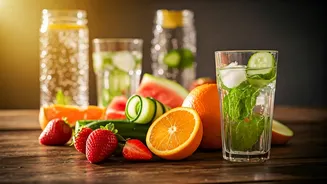
Welcome to the era of 'functional hydration'. The term refers to beverages designed not only to hydrate but also to deliver additional health benefits. Think of it as water with a purpose. Instead of plain water or sugary sodas, consumers are increasingly
drawn to drinks infused with vitamins, minerals, electrolytes, antioxidants, or even adaptogens and nootropics. These beverages promise everything from an immunity boost and improved gut health to enhanced focus and post-workout recovery. The basic premise is simple: if you are going to drink something anyway, why not make it work harder for your body?
The Post-Pandemic Thirst for Wellness
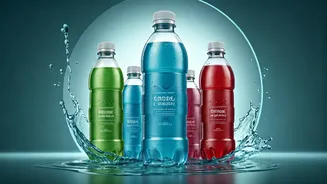
This shift isn't happening in a vacuum. The global pandemic sharpened our collective focus on health and immunity, making us more proactive about wellness. Consumers are now more educated and discerning, actively seeking out products that support their health goals. This heightened awareness has created fertile ground for functional beverages to flourish. Brands, both new-age startups and established giants, have been quick to respond. Supermarket aisles and online delivery apps are now brimming with options, from black alkaline water endorsed by celebrities to vitamin-infused sparkling drinks and electrolyte powders in a rainbow of flavours. The trend is also fuelled by a desire for clean labels—many of these drinks are marketed as low-sugar, zero-calorie, and free from artificial additives, appealing to the health-conscious millennial and Gen Z.
From Nimbu Paani to Nootropics
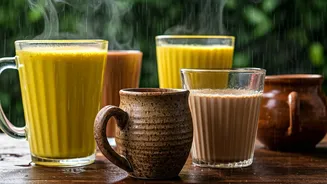
While the concept might seem modern, the idea of enhancing drinks with beneficial ingredients is deeply rooted in Indian culture. For generations, we’ve been drinking nimbu paani with a pinch of salt to replenish electrolytes, sipping on turmeric-infused milk for immunity, and cooling down with aam panna, rich in vitamins A and C. The new wave of functional hydration is simply a modern, commercially packaged evolution of this age-old wisdom. The difference lies in the formulation and marketing. Today’s drinks incorporate globally trending ingredients like zinc for immunity, L-theanine for focus, or ashwagandha (an Indian adaptogen now popular worldwide) for stress relief, presenting them in convenient, ready-to-drink formats.
Decoding the Label: What's Inside?
Navigating the world of functional drinks can feel overwhelming. Here’s a quick guide to the most common 'functional' ingredients. Electrolytes (like sodium, potassium, and magnesium) are minerals that help maintain proper fluid balance and are especially useful during intense heat or exercise. Vitamins (B and C are common) are added to support energy metabolism and immune function. Antioxidants help fight cellular damage. Nootropics, like caffeine and L-theanine, are substances claimed to enhance cognitive function, while adaptogens, like ashwagandha and holy basil (tulsi), are believed to help the body manage stress. The key is to look at the quantity and quality of these ingredients to see if they offer a genuine benefit.
A Nutritionist's Perspective: Hype vs. Health
So, are these drinks a magic bullet for health? Experts advise cautious optimism. While many functional beverages can be a good way to supplement your intake of certain nutrients and stay hydrated, they are not a substitute for a balanced diet. A well-formulated electrolyte drink can be excellent for rehydration, especially in India’s draining summers. However, some products may contain negligible amounts of the advertised 'functional' ingredients, making them more of a marketing gimmick than a health product. The advice from most nutritionists is to read the label carefully. Pay attention to sugar content, the types of ingredients used, and their dosages. For most people, plain water remains the gold standard for hydration, but a functional beverage can be a useful, and often tastier, addition to a healthy lifestyle.