


A Trend You Can Bite Into
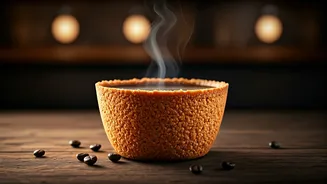
First, there were ceramic mugs. Then came the ubiquitous paper cup, followed by the reusable tumbler. Now, the next evolution in coffee consumption is here, and it's delightfully edible. The concept is simple yet brilliant: a coffee cup crafted from food
materials like biscuit, cookie dough, or wafer, designed to hold your hot beverage long enough for you to drink it, and then serve as a tasty snack. It’s an idea that marries novelty with utility, turning a disposable item into a delightful treat. This isn't just about a quirky new product; it’s a re-imagination of a daily ritual, adding a moment of unexpected joy and a delicious crunch to your coffee break. Think of it as the ultimate coffee and biscuit pairing, but with the biscuit serving as the vessel itself.
The Science Behind the Snack
The first question on everyone's mind is a practical one: How does a cookie cup not turn into a soggy mess the moment you pour in a hot latte? The magic lies in a combination of clever food engineering and baking techniques. Most edible cups are made from a dense, sturdy biscuit or wafer that has been baked to be highly resistant to heat and liquid. The real secret weapon, however, is often an inner lining. This is typically a special, heat-resistant sugar icing or a thin layer of a unique chocolate compound. This layer acts as a waterproof barrier, preventing the coffee from seeping into the cup's structure. This barrier is designed to hold up for a decent amount of time—usually around 30 to 40 minutes—giving you plenty of time to savour your drink before the cup starts to soften. The result is a feat of culinary engineering that remains crisp just long enough.
More Than a Gimmick: The Taste Test
While the novelty is what draws you in, the taste is what will make you a convert. These cups are designed to complement the coffee experience, not overpower it. Brands like Lavazza pioneered a version made from a shortbread-like cookie, and other innovators have used everything from plain wafers to oat-and-grain-based recipes. As you drink, the cup subtly infuses the coffee with a hint of its flavour—a touch of sweetness from a cookie cup or a neutral, toasty note from a wafer. The best part is the finale. Once the coffee is gone, you’re left with a beverage-infused biscuit. The bottom of the cup, which has soaked up the last dregs of your espresso or cappuccino, becomes a particularly delicious, flavour-packed bite. It transforms the end of your coffee from a moment of finality into a satisfying dessert.
The Sustainable Sip
Beyond the fun and flavour, edible cups tap into a powerful global movement: the push for sustainability. Every year, billions of single-use coffee cups end up in landfills. While many appear to be paper, their plastic lining makes them incredibly difficult to recycle. Edible cups offer a 'zero-waste' alternative. By eating your cup, you eliminate waste entirely. It’s a compelling environmental pitch that has resonated with consumers and cafes looking to reduce their carbon footprint. While it's not a perfect solution—they often cost more to produce and some may still come with a non-edible lid—they represent a creative step in the right direction. It’s a solution that tackles the problem of waste not by asking people to give something up, but by offering them something extra: a delicious treat.
Where to Find This Delicious Trend
The edible cup trend has been brewing in Europe and North America for a few years, with airlines like Air New Zealand and major coffee chains experimenting with them. While they haven't yet become a standard offering in most Indian cafes, the buzz is growing. Given the vibrant and innovative cafe culture in cities like Mumbai, Bengaluru, and Delhi, it’s only a matter of time before they start appearing on menus. Some artisanal bakeries and high-end coffee shops are already exploring local versions. For now, they remain a global curiosity to watch out for. As the demand for sustainable and 'Instagrammable' food experiences grows, expect to see these crunchy, convenient, and eco-friendly cups making their way to a coffee shop near you very soon.