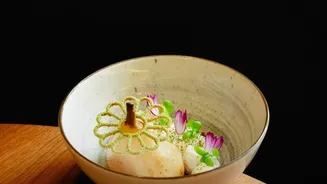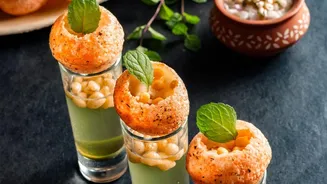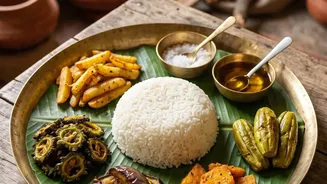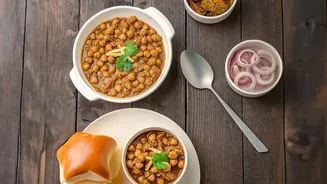

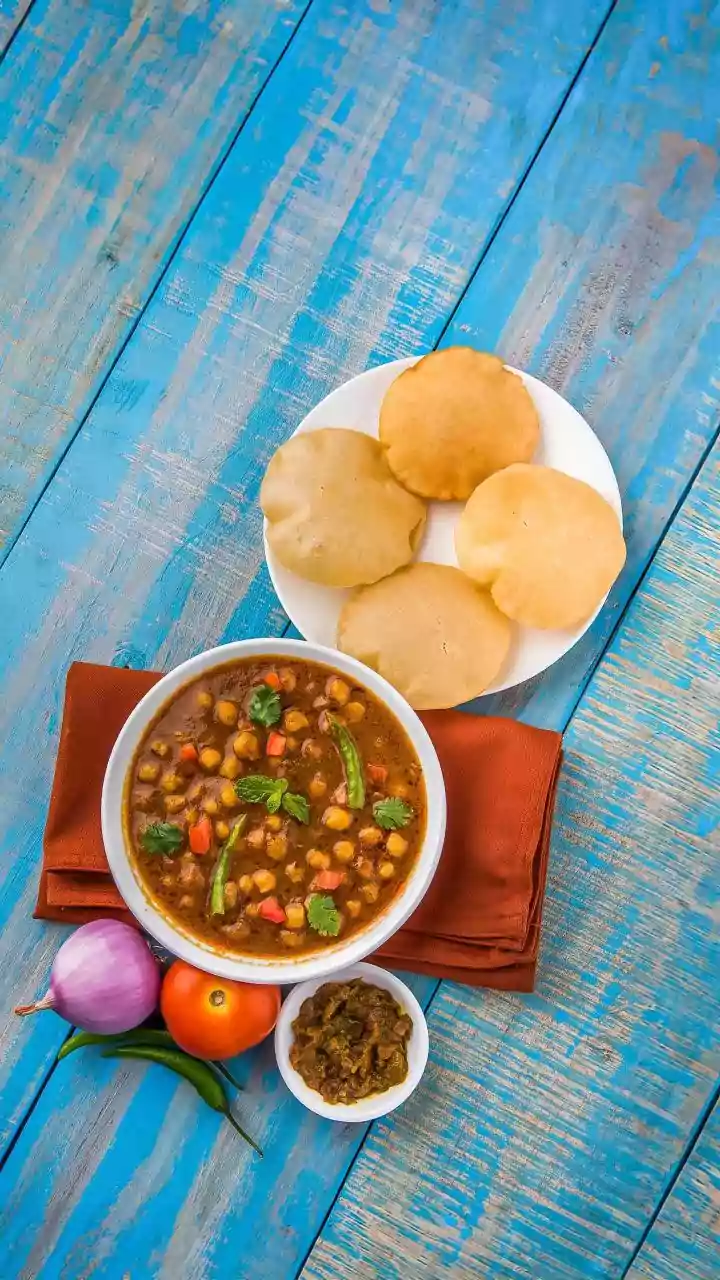
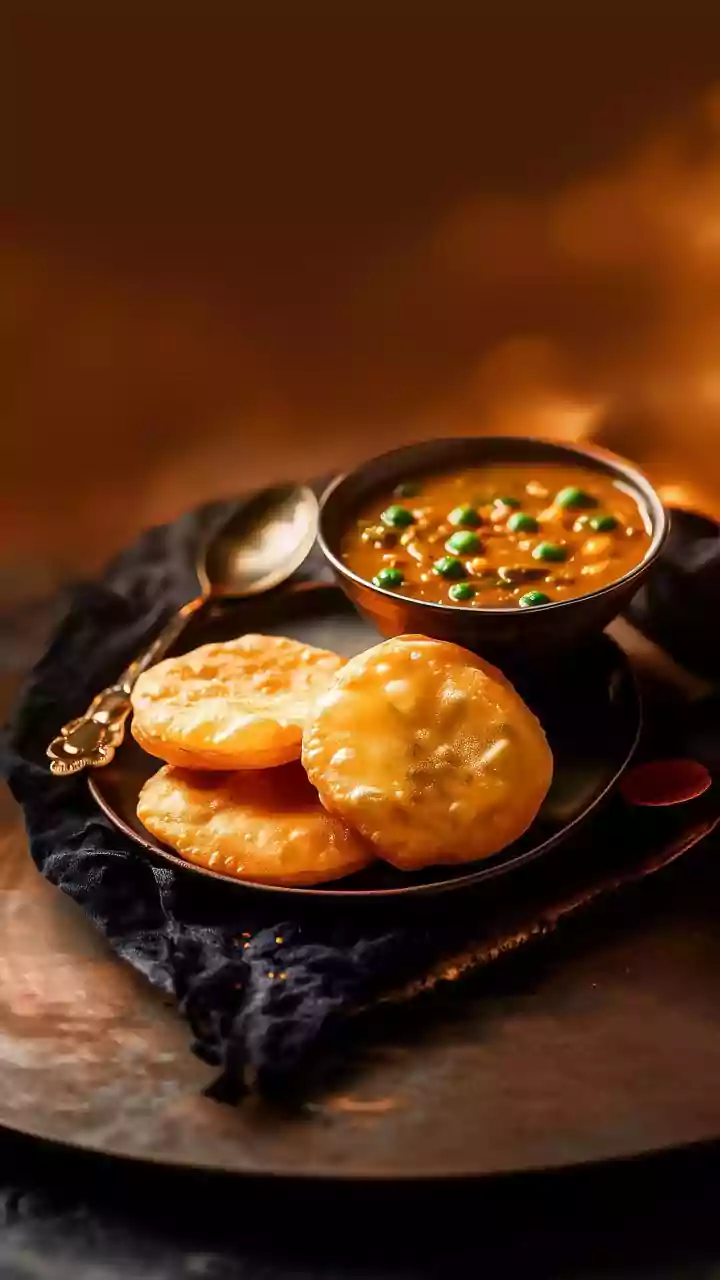

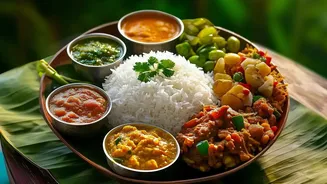
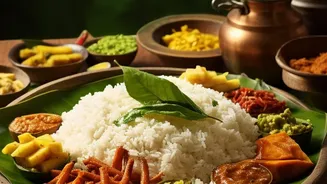
That comforting bowl of dal your grandmother made? It’s still sacred. But on a Saturday night in Mumbai or Delhi, it might arrive as a delicate foam or a crisp wafer. A culinary shift is underway as chefs rethink India’s classic regional dishes.
A New Culinary Confidence
For years,
'Indian food' in a fine-dining context often meant a predictable menu of North Indian staples. But that’s rapidly changing. A new wave of chefs is moving past the classics like butter chicken and biryani to explore the subcontinent's vast, hyper-regional cuisines. This isn't about fusion for the sake of it; it's a confident reinterpretation rooted in deep respect for tradition. The goal is to elevate and innovate, not erase. Chefs are applying global techniques like sous-vide and principles of molecular gastronomy to traditional preparations, creating dishes that are both nostalgic and novel. The result is a cuisine that has stopped feeling the need to explain itself with terms like 'savory flatbread' for a thepla, instead presenting dishes with newfound pride.
The Millennial and Gen Z Palate
This culinary evolution is being driven by a generational shift in taste. Younger urban diners, particularly Millennials and Gen Z, have adventurous palates, shaped by global travel, social media, and a curiosity for authentic experiences. They crave novelty but also seek a connection to their roots, a trend some have dubbed 'newstalgia'. This generation is more likely to prefer multiple small meals to three large ones and is actively seeking healthier, plant-forward options. Chefs are responding with lighter sauces, a focus on ancient grains like millets, and menus that champion vegetables like jackfruit and lotus root in starring roles.
Tradition Reimagined on the Plate
This trend comes to life in the kitchens of India's most innovative restaurants. At Masque in Mumbai, which has an inhouse R&D lab, a familiar masala papad is reimagined using nixtamalized corn. At Indian Accent, which has long been a flagbearer for progressive Indian food, chef Manish Mehrotra turned the humble kulcha into a gourmet item stuffed with chili hoisin duck. In Goa, Hosa reimagines Madurai street food with a 'Kari dosa' featuring bone marrow hollandaise, while in Delhi, Olive Qutub uses smoky, crumbly Bandel cheese in housemade pasta. Even desserts aren't immune to reinvention, with chefs creating everything from a Parle-G cheesecake to a chocolate chilli Basque cheesecake made with Andhra chillies.
Walking the Tightrope of Authenticity
Innovating with beloved recipes is a delicate balancing act. Modern chefs are careful to build upon the foundation of traditional flavours and techniques, ensuring the soul of the dish remains intact. The process often involves a deep dive into history, reviving forgotten techniques and championing hyperlocal ingredients, from Nagaland's smoked pork to Kerala's yam stem curry. This focus on provenance supports agricultural biodiversity and local economies. While some purists may balk at a 'deconstructed' samosa, the broader movement is about celebrating the depth and breadth of India's culinary heritage, which changes every few kilometres. It’s about building layers of flavour through a complex harmony of spices, rather than just heat.