


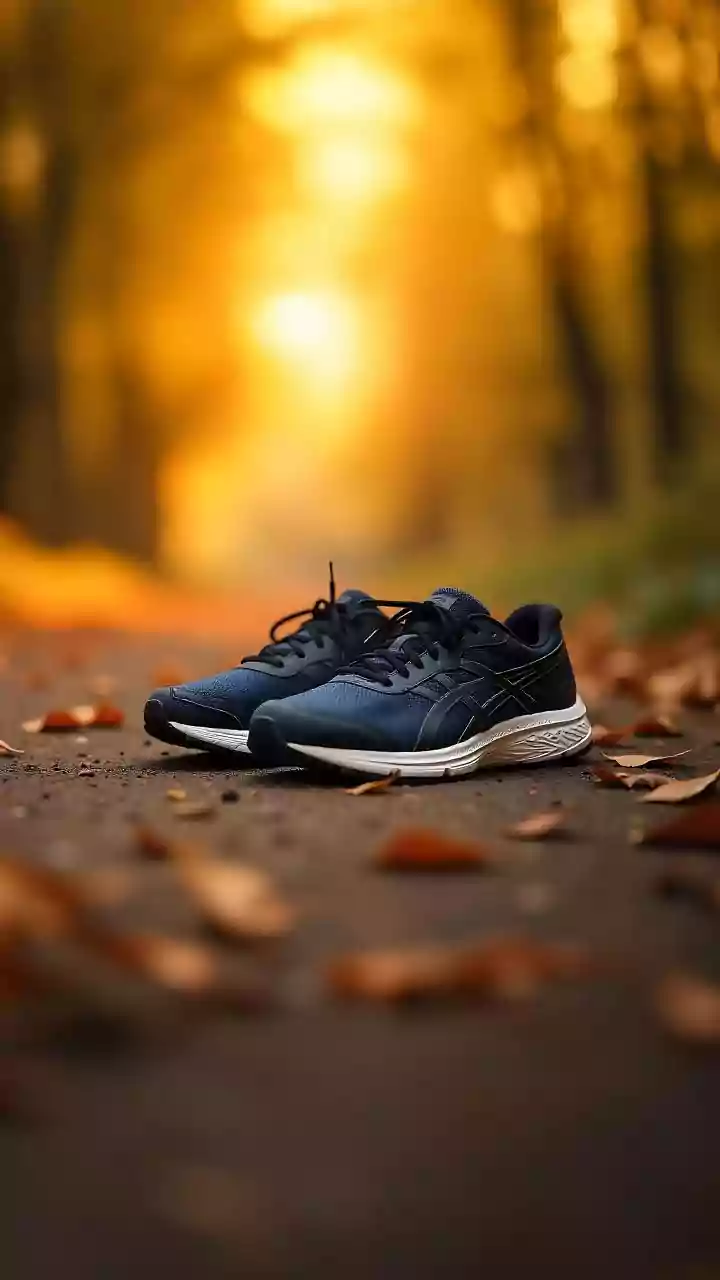




More Than Just a Morning Walk
Not long ago, a morning walk was a solitary ritual. Today, it’s becoming a structured social event. In cities like Mumbai, Delhi, and Bengaluru, walking and running clubs are multiplying, transforming individual routines into shared experiences. These
groups, often organized informally through social media, bring people together for scheduled walks, fostering consistency and motivation. They offer a striking contrast to the high-cost, high-intensity fitness culture that dominated the last decade. Instead of intimidating gym equipment and competitive leaderboards, they provide a simple, accessible entry point into a healthier lifestyle. The appeal is clear: it's fitness that feels less like a chore and more like a community gathering.
The Search for Simplicity and Connection
The move towards walking clubs reflects a deeper trend: a collective pivot away from the 'no pain, no gain' philosophy. Experts note a fracturing of the old, intense gym culture, with a growing preference for functional fitness and lower-impact activities like walking and Pilates. This shift is driven by a desire for sustainability. People are seeking routines they can stick with, and walking is fundamentally simple. There’s no special equipment needed, no complex techniques to master. But more importantly, in an era of digital overload and urban loneliness, these clubs offer genuine human connection. Participants are finding that the social element not only makes the activity more enjoyable but also provides crucial support and accountability.
A Step Towards Holistic Well-being
This trend isn't just about physical health; it's deeply intertwined with mental wellness. The link between physical activity and mental resilience is well-established, but walking clubs add another layer: community. Regular walks, especially in groups, are seen as a powerful antidote to stress and anxiety. They combine the benefits of gentle exercise, fresh air, and social interaction. This holistic approach is particularly resonant with younger generations like Gen Z, who view health as an integrated lifestyle rather than just physical appearance. They are actively seeking experiences that nurture both body and mind, making walking clubs a natural fit for their wellness-oriented worldview.
The Rise of 'Soft Fitness'
The boom in walking clubs is part of a larger movement some call 'soft fitness' or 'cozy cardio'. This approach prioritizes consistency and enjoyment over intensity and exhaustion. It’s about integrating movement into daily life in a way that feels good, not punishing. The focus is shifting from short-term transformations to long-term well-being and longevity. This philosophy directly challenges the high-pressure environment of traditional gyms, offering an inclusive alternative for those who may feel intimidated or uninspired by them. As people increasingly trade gym memberships for park meetups, it signals a redefinition of what it means to be fit in the modern world: flexible, social, and seamlessly woven into the fabric of everyday life.
How to Join the Movement
Finding a walking club is easier than ever. A quick search on social media platforms for your city's name plus 'walking club' or 'running club' will likely yield several options. Many of these groups are free and welcome beginners. Notice boards in local parks and community centres can also be a source of information. If you can't find a group that fits your schedule, consider starting your own. All it takes is a few interested friends and a designated time and place. The strength of this movement lies in its grassroots nature; it’s built by and for the community, one step at a time.