

The shimmering curtains of the aurora are one of nature’s most spectacular sights. But these beautiful lights are also a visible sign of powerful solar activity that can pose a significant threat to our modern, technology-dependent infrastructure.
The Sun's Turbulent Weather
Our
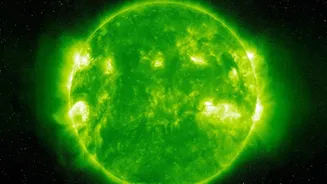
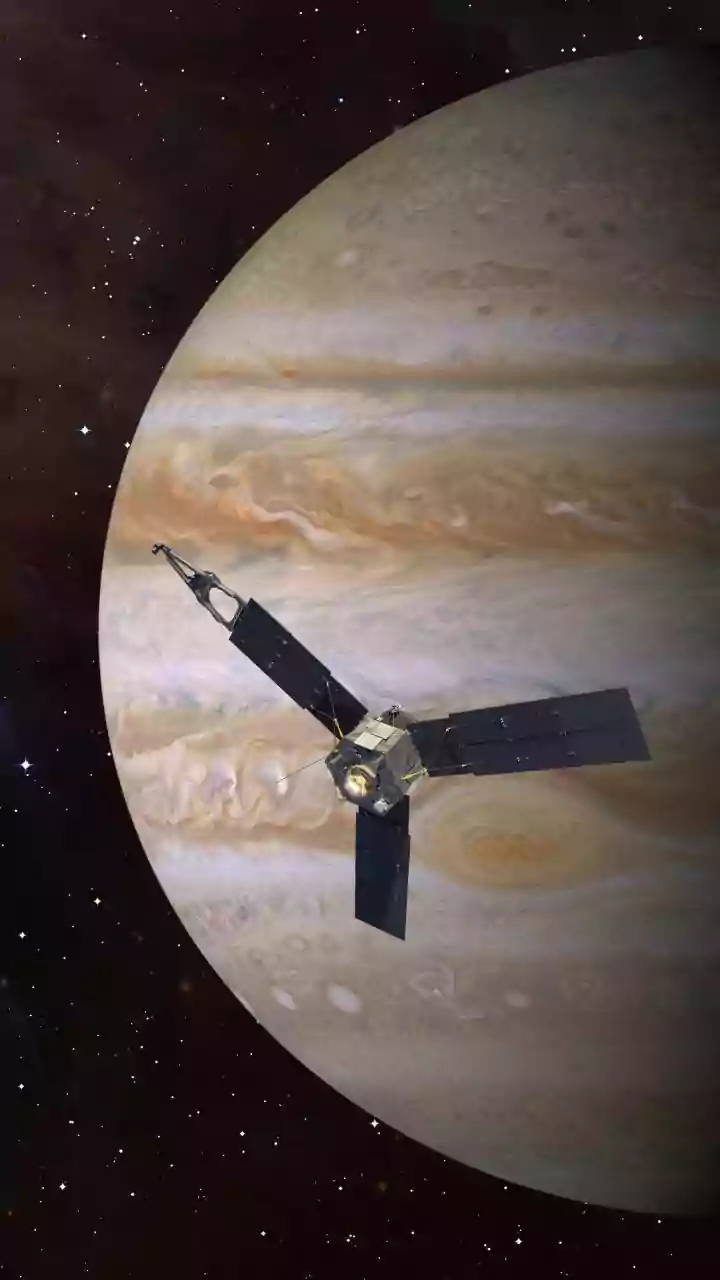
sun is not as quiet as it seems. It's a dynamic star that constantly emits a stream of charged particles known as the solar wind. Periodically, it unleashes much larger bursts of energy and material. These events, called solar flares and coronal mass ejections (CMEs), send massive clouds of plasma hurtling through space at millions of kilometres per hour. This phenomenon is known as solar weather, and when Earth is in the path of one of these eruptions, it can have significant consequences. The sun goes through an approximately 11-year cycle of activity, moving from a quiet minimum to a turbulent maximum, which increases the frequency and intensity of these storms.
A Celestial Light Show with a Warning
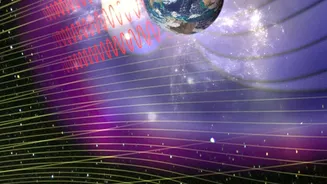
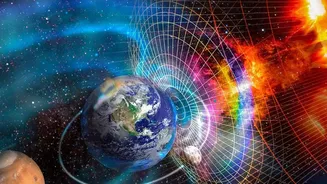
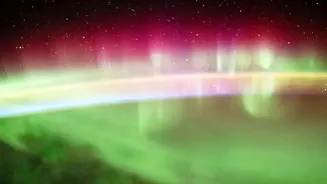
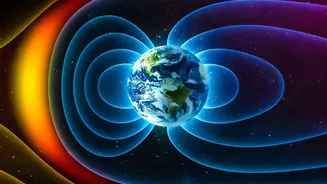
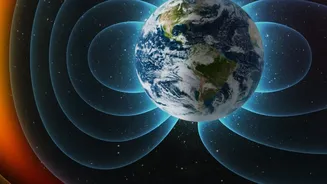
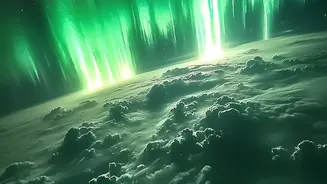
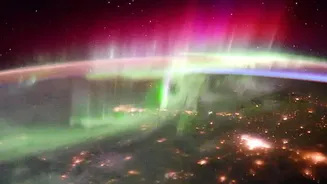
When a CME or a high-speed solar wind stream reaches Earth, it collides with our planet’s magnetosphere, a protective magnetic bubble. This interaction disturbs the magnetic field, channelling energetic particles—mostly electrons and protons—down along the magnetic field lines toward the polar regions. As these particles strike atoms and molecules of oxygen and nitrogen in the upper atmosphere, they transfer energy, causing the atmospheric gases to glow. This is the aurora, or the Northern and Southern Lights. The intensity and visibility of the aurora are directly linked to the severity of the geomagnetic storm. A stronger storm expands the auroral oval, making the lights brighter, more dynamic, and visible at much lower latitudes than usual. In this sense, a spectacular aurora is a visual warning that Earth is experiencing a significant space weather event.
The Invisible Threat to the Grid
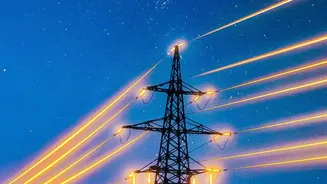
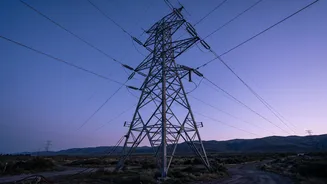
The same geomagnetic disturbances that create auroras also induce powerful electric currents on the ground. This process, known as Faraday's law of induction, is the same principle that makes electric generators work. However, when applied on a planetary scale, it creates something called geomagnetically induced currents (GICs). These are low-frequency, quasi-DC currents that flow through the Earth's surface and seek out long conducting networks, such as power transmission lines and pipelines. Our electrical grids are designed to handle alternating current (AC), not the direct current (DC) of GICs. When these induced currents enter the grid, they can flow into the massive, high-voltage transformers that are the backbone of our power system.
Why Transformers Are at Risk
The influx of GICs can push a transformer's magnetic core into saturation. This leads to several dangerous effects: the transformer can rapidly overheat, causing internal damage; it creates disruptive harmonics that can trip safety systems; and it draws excessive reactive power, which can destabilise the voltage across the entire grid. In a worst-case scenario, this can lead to a cascading failure. On March 13, 1989, a severe geomagnetic storm caused the collapse of the HydrostQuébec power grid in Canada in under 90 seconds, leaving six million people without power for nine hours. The same storm even caused transformers to melt in New Jersey. More recent storms in 2003 caused power outages in Sweden.
Studying the Sky to Protect the Ground
Because the aurora is a direct manifestation of geomagnetic storms, studying it helps scientists understand and forecast the potential impact on our infrastructure. By monitoring the sun with satellites, agencies like NOAA's Space Weather Prediction Center can issue warnings when a significant solar storm is heading toward Earth, often providing anywhere from 15 minutes to a couple of days of lead time. This advance notice is critical. It allows power grid operators to take protective measures, such as reducing load on the system, postponing maintenance, and reconfiguring the grid to minimise the impact. Furthermore, researchers are developing new hardware, like neutral blocking devices, which can be installed on transformers to physically block the flow of harmful GICs. By understanding the link between the lights in the sky and the currents underground, we can better protect the vital infrastructure that powers our daily lives.