







A dream trip to France can quickly turn stressful with long queues or finding your must-see attraction is sold out. But with a little planning, you can ensure a smoother, more cost-effective holiday by mastering the art of the advance reservation.
The New Era of French Tourism
The
days of spontaneous travel are fading, especially in a destination as popular as France. Major tourist sites, particularly in Paris, have increasingly moved towards mandatory or highly recommended online booking systems. This shift, accelerated by a need for better crowd management, means that showing up without a pre-booked time slot can lead to disappointment. The term 'wasted fees' no longer just refers to obscure penalties; it's about the real cost of a ticket you can't use because the site is at capacity, or the inflated prices you might pay to unofficial third-party vendors out of desperation. Planning ahead is now the single best tool for protecting both your wallet and your precious vacation time.
Paris's Must-Book Attractions
For many visitors, Paris is the main event, and its top attractions are where reservation policies are strictest. At the Louvre Museum, booking a timed entry slot online is strongly recommended for all visitors, including those eligible for free admission. During peak periods, such as school holidays, reservations can become mandatory. Similarly, gaining entry to the Palace of Versailles' main building is only guaranteed through online booking. While you can access the gardens without a reservation on most days, you cannot enter the palace itself without a pre-booked time. Even holders of the Paris Museum Pass must secure a free time slot for both the Louvre and Versailles to guarantee entry. This system ensures visitors with a reservation can enter within a designated window, drastically reducing wait times.
Conquering the Eiffel Tower
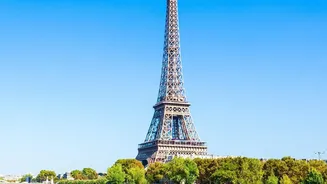
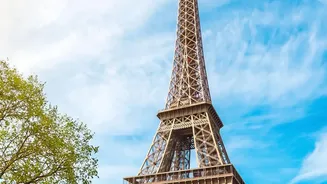
The Eiffel Tower operates on a similar, though slightly different, system. While it's technically possible to buy tickets on-site, the reality is that online tickets, especially for the summit, sell out weeks or even months in advance. Official tickets are released online 60 days in advance, precisely at midnight Paris time, and are quickly snapped up. Waiting to buy in person means risking not only that tickets are sold out but also enduring long queues for both the ticket office and security. So-called 'skip-the-line' tickets from third-party vendors don't bypass security checks and often come at a significant markup. The smartest and most economical approach is to book directly on the official website the moment tickets become available.
Beyond the Capital
This trend isn't confined to Paris. Other iconic sites across France also benefit from advance planning. At Mont-Saint-Michel in Normandy, while access to the village streets is free, entry to the historic Abbey at its peak requires a ticket. Booking this ticket in advance is highly recommended to avoid long queues, especially during the busy summer months. Many other popular attractions, from the Catacombs in Paris to special exhibitions in museums nationwide, also use timed-entry systems to manage visitor flow. Checking the official website of any attraction you plan to visit a few weeks before your trip is a crucial step in modern travel planning.
Booking Smart to Save Money
Avoiding wasted fees is about more than just securing a spot. It's also about paying the right price. Always book directly through the official websites of museums and monuments. These sites offer tickets at face value and are the most reliable source for information. Be wary of unofficial 'mirror' sites or street vendors whose prices can be inflated and whose tickets may not even be valid. For accommodations, be aware of the 'taxe de séjour', or tourist tax, which is paid per person, per night. This is typically handled by your hotel or booking platform, but it's good to be aware that this cost is part of your stay. By booking tickets and tours through official channels, you avoid scams and ensure your money is well spent.