




An Invisible Contaminant
First, what exactly are we talking about? Microplastics are minuscule plastic fragments, typically smaller than 5 millimetres. They come from two main sources. Primary microplastics are manufactured to be small, like the microbeads once common in cosmetics.
Secondary microplastics, which are far more common, form when larger plastic items—like bags, bottles, and packaging—break down over time from exposure to sun, wind, and waves. Due to their tiny size, they easily contaminate our soil, water, and air, eventually finding their way into the food we eat and the water we drink.
The Indian Food Chain Under Scrutiny
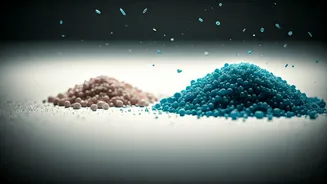
While this is a global issue, recent Indian studies are providing a clearer picture of the situation within the country. Researchers are discovering microplastics in a surprising range of everyday consumables. A study focusing on salts, a universal kitchen staple, found significant contamination. Research published in 2026 analyzing 30 different brands of salt available in India found microplastics in 28 of them. The study detected various types of plastic, including PET (polyethylene terephthalate), commonly used for bottles, and PVC (polyvinyl chloride). The contamination was found in both sea salt and rock salt, indicating a widespread problem. This builds on earlier work by institutions like IIT Bombay, which also found microplastics in commercial table salts.
From Seafood to Everyday Meals
It's not just salt. Given the plastic pollution in our oceans, seafood is a major pathway for microplastic ingestion. Studies along India's coasts have confirmed the presence of microplastics in various fish species. These particles are often found in the digestive tracts of the fish, which can then be transferred to humans. Research from IIT Bombay also expanded the investigation to cooked food, air, and drinking water on its campus, finding that cooked meals were the dominant source of exposure for individuals there. This suggests that contamination can happen at multiple stages, from the raw ingredients to the cooking and storage process, often involving plastic containers and utensils.
Acknowledging the Problem
The growing body of evidence has prompted action from national bodies. Recognizing the issue as an emerging threat, the Food Safety and Standards Authority of India (FSSAI) has launched a project to develop standardized methods for detecting microplastics in food. This initiative, in collaboration with leading research institutes, aims to gather India-specific data on the prevalence of these contaminants across different foods. The goal is to understand the extent of the problem and eventually formulate regulations to protect public health.
The Health Question Mark
The most pressing question is what this means for our health. The science on the direct impact of ingesting microplastics is still evolving, and there is a lack of long-term human studies. However, researchers are concerned about two main risks: the physical presence of the particles and the chemical exposure. In animal and lab-based studies, microplastics have been linked to issues like internal inflammation, digestive blockages, and metabolic changes. Furthermore, plastics can act like magnets for other harmful pollutants in the environment, such as heavy metals and pesticides, and can also contain chemical additives like BPA and phthalates, which are known endocrine disruptors.
What Can You Do?
Completely avoiding microplastics is nearly impossible in today's world, but you can take steps to reduce your exposure. Opt for fresh, unpackaged foods whenever possible and choose glass, steel, or ceramic containers for storing and heating food instead of plastic ones. Avoid heating food in plastic containers, as heat can cause chemicals to leach into your food. Reducing your overall use of single-use plastics, from bags to bottles, also helps tackle the problem at its source. While individual actions matter, the ultimate solution will require larger systemic changes in how we produce, use, and manage plastic waste.