







The Ancient Secret in Your Spice Box
Fenugreek, known as 'methi' in Hindi, is a staple in Indian kitchens, prized for its distinct flavour and aroma. But beyond its culinary uses, these small, amber-coloured seeds have been a cornerstone of Ayurvedic and traditional medicine for centuries.
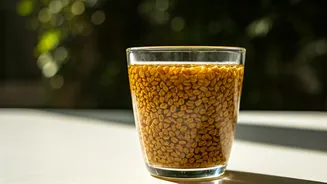
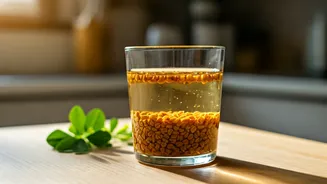
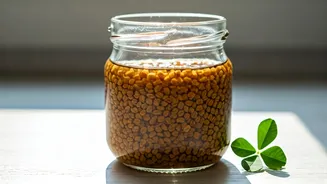
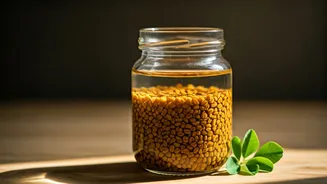
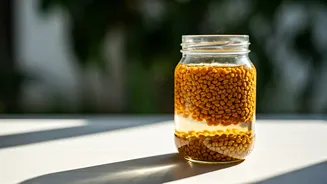
Fenugreek water is simply the infusion created by soaking these seeds in water overnight. The process allows the water to absorb the seeds' soluble fibre and potent plant compounds, creating a simple, nutrient-rich drink that’s believed to offer a host of health benefits, including a potential boost to your daily energy levels.
How Fenugreek Fights Fatigue
The primary reason fenugreek water may help beat midday fatigue isn't by acting as a stimulant like caffeine. Instead, its power lies in its potential to help regulate blood sugar levels. Fenugreek is rich in a soluble fibre called galactomannan, which is thought to slow down the absorption of sugars in the stomach. When you eat a heavy lunch, particularly one rich in carbohydrates, you can experience a rapid spike in blood sugar, followed by a sharp crash. This crash is what often leaves you feeling drained and sleepy in the afternoon. By promoting more stable blood sugar levels, fenugreek water may help prevent this energy dip, leading to more sustained vitality throughout the day. It’s not about a jolt of energy, but rather the prevention of an energy crash.
Your Simple Guide to Preparation
Making fenugreek water is incredibly easy and requires minimal effort. Here’s a simple, step-by-step guide to get you started: 1. **Measure:** Take one to two teaspoons of high-quality fenugreek seeds. 2. **Wash:** Rinse the seeds under running water to remove any dust or impurities. 3. **Soak:** Place the washed seeds in a large glass or jar filled with one cup (about 250ml) of drinking water. 4. **Wait:** Cover the glass and let the seeds soak overnight, or for at least 8 hours. You’ll notice the water turn a pale yellow and the seeds will swell and soften. 5. **Strain and Drink:** In the morning, strain the water into a clean glass. Your fenugreek-infused water is now ready to drink. Some people also choose to lightly chew on the softened seeds for extra fibre, but this is optional.
Beyond the Afternoon Energy Boost
While tackling fatigue is a major draw, this humble drink is traditionally associated with a wider range of benefits. Because of its high fibre content, fenugreek water is often used to support digestive health, helping to ease constipation and soothe indigestion. It's also believed to have anti-inflammatory properties. Furthermore, compounds in fenugreek, like saponins, may help with managing cholesterol levels. For those with skin concerns, the antioxidants in the seeds are thought to help flush out toxins, potentially leading to clearer and healthier-looking skin. These benefits make it a holistic addition to a wellness routine, not just a one-trick pony for energy.
Best Practices and What to Expect
For the best results, it's generally recommended to drink fenugreek water on an empty stomach first thing in the morning. This allows your body to absorb its nutrients most effectively without interference from other foods. The taste can be slightly bitter, which might take some getting used to. If you find it too strong, you can start with a smaller quantity of seeds (half a teaspoon) and gradually increase it. You can also add a small squeeze of lemon or a teaspoon of honey to make it more palatable, but be mindful of adding extra sugar. Consistency is key; incorporating this into your daily routine is more likely to yield noticeable benefits than drinking it sporadically.
A Few Words of Caution
While fenugreek water is safe for most people, there are some considerations. Due to its effect on blood sugar, individuals with diabetes or those on blood-sugar-lowering medication should consult their doctor before adding it to their regimen to avoid any adverse interactions. Pregnant women should also avoid fenugreek, as it has been traditionally known to induce contractions. In some individuals, high doses might cause mild digestive upset like gas or bloating. As with any natural remedy, it's wise to start with a small amount to see how your body reacts and listen to its cues.