




The Allure of the Instant 'Add to Cart'
In the digital age, fashion is faster than ever. Social media platforms have become virtual runways, with a constant stream of trends served up through influencer collaborations and targeted ads. Studies show that for Indian consumers, platforms like
Instagram are a primary source for discovering new fashion. This creates a powerful engine for impulse buying. The appeal is rooted in psychology; promotional tactics like flash sales and scarcity alerts (“Only 2 left!”) trigger a fear of missing out, encouraging quick, emotional decisions over rational ones. This behavior is often driven by a desire for pleasure, a way to escape boredom, or the instant gratification that comes with a new purchase, making us more susceptible to buying items we want in the moment but don't necessarily need.
The High Price of a Disconnected Closet
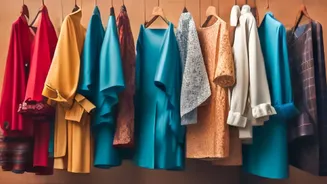
The result of these impulse buys is often a closet full of one-off wonders—a sequined top for a party that never happened, a trendy jacket that matches nothing else you own. These are novelty items, exciting on their own but disconnected from your daily life. This leads to decision fatigue every morning as you sift through clothes that don't work together. Beyond the personal frustration, there is a significant financial and environmental cost. Fast fashion encourages a cycle of buying and discarding, contributing to textile waste. When we buy pieces that don't integrate into our lives, we end up with a collection of garments rather than a functional wardrobe, ultimately getting less value for our money despite the initial low price.
Defining Your True Wardrobe Need
Shifting your mindset from chasing novelty to identifying need is the first step toward building a better wardrobe. A 'wardrobe need' isn't about boring basics; it's about curating a collection of high-quality, versatile pieces that reflect your personal style and fit your actual lifestyle. Start by assessing your daily routine. Do you work from an office or home? What are your weekend activities? What is the climate like where you live? The goal is to own clothes for the life you have, not a fantasy one. This intentional approach, often called a capsule wardrobe, prioritizes quality over quantity and versatility over trendiness. It's about creating a core collection of items that you can mix, match, and rely on, day in and day out.
The Three-Question Litmus Test
To make smarter purchasing decisions, adopt a simple but effective filter. Before you buy any new item, ask yourself three questions. First: Can I style this with at least three other pieces I already own? This ensures the new item integrates into your existing wardrobe instead of becoming another clothing orphan. Second: Does this fit my real-life needs right now? Be honest about whether you'll actually wear it for work, social events, or casual outings in the coming months. Third: Is this made of a quality fabric that will last? Prioritizing breathable, durable materials like cotton, linen, and well-made knits is crucial, especially for the Indian climate. If an item can't pass this test, it's likely a novelty buy that is best left on the shelf.
Building a Wardrobe That Works For You
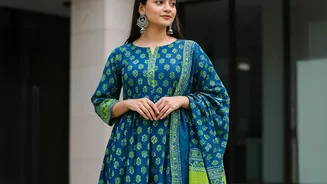
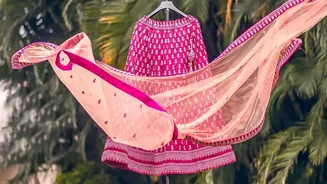
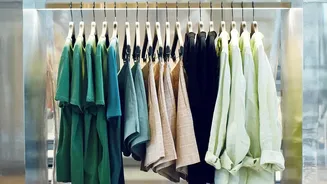
A timeless wardrobe for an Indian context doesn't have to mean just white shirts and blue jeans. It's about investing in versatile staples that are culturally and climatically relevant. Think of a few well-made kurtas in neutral or jewel tones that can be dressed up or down, a classic co-ord set that can be worn together or as separates, and elegant trousers. These pieces serve as the foundation. This doesn't mean you can never buy a trendy item again. Instead, it means you add trends thoughtfully. A statement dupatta or a stylish accessory can update your core pieces without requiring a complete overhaul. The focus shifts to investing in garments that offer longevity, comfort, and a true reflection of your personal style.