




The Allure of the Caucasus
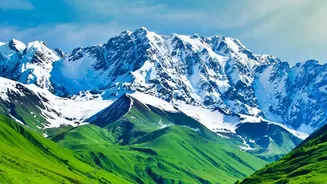
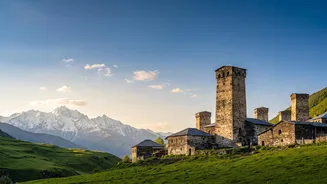
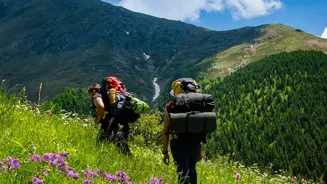
For a generation of young Indians armed with remote jobs and a desire to explore, Georgia has hit a sweet spot. It offers a unique blend of stunning landscapes, from the snow-capped Caucasus Mountains to the shores of the Black Sea, all steeped in ancient
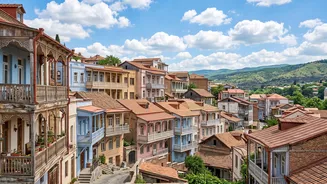
history. Cities like the capital, Tbilisi, are a vibrant mix of historic cobblestone streets, futuristic architecture, and a thriving cafe culture perfect for remote work. Unlike the more conventional European hotspots, Georgia provides a sense of discovery and adventure, attracting travellers who want to tread off the beaten path while enjoying the comforts of a cosmopolitan setting. The country's growing popularity is backed by a significant rise in Indian visitors, who are drawn to its affordability, safety, and welcoming atmosphere.
A Simplified Path to Europe
One of the biggest draws for Indian passport holders is Georgia's refreshingly straightforward visa policy. While there is no visa-on-arrival, the country offers a convenient e-Visa system that makes the application process entirely digital. For a fee of around $20 plus processing charges, applicants can get a multiple-entry visa valid for 120 days, allowing a stay of up to 30 days per entry. The processing time is typically five to seven working days, a stark contrast to the lengthy and often uncertain Schengen visa process. Furthermore, Indians holding a valid visa or residence permit from countries like the US, UK, UAE, or Schengen nations can enter Georgia visa-free for up to 90 days, adding another layer of accessibility.
Affordability Meets Quality of Life
Georgia's most compelling feature is its affordability, especially when compared to the rest of Europe. A digital nomad can live comfortably in Tbilisi for an estimated $800 to $1,400 per month. A one-bedroom apartment in a central, desirable neighbourhood like Vera or Vake can be rented for $400 to $700. Daily expenses are equally budget-friendly. A hearty meal at a local restaurant can cost just a few dollars, and a monthly transport pass is negligible. The internet infrastructure is robust and cheap, with high-speed fibre connections of 50-100 Mbps available for as little as $15-18 per month, a crucial factor for any remote worker. This low cost of living doesn't come at the expense of quality, offering a lifestyle that would be significantly more expensive in Western Europe or even in major Indian metros.
A Growing Hub for Remote Workers
Georgia isn't just cheap; it's actively courting the global remote workforce. Beyond the easy tourist visa, the country offers a special program called 'Remotely from Georgia' for freelancers and entrepreneurs who plan to stay for six months or longer. This has helped cultivate a burgeoning community of digital nomads from around the world, including a growing number of Indians. Coworking spaces like Impact Hub and Terminal in Tbilisi provide not just fast internet but also a calendar of networking events, creating a strong sense of community. This ecosystem makes it easy for newcomers to find their footing, collaborate on projects, and build a social life, transforming a solo journey into a shared experience.
Navigating the Practicalities
While the appeal is strong, there are practical considerations. Since January 2026, travel and health insurance is mandatory for all visitors. The local language is Georgian, and while English is spoken in tourist centres and by the youth, navigating daily life outside these bubbles can present a language barrier. Rents in the most popular nomad neighbourhoods have also seen an increase in recent years due to the influx of foreigners. However, these challenges are minor compared to the immense value and unique experience the country offers. For many young Indian nomads, Georgia represents a perfect launchpad for a life of travel and remote work, proving that a European adventure is well within reach.