


October 6: A Close Shave with Jupiter
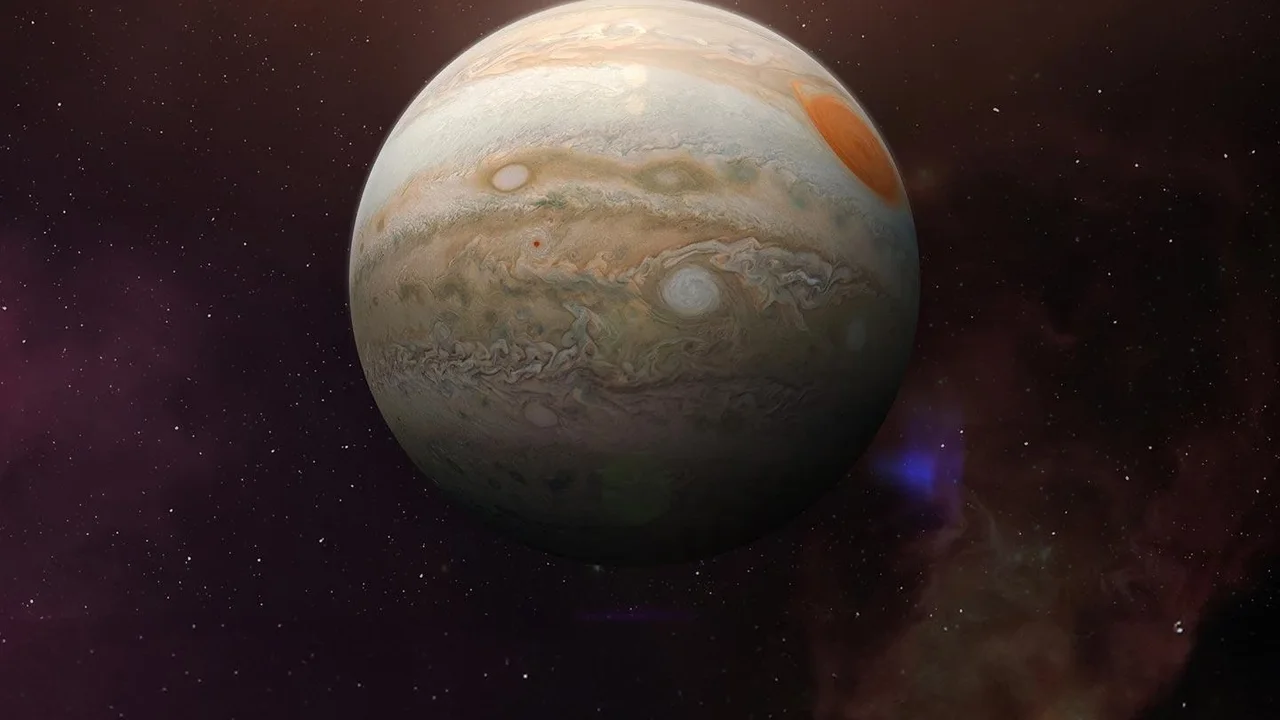
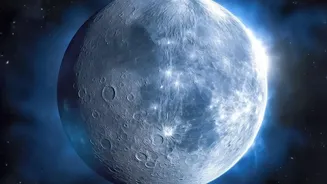
Start the month with a spectacular predawn event on Tuesday, October 6. A beautiful waning crescent Moon will have an incredibly close encounter with Jupiter, the largest planet in our solar system. For viewers in some parts of the world, the Moon will actually
pass in front of Jupiter, an event called a lunar occultation. Even if you're outside the direct path of the occultation, the two celestial bodies will appear strikingly close in the eastern sky before sunrise, making for a fantastic photo opportunity and a breathtaking sight through binoculars. Look for them in the hours before dawn to witness this planetary meet-up.
October 21-22: The Orionid Meteor Shower
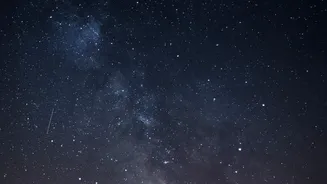
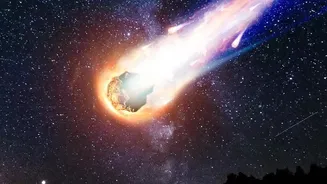
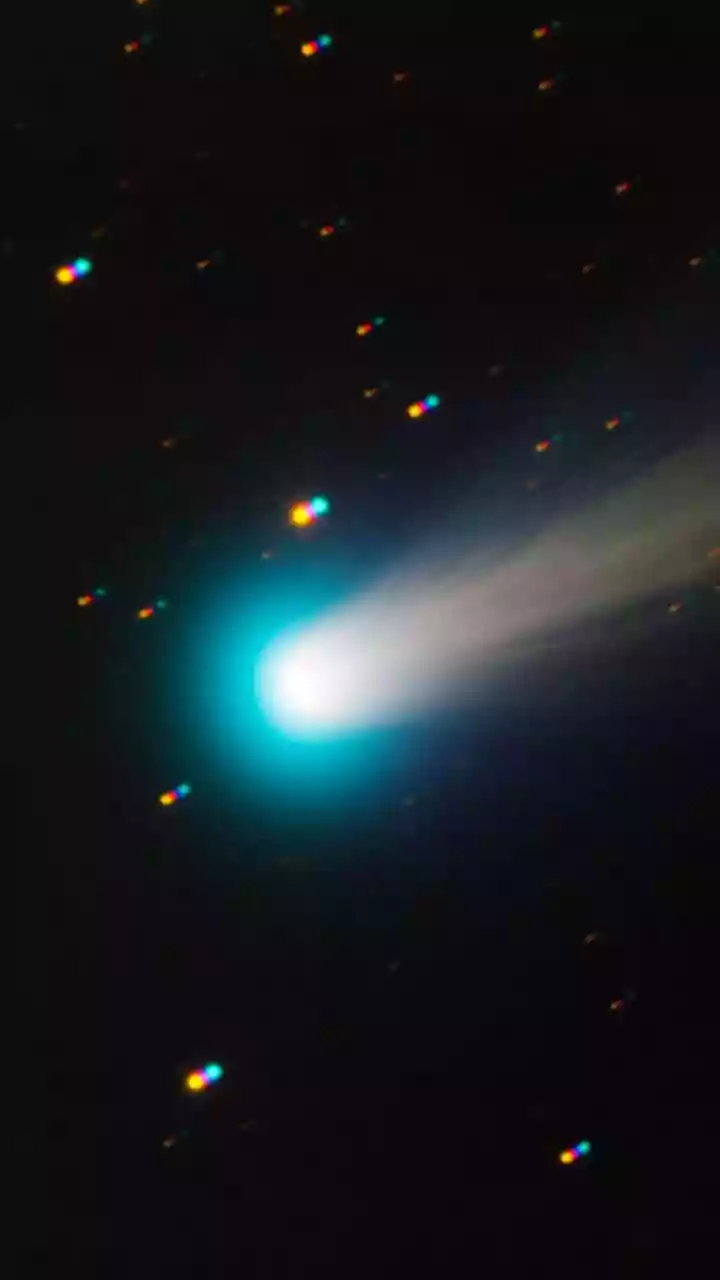
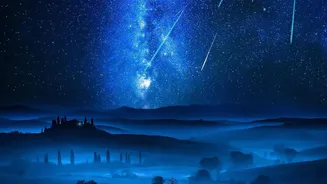
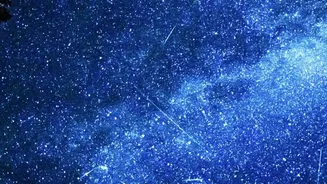
Get ready for some cosmic fireworks as the Orionid meteor shower peaks on the night of October 21 and into the morning of October 22. These meteors are actually tiny, fast-moving pieces of debris left behind by the famous Halley's Comet. At its peak, the shower can produce between 15 and 25 meteors per hour in a dark sky. This year, a bright waxing gibbous Moon will be present for part of the night, which might wash out the fainter meteors. Your best bet for viewing is to find a dark location, away from city lights, and look up in the hours before dawn after the Moon has set. The meteors will appear to radiate from the constellation Orion but can streak across any part of the sky.
October 26: The Hunter's Moon Rises
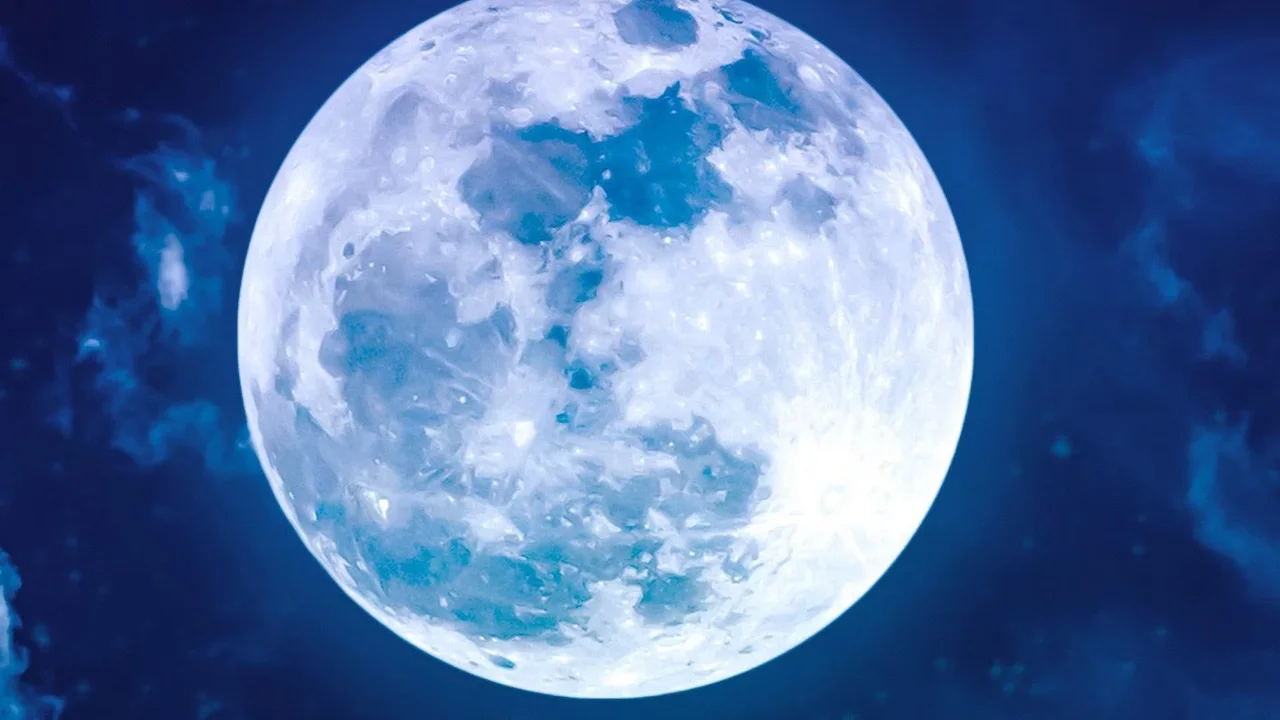
October’s full moon, known as the Hunter's Moon, will reach its peak illumination early on Monday, October 26. Traditionally, this moon gets its name because it lit the way for hunters preparing for the cold months ahead. While the technical peak is just after midnight, the most dramatic view for casual observers will be on the evening of October 25 or 26, right around sunset. As it rises above the eastern horizon, the full moon often appears large and tinted with a beautiful orange or reddish hue. This is due to a combination of atmospheric scattering and the famous 'moon illusion,' which makes it seem bigger when it's near the horizon.
October 27-28: A Visit to the Seven Sisters
Just after it's full, the Moon will drift close to one of the sky's most beautiful star clusters: the Pleiades, also known as the Seven Sisters. On the nights of October 27 and 28, you’ll find the bright Moon passing near this shimmering cluster in the eastern sky. The Pleiades is an open star cluster that looks like a tiny, misty dipper to the naked eye. While the Moon's brightness might make it a little harder to see the cluster's fainter stars, a pair of binoculars will easily reveal dozens of sparkling blue suns. It's a gorgeous pairing that highlights the constant motion of our Moon against the backdrop of distant stars.
Tips for the Best Viewing Experience
You don’t need expensive equipment to enjoy these events; in fact, many are best viewed with just your eyes. A good pair of binoculars can enhance the view of planetary conjunctions and the Moon's surface. The most important factor is finding a dark spot away from city light pollution. Allow your eyes at least 20-30 minutes to fully adjust to the darkness for the best experience, and avoid looking at your bright phone screen. Stargazing apps can help you locate planets and constellations, but be sure to use their red-light mode to preserve your night vision.