







Prepare Your Vehicle Before You Drive
Your car's condition is your first line of defence against wet-weather hazards. Before the rains intensify, conduct a thorough check of three critical components: tyres, wipers, and lights. Tyres are your only connection to the road, and adequate tread
depth is non-negotiable. Worn tyres dramatically increase the risk of skidding and are a primary cause of hydroplaning. Ensure they have at least 2-3mm of tread and are inflated to the correct pressure. Next, inspect your wiper blades, which often degrade in the summer heat. If they leave streaks or make squeaking noises, replace them immediately for clear visibility. Finally, confirm all your lights—headlights, taillights, and indicators—are working perfectly. Clean lenses ensure you can see and be seen in low-visibility conditions.
Mastering the Basics on Wet Surfaces
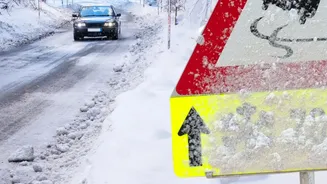
The single most important adjustment when driving on wet roads is to slow down. Your braking distance can be up to three times longer on a wet surface, so reducing speed is crucial. Maintain a greater following distance from the vehicle ahead, extending the standard three-second rule to at least four or five seconds. This buffer gives you more time to react and brake gently. Avoid sudden manoeuvres; all your inputs, from steering and braking to accelerating, should be smooth and deliberate to maintain traction. It's also wise to turn your headlights on, even during a daytime drizzle, to increase your visibility to other drivers. Disengage cruise control, as it can prevent you from making the small, intuitive adjustments needed on a slippery road.
The Hidden Danger of Hydroplaning
Hydroplaning is a terrifying experience where your tyres lose contact with the road and skim across a layer of water, causing a temporary loss of control. It can happen in an instant, but it is preventable. The key is to reduce speed, especially when you see standing water. Properly inflated tyres with good tread help channel water away effectively. If you do feel the car start to hydroplane, your instincts might scream to hit the brakes, but you must resist. Do not slam on the brakes or make sharp turns. Instead, ease your foot off the accelerator and keep the steering wheel straight until you feel the tyres regain their grip on the road.
Special Tactics for Hill and Ghat Roads
Hill routes, or ghat roads, present a unique set of challenges, especially in the rain. The most important rule is to use lower gears. When ascending, a lower gear provides the necessary torque without straining the engine. When descending, it engages engine braking, which helps control your speed without overheating your brakes. Never coast downhill in neutral. A universally accepted rule of thumb on narrow hill roads is to give way to vehicles coming uphill, as they require momentum to climb. Always be patient and never overtake on a blind curve. Honk briefly before sharp, blind turns to alert oncoming traffic of your presence. Be extra vigilant for debris on the road, as rain can cause small rockfalls or landslides.
Navigating Potholes and Poor Visibility
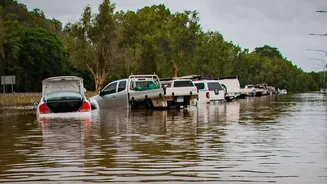
Indian road conditions add another layer of complexity. Puddles can easily hide deep potholes that can damage your tyres or suspension. If you can't avoid a waterlogged patch, proceed with extreme caution. If the water appears to be higher than the centre of your wheels, it's best to find an alternative route. Rainy conditions also reduce visibility from spray thrown up by larger vehicles. Increase your distance when following trucks and buses, and be patient when overtaking. To keep your windscreen from fogging up from the inside, use your car’s air conditioner, which acts as a dehumidifier.