






A Laboratory in the Heavens
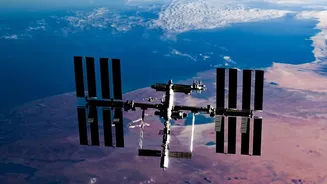
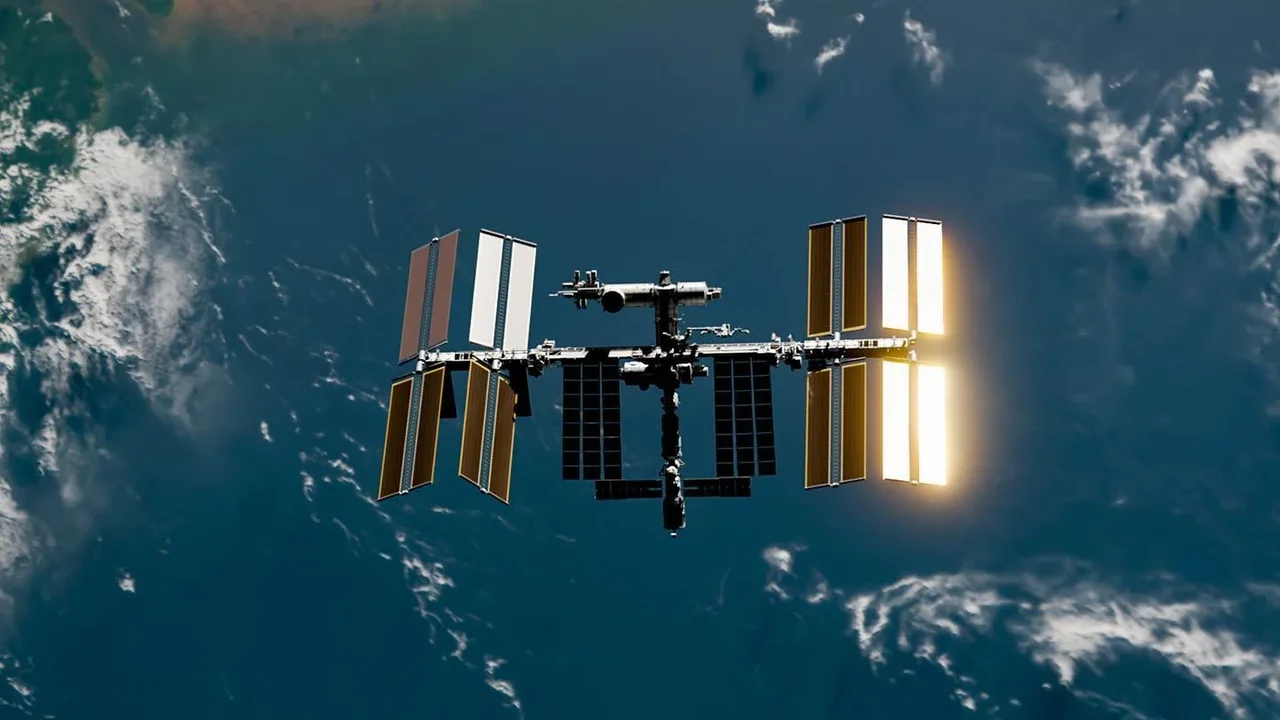
The primary gain from a space station is the unique research environment it provides. The Bharatiya Antariksha Station (BAS), planned to orbit at an altitude of around 400 kilometres, will be a world-class laboratory in microgravity. In this near-weightless
setting, scientists can conduct experiments impossible on Earth. These include developing new medicines and understanding diseases like osteoporosis by studying how bones and muscles react to space. Researchers can also create purer protein crystals for drug development and invent new alloys by mixing materials that would separate under Earth's gravity. The station becomes a test bed for breakthroughs in materials science, fluid physics, and biotechnology that can directly benefit life on the ground.
Driving Technological Progress
Building and operating a space station is one of the most complex technological challenges a nation can undertake. The project will spur innovation across numerous high-tech sectors. ISRO and its industry partners will have to master complex technologies for long-duration life support, radiation shielding, robotics, and orbital docking. These advancements don't stay in space. The need for reliable, miniaturized systems often leads to technological spin-offs that find their way into everything from medical devices to consumer electronics. Developing the station will create a highly skilled workforce and stimulate a domestic ecosystem of advanced manufacturing and engineering, boosting India's overall technological self-reliance.
The Human Factor and Deep Space
India's long-term ambitions include crewed missions to the Moon by 2040. A space station is a crucial stepping stone to achieving this vision. Long-duration missions aboard the BAS will allow ISRO to study the long-term effects of space travel on the human body and mind. Understanding how to counteract muscle atrophy, bone density loss, and the psychological stress of confinement is essential for keeping astronauts healthy on multi-year journeys to Mars or beyond. The station will serve as the ultimate training ground, preparing Indian astronauts for the rigours of deep space exploration and cementing India’s capability to undertake complex interplanetary missions.
Economic and Commercial Frontiers
A national space station acts as an anchor for a burgeoning commercial space economy. The BAS will open up new opportunities for the private sector, from launching commercial research modules to space tourism. It creates a steady demand for launch services, resupply missions, and the development of new space-rated hardware. This can foster a vibrant ecosystem of startups and established companies, creating high-value jobs. Furthermore, the station could eventually offer its facilities to other countries for research or astronaut training on a commercial basis, generating revenue and strengthening diplomatic ties.
Geopolitical Standing and Strategic Autonomy
By establishing its own space station, India will join an exclusive club of nations with a permanent presence in orbit. This holds immense geopolitical significance. The project is a powerful statement of India's scientific prowess and strategic autonomy, enhancing its standing on the world stage. As the International Space Station (ISS) approaches the end of its operational life, the Bharatiya Antariksha Station will ensure India has independent and continuous access to low-Earth orbit. This capability is vital for national security, Earth observation, and asserting India's role as a major player in shaping the future of space governance and exploration in a multipolar world.