






The Hidden Hazard in Plain Sight
For years, stapler pins have been a quick and cheap solution for sealing everything from sweet boxes and bakery products to spice packets and takeaway parcels. Unfortunately, what is convenient for the vendor can become a hazard for the consumer. The
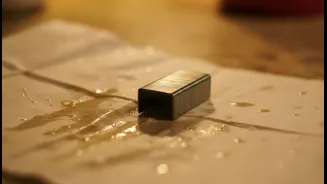
problem is that these small metal pins were never designed for contact with food. They can easily detach from the packaging during transport or while you're opening the container, falling unnoticed into your meal. This introduces a foreign object into the food chain, turning a simple meal into a potential medical emergency.
The Serious Health Risks Involved
Accidentally swallowing a stapler pin is not a minor issue. Medical experts warn that a loose pin can cause a range of injuries. The sharp edges can lead to cuts in the mouth, throat, or food pipe, potentially causing pain and bleeding. It poses a significant choking hazard, especially for children. If ingested, the staple can become lodged in the digestive tract, leading to painful internal lacerations that may require emergency medical intervention. In rare cases, it can enter the windpipe and obstruct breathing, a life-threatening situation. Beyond the physical danger, there is also a risk of chemical contamination. Many staples are made of galvanised iron, which can rust. If a rusty pin contaminates food, it could introduce germs or even lead to infections like tetanus.
FSSAI's Firm Stance on Staples
Recognising these dangers, the Food Safety and Standards Authority of India (FSSAI) has taken a clear stand. Following multiple reports of metallic pins being found inside food packages, the FSSAI has issued directives instructing all Food Business Operators (FBOs) to immediately stop using staples, metal pins, and similar objects for packaging food. This ban applies to a wide range of businesses, including hotels, restaurants, bakeries, and sweet shops. The FSSAI has made it clear that this is not merely a suggestion; non-compliance can result in penalties, including fines and the potential confiscation of a business's license under the Food Safety and Standards Act, 2006.
Where You Might Find Them
Consumer vigilance is key to avoiding this preventable risk. Stapled packaging is most common in the unorganised food sector. You should be particularly cautious when purchasing from: Local bakeries and sweet shops, where boxes are often stapled shut.; Takeaway restaurants that use paper or plastic bags sealed with a pin.; Small grocery or 'kirana' stores that may repackage bulk spices, teas, or snacks into smaller, stapled pouches.; Even decorative elements on cakes can sometimes be held in place with wires or pins, posing a hidden threat.
What You Can Do as a Consumer
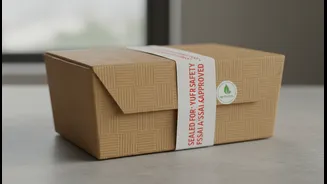
Protecting yourself and your family starts with awareness. Always inspect food packaging before and during opening. If you see staples, remove them carefully and ensure none have fallen into the food. Whenever possible, choose products that use safer sealing methods. The FSSAI recommends alternatives like food-grade adhesive tapes, heat sealing, and tamper-evident seals. These methods provide a secure closure without introducing dangerous foreign objects. If you frequent a local vendor who uses staples, consider having a polite conversation with them about the risks and the FSSAI's guidelines. Many small business owners may not be fully aware of the danger. By raising the issue, you contribute to wider community safety.