
The Tyranny of the Practical
The logic behind using quick-drying fabrics during the Indian monsoon is sound, on the surface. High humidity means anything that holds moisture becomes a potential breeding ground for mildew and musty smells. Polyester, nylon, and other synthetics repel
water, dry fast, and are easy to maintain. This has made them the default choice for curtains, cushions, and throws from June to September. We are told to avoid materials like velvet, heavy wool, and even thick cotton. But this functional approach comes with a hidden sensory cost. A home swathed entirely in synthetics can feel sterile, stuffy, and devoid of the very cosiness we crave when it's pouring outside. These fabrics often trap heat and don't breathe well, leading to a sticky discomfort that rivals the humidity itself.
The Comfort of Natural Fibres
This is where the case for traditionally 'slower' fabrics begins. Materials like linen, khadi, and high-quality cotton possess a secret weapon against humidity: breathability. Unlike synthetics that simply block moisture, natural fibres interact with it. Linen, for instance, is highly hygroscopic; it can absorb up to 20% of its weight in moisture before it even begins to feel damp. This wicking ability draws moisture from the air and away from your skin, helping you feel cooler and more comfortable. These fabrics allow for superior air circulation, which is crucial for preventing the stuffy feeling common in monsoon homes. They are also gentler on the skin and less likely to cause irritation, a significant benefit in a sticky climate.
An Aesthetic Argument
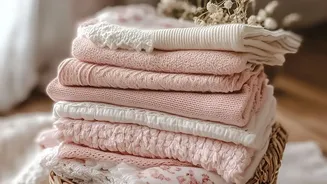
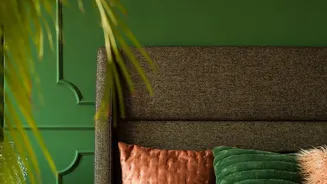
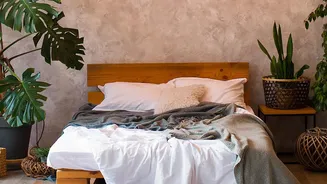
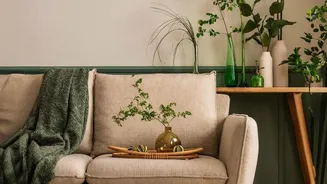
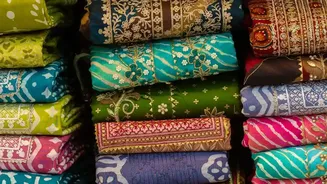
Beyond the functional benefits of breathability, slow-drying fabrics offer an unmatched aesthetic richness. Think of the beautiful, imperfect texture of handloom cotton, the elegant drape of a linen throw, or the deep, comforting pile of cotton-velvet. These materials add visual warmth and character to a room, creating an inviting sanctuary from the grey gloom outside. While synthetics can look flat and lifeless, natural fibres have a depth and tactile quality that feels luxurious and real. They don't just occupy a space; they enhance it, engaging our sense of touch and sight in a way that polyester simply cannot. Embracing these fabrics is a move away from a purely utilitarian mindset towards one that prioritizes sensory experience and emotional comfort.
Making 'Slow' Work for You
Advocating for slow-drying fabrics doesn't mean inviting a damp disaster. The key is strategic implementation and smart care. You don't need to upholster your entire sofa in linen. Start with smaller, manageable items like cushion covers, bed runners, and light throws. Choose blends; a cotton-linen mix, for example, offers the best of both worlds—the feel of linen with a bit more practicality. Crucially, good ventilation is non-negotiable. Ensure adequate airflow by opening windows whenever the rain subsides and using fans to keep air circulating. Wash these items on sunny days or consider investing in a dehumidifier for particularly damp rooms. By being mindful about their care, you can enjoy the beauty of these textiles without the worry.