


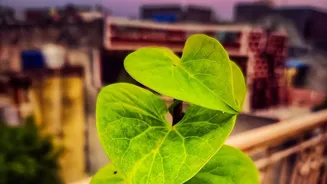

Start With the Right Spot
Before you buy a single seed, observe your space. Most plants, especially vegetables and flowers, need at least five to six hours of sunlight each day. Find a spot on your balcony, terrace, or near a window that gets ample light. It's also wise to choose
a location that's convenient to access for daily watering and care. An out-of-sight garden can easily become an out-of-mind project. Also, try to avoid areas that get very strong winds, as this can damage young, delicate plants.
Choose the Right Soil Mix
Using soil directly from the ground is a common mistake for container gardening. Garden soil becomes hard and compacted in pots, which suffocates roots and prevents proper drainage. A good potting mix is crucial. For most beginners in India, a simple and effective mix is a combination of cocopeat, compost (like vermicompost), and soil. A popular ratio is 40% garden soil, 30% cocopeat, and 30% compost. Cocopeat helps retain moisture while keeping the soil light, and vermicompost provides essential nutrients for your plants to thrive. This mix ensures good drainage, which is vital to prevent root rot.
Pick Beginner-Friendly Plants
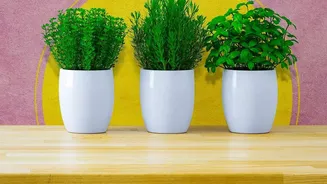
Your success as a new gardener often depends on choosing the right plants. Start with varieties that are known to be resilient and easy to grow in Indian conditions. For a kitchen garden, consider starting with herbs like coriander and mint, or vegetables like tomatoes, chillies, and spinach. These are relatively low-maintenance and provide quick results, which is incredibly motivating. If you're interested in flowers, marigolds are a fantastic choice as they are hardy and grow easily. Choosing seasonal varieties will also increase your chances of success.
Master the Art of Watering
Overwatering is one of the most common ways beginners kill their plants. Instead of watering on a strict schedule, check the soil first. Stick your finger about an inch into the soil; if it feels dry, it's time to water. If it's still moist, wait another day. When you do water, do it thoroughly until you see water draining from the bottom of the pot. This encourages deep root growth. The best time to water is early in the morning or late in the evening to minimise evaporation, especially during hot Indian summers.
Feed Your Plants
The potting mix you start with will feed your plants for the first few weeks, but eventually, you'll need to replenish the nutrients. Organic options like vermicompost are excellent. You can add a handful to the top layer of soil every three to four weeks. This slow-release of nutrients is gentle on the plants and improves soil health. Avoid using strong chemical fertilisers, which can easily burn the roots of young plants if not used correctly. For beginners, sticking to gentle, organic inputs is a safer bet.
Basic Pest Management
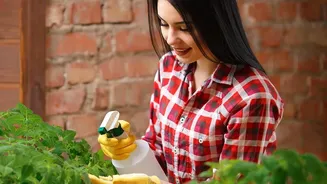
Pests are a part of gardening, but you can often manage them with simple, organic solutions. Regularly check your plants, especially the undersides of leaves, for any signs of trouble. A simple spray of neem oil mixed with water and a little liquid soap can help manage many common pests. For fungal issues, a diluted solution of baking soda can sometimes be effective. Keeping your plants healthy with the right amount of sun, water, and nutrients is the best defence, as strong plants are less susceptible to pests and diseases.