





Harness Technology for Real-Time Alerts
Before you even pack your bags, your smartphone can be your most powerful safety tool. The India Meteorological Department (IMD) is the primary source for weather warnings, including heavy rainfall alerts that can precede landslides. Check their website
or the 'Mausam' app for daily forecasts and warnings for your destination and route. For specific landslide alerts, the Geological Survey of India (GSI) has launched an app called 'Bhooskhalan', which provides colour-coded warnings for several landslide-prone districts. Additionally, the 'SACHET' app by the National Disaster Management Authority (NDMA) provides geo-targeted alerts for various disasters. These resources provide official, real-time information that is far more reliable than generic weather reports.
Scrutinise Your Route and Itinerary
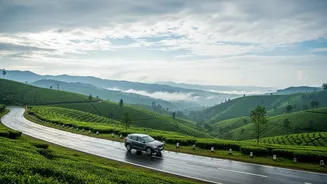
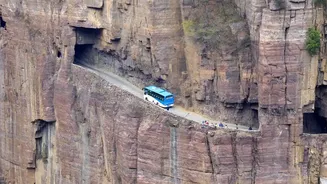
Not all monsoon destinations are created equal. Regions like Himachal Pradesh, Uttarakhand, the Darjeeling-Sikkim belt, and parts of the Western Ghats are notoriously prone to landslides, especially during peak monsoon months of July and August. Research your route thoroughly, avoiding single-lifeline highways if possible, as these can get blocked for days. Plan to travel only during daylight hours; driving on winding, rain-slicked ghat roads after dark is extremely dangerous, as rockfalls and washed-out road edges are harder to spot. Always build buffer days into your itinerary. This flexibility means you won't feel pressured to travel if authorities issue a 'Red' or 'Orange' alert, which should be treated as a stop signal.
Prep Your Vehicle for The Challenge
Your vehicle’s condition is critical for a safe monsoon road trip. Before you leave, conduct a thorough check. Ensure your tyres have sufficient tread to grip wet roads and avoid hydroplaning. Test your brakes, headlights (use low beams in rain), and especially your windscreen wipers. A clean windshield and fresh wiper blades are essential for maintaining visibility in a downpour. Also, confirm your car’s defogger is working correctly to prevent the windscreen from misting up. Avoid using cruise control on wet roads, as it can reduce your reaction time. A well-maintained car is your first line of defence against the challenges of monsoon driving.
Pack an Emergency Go-Bag
While you pack your raincoats and waterproof shoes, also prepare a dedicated emergency kit for your car. This isn't about expecting the worst, but being prepared for delays. Your kit should include a comprehensive first-aid box, a powerful torch, a fully charged power bank, and extra drinking water and non-perishable snacks like protein bars. It's also wise to have a hard copy of emergency contact numbers (local police, district disaster management) and to have offline maps of your route downloaded, as mobile connectivity can be unreliable in remote hilly areas. Keeping a few plastic bags for wet clothes and important documents in a waterproof sleeve is also a smart move.
Develop On-the-Ground Awareness
Once you are on the road, stay highly alert to your surroundings. Be wary of parking your vehicle near steep slopes or in areas marked as 'shooting stone' zones, especially after heavy rain. If you see signs of instability, such as small rockfalls, muddy water flowing down a hillside where it shouldn't be, or trees tilted at unusual angles, do not stop for a closer look—leave the area quickly and safely. If you encounter a waterlogged road, do not attempt to drive through it unless you can be certain of its depth; it may conceal deep potholes or be powerful enough to sweep your vehicle away. If local authorities advise against travel or you feel unsure about a road's condition, it is always better to wait it out in a safe place.