


Why Your Garden Needs a Climate Rethink
Across India, gardeners are grappling with new challenges: scorching summers, erratic monsoons, and sudden dry spells. These extremes can stress even the most loved plants. This is where climate-suitable gardening comes in. It’s not about giving up; it's
about getting smarter. By choosing plants that are naturally adapted to our local conditions, you create a garden that works with the environment, not against it. The result is a healthier, more vibrant space that requires less water, fewer chemicals, and less worry. Think of it as a long-term investment in a beautiful, sustainable, and thriving personal ecosystem right outside your door.
What 'Climate-Suitable' Means in India
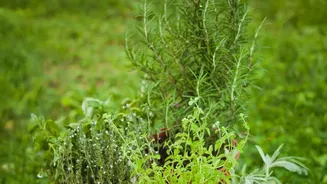
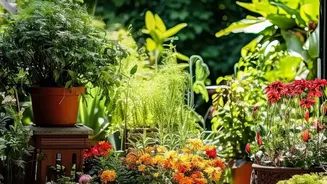
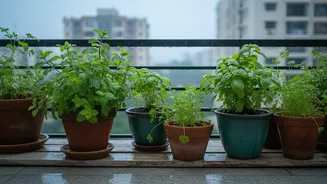
A climate-suitable plant is one that is naturally equipped to handle the local weather rollercoaster. This often means native plants that have evolved over centuries to thrive in your specific region. Key characteristics include drought tolerance, thanks to deep root systems or water-storing leaves, and resilience to heavy monsoon rains. Good examples are all around us. Bougainvillea explodes with colour when water is scarce. Hibiscus and Periwinkle (Sadabahar) bloom profusely through the humid rainy season. Hardy herbs like Tulsi and lemongrass flourish in pots with minimal fuss. These plants are champions of survival, making them perfect partners for the modern Indian garden.
August Planting Guide for the Resilient Gardener
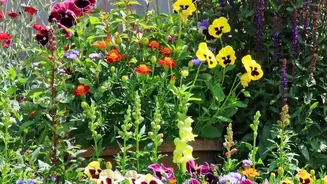
August is a fantastic month for gardening, thanks to the monsoon. The humid, moist conditions are perfect for growth. However, with predictions of erratic rainfall, smart choices are crucial. Focus on plants that can handle both moisture and potential breaks in the rain. For flowers, sow seeds of Marigold, which can be prepared for the festive season, and Balsam. It's also a great time to propagate plants like Hibiscus and Jasmine from cuttings, as the humidity encourages root development. For your kitchen garden, this is an ideal time to plant a second round of monsoon vegetables like okra (bhindi), beans, and various gourds that love the warmth and moisture.
Mastering Monsoon Water and Soil
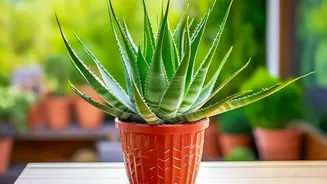
The biggest challenge during the monsoon isn't a lack of water, but an excess of it. Waterlogged soil is the fastest way to kill a plant, as it suffocates the roots. The golden rule for August is to ensure excellent drainage. If you use pots, make sure the drainage holes are clear. Consider using terracotta pots, which help wick away excess moisture. Always check the soil before watering; if the top inch is still moist, hold off. Another pro tip is to use mulch (like dry leaves or wood chips). Mulching protects your soil from being washed away by heavy rain and helps retain moisture evenly during any dry spells that might follow.
Beyond Your Balcony: Supporting Local Ecosystems
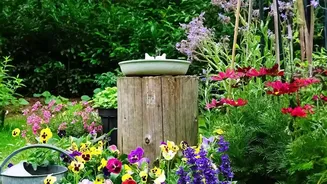
Choosing climate-suitable, native plants has benefits that extend far beyond your own garden. These plants provide essential food and shelter for local wildlife, including bees, butterflies, and birds. A hibiscus or ixora shrub isn't just a pretty flower; it's a food source for pollinators. By planting native species, you are helping to build 'green corridors' in urban areas, allowing biodiversity to thrive even in a concrete jungle. Your garden, no matter how small, becomes a vital part of a larger, interconnected ecosystem. It’s a simple but powerful way to contribute positively to your local environment while enjoying a beautiful, low-maintenance garden.