



The Power in Your Leftovers
Before you toss that banana peel or rinse away coffee grounds, consider their second life. Many kitchen scraps are packed with essential nutrients that plants need to thrive. Nitrogen, phosphorus, and potassium are the primary macronutrients for healthy
plant growth, and they are abundant in common food waste. By repurposing these scraps, you not only reduce the amount of waste heading to a landfill—where it can produce harmful methane gas—but you also create free, organic fertilizer. This cycle is a simple and effective way for apartment dwellers to embrace a more sustainable lifestyle, connecting their kitchen directly to the green life in their home.
Coffee Grounds for a Nitrogen Boost
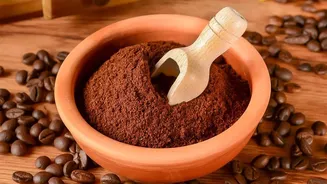
Your morning coffee can do more than just wake you up; it can also invigorate your plants. Used coffee grounds are an excellent source of nitrogen, which is crucial for lush, green leafy growth. They also improve soil structure and water retention. This hack is particularly beneficial for acid-loving plants like ferns and African violets. To use them, simply allow the grounds to dry completely to prevent mould, then sprinkle a thin layer on top of the soil. You can also brew a weak 'coffee tea' by steeping used grounds in water overnight and using the liquid to water your plants. Be mindful to use them sparingly, as too much can make the soil overly acidic for some plants.
Eggshells for a Calcium Kick
Don't discard those eggshells; they are a fantastic source of calcium, which is essential for building strong cell walls in plants. A steady supply of calcium helps prevent common issues like blossom-end rot in fruiting plants and promotes sturdy stems. The best way to use eggshells is to rinse them, let them dry completely, and then crush them into a fine powder. This increases the surface area and helps the calcium break down more quickly in the soil. Mix the powder directly into your potting soil or sprinkle it around the base of plants like succulents and cacti. You can also use the water from boiling eggs (as long as it's unsalted) as a nutrient-rich drink for your plants once it has cooled.
Banana Peel 'Tea' for Blooms
Banana peels are famously rich in potassium, a vital nutrient that aids in photosynthesis, water uptake, and disease resistance. Potassium is especially important for encouraging flowering and fruiting. One of the easiest ways to harness this power is by making 'banana tea'. Simply chop up a banana peel, place it in a jar of water, and let it soak for a few days. After straining, you can use this potassium-rich liquid to water your plants, particularly flowering varieties that will appreciate the boost.
The Water from Boiled Veggies
The next time you boil potatoes, carrots, or beans, don't pour that nutrient-filled water down the drain. As vegetables cook, soluble vitamins and minerals leach into the water. This water, once cooled and as long as it is unsalted, makes for a mild and beneficial liquid fertilizer for your houseplants. The same goes for the cloudy water left over from rinsing rice, which contains starches and trace minerals that can feed beneficial soil microbes. It's a simple, zero-cost way to give your plants an extra dose of nourishment.
What to Avoid in Your Pots
While many kitchen scraps are beneficial, some can cause more harm than good in the confined space of a pot. Avoid using meat, dairy, oils, and greasy foods, as they can attract pests, create foul odours, and promote harmful bacteria and mould growth. It's also wise to steer clear of onion and garlic scraps, as they can be toxic to curious pets if ingested. Heavily processed or salty foods should also be kept out of your plant-food rotation. Sticking to simple fruit and vegetable waste is the safest and most effective approach for indoor gardening.