









The Kitchen-Sized Farm
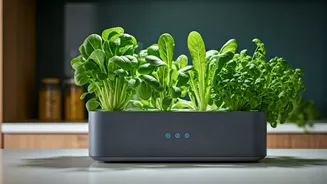
Imagine a small, refrigerator-like cabinet or a set of stacked trays humming quietly in your kitchen. Inside, under the glow of specialized LED lights, rows of lettuce, basil, and cherry tomatoes grow without a speck of soil. This is the promise of countertop
hydroponics. These systems circulate a nutrient-rich water solution directly to the plant roots, allowing for faster growth, higher yields, and year-round harvests, all within a few square feet. For a U.S. audience familiar with the occasional AeroGarden, the concept isn't new. What’s different in India is the sheer scale and urgency of the demand. Startups like UGFarms and CityGreens report that their automated, app-controlled devices—which can cost anywhere from a few hundred to over a thousand dollars—are frequently sold out, with waiting lists stretching for months. It’s not just a niche hobby; it’s becoming a mainstream aspiration for a growing segment of the urban middle class.
A Quest for Cleaner Food
So, what’s driving this green rush? It’s not just about the novelty of growing your own food. For many urban Indians, it’s a direct response to deep-seated anxieties about the conventional food supply chain. Widespread concerns over the heavy use of pesticides and chemical ripening agents in commercially grown produce have been a dinner-table topic for years. Reports of vegetables laced with harmful substances are common, leaving consumers feeling powerless. Hydroponics offers a compelling solution: total control. By growing their own greens and herbs at home, consumers know exactly what goes into their food—or more importantly, what doesn't. It sidesteps the long, complex journey from farm to city market, which can involve multiple middlemen, questionable storage conditions, and significant nutrient loss. This desire for safe, clean, and trustworthy food is the primary engine behind the trend.
The Lockdown Catalyst
While the undercurrent of food safety concerns has been present for years, the COVID-19 pandemic acted as a massive accelerant. Nationwide lockdowns in India severely disrupted food supply chains, leading to empty grocery shelves and sharp price hikes in major cities. The experience was a wake-up call for millions, starkly illustrating the fragility of urban food systems. Suddenly, the idea of having a self-sufficient food source at home, no matter how small, shifted from a luxury to a practical measure of resilience. The pandemic also confined people to their homes, creating a new market for engaging, tech-driven hobbies. For a generation of tech-savvy professionals working from home in cities like Hyderabad and Pune, tending to an automated home farm became a productive and satisfying way to spend their time, merging an interest in technology with a primal need for fresh sustenance.
A Glimpse of the Future?
What's happening in India’s metros isn't an isolated phenomenon but rather an intensified version of a global trend. Urban populations everywhere are becoming more disconnected from their food sources, and technology is stepping in to bridge that gap. But the Indian context—with its combination of high population density, significant water scarcity issues (hydroponics uses up to 90% less water than traditional agriculture), and acute supply chain vulnerabilities—makes it a fascinating case study for the future of urban living. This isn't just about affluent city dwellers wanting premium basil. It’s a market-driven response to systemic problems. As these kits become more affordable and efficient, they could offer a decentralized, hyper-local model of food production that supplements, rather than replaces, traditional farming. It points to a future where our cities don't just consume food, but actively produce it, one countertop at a time.