




Scrutinise Your Destination and Itinerary
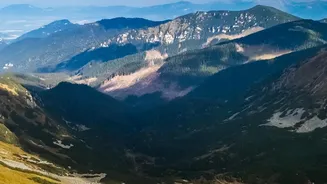
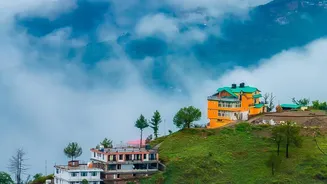
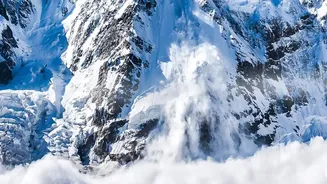
Not all hill stations are equal during the monsoon. Some, particularly in the high Himalayas of Himachal Pradesh and Uttarakhand, are prone to landslides and flash floods, which can lead to prolonged road closures. Before booking, research the specific
risks of your chosen destination. Regions like Kinnaur, Chamba, the Kullu-Manali corridor, and routes to Char Dham are often flagged for caution. Check with local authorities or your hotel about current conditions. It is also wise to keep your itinerary flexible and add buffer days to your plan. Sudden downpours can derail sightseeing, and having an extra day prevents the stress of missed flights or cancelled bookings due to weather-related delays.
Monitor Weather and Road Conditions Religiously
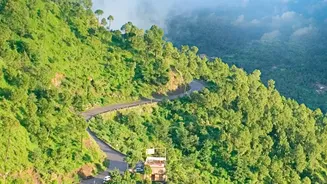
Weather can change in an instant in the mountains. Start monitoring forecasts from reliable sources like the India Meteorological Department (IMD) several days before your trip. Pay attention to district-level advisories, not just statewide forecasts, and avoid travel if an orange or red alert is issued. Before you start driving, verify the status of key highways. Landslides frequently disrupt major routes, so check official state disaster management portals and local police social media feeds for live updates on blockages. Remember that GPS shortcuts can be treacherous; stick to main highways, which are generally better maintained.
Ensure Your Vehicle Is Monsoon-Ready
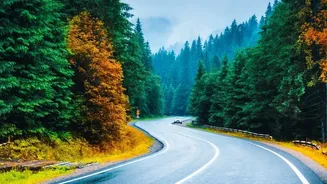
If you are planning a road trip, your vehicle is your first line of defence against treacherous conditions. A thorough check is non-negotiable. Ensure your tyres have excellent tread to grip wet, slippery roads and are properly inflated. Have your brakes inspected, as they will be under immense strain during steep descents. Working windshield wipers, functional fog lights, and a topped-up washer fluid reservoir are crucial for maintaining visibility through heavy rain and fog. If you are hiring a car, consider opting for a local driver who is experienced with the region's challenging monsoon roads and knows which areas to avoid.
Pack Smart for Safety and Comfort
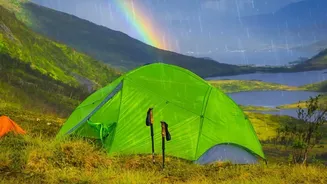
Your packing list needs a monsoon-specific upgrade. Prioritise quick-dry synthetic clothing over cotton, which takes a long time to dry. A lightweight waterproof jacket, sturdy non-slip footwear, and a compact umbrella are essential. Protect your electronics and important documents like IDs and booking confirmations by storing them in waterproof bags or zip-lock pouches. Also, pack a basic first-aid kit with essentials like bandages, antiseptic, pain relievers, and any personal medications. Given the possibility of getting stranded due to road closures, it's smart to carry a power bank, a torch, drinking water, and high-energy snacks like nuts or protein bars.
Prioritise Safe Driving and On-Ground Practices
Once on the road, adapt your driving to the conditions. Drive slowly, maintain a safe distance from the vehicle ahead, and avoid sudden braking or aggressive overtaking. Use lower gears for engine braking on steep descents to prevent brake failure. Driving after dark is highly discouraged, as visibility drops and the risk of encountering fallen rocks or blocked roads increases. Be vigilant for landslide warning signs like rumbling sounds or tilted trees. Finally, respect nature and local advisories. Avoid standing near overflowing rivers or trekking during heavy rainfall warnings; sometimes the safest decision is to stay put, enjoy a cup of tea, and wait for the weather to clear.