
A Return to Roots and Wellness
For decades, convenience reigned supreme as stainless steel and coated non-stick cookware took over our counters. They were easy to clean and store. But a growing number of households are now questioning this shift, sparking a return to the traditional
vessels of our grandmothers. This trend is about more than just nostalgia. It is a conscious choice driven by a desire for better health, more authentic flavours, and a connection to cultural heritage. Many are turning away from synthetic coatings that can degrade or release chemicals, especially with the high-heat techniques of Indian cooking. Instead, they are embracing materials that have been trusted for centuries.
The Earthen Magic of Clay Pots
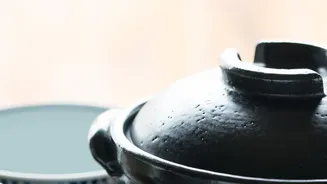
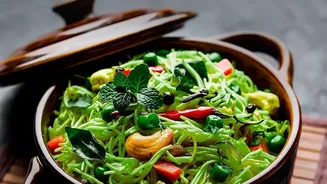
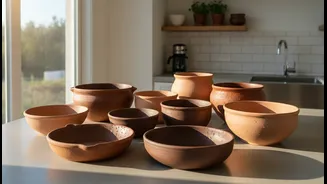
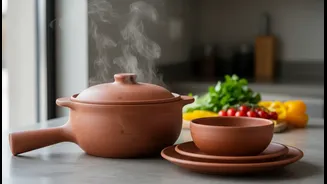
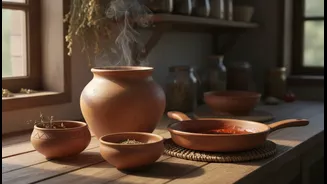
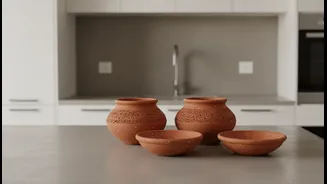
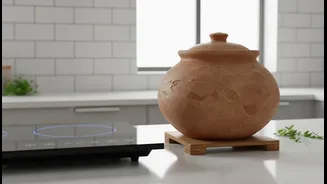
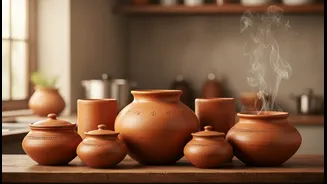
Clay pots, or 'matkas' and 'handis', are perhaps the most ancient cooking vessels making a comeback. Their magic lies in their porous nature, which allows heat and moisture to circulate slowly and evenly. This gentle cooking process is perfect for dishes like biryanis and curries, helping to retain the natural nutrients, flavour, and aroma of the ingredients. Food cooked in clay has a unique earthy taste that metal pots cannot replicate. Proponents also point to health benefits; clay is alkaline, which can help balance the pH of acidic foods like tomatoes, lending them a natural sweetness. Furthermore, they are a naturally non-toxic and chemical-free option.
The Heavyweight Champion: Cast Iron
The formidable 'lohar kadai' and cast iron 'tawa' are once again becoming staples in Indian kitchens. Renowned for their superior heat retention and distribution, they are perfect for achieving crispy dosas, evenly cooked rotis, and perfectly seared vegetables. One of the biggest advantages is durability; a well-maintained cast iron pan can last for generations, often becoming a family heirloom. As it's seasoned with oil over time, it develops a natural, chemical-free non-stick surface. A significant health benefit is that cooking in cast iron can leach small, safe amounts of dietary iron into food, which can be beneficial in preventing iron deficiency.
The Golden Glow of Brass and Bronze
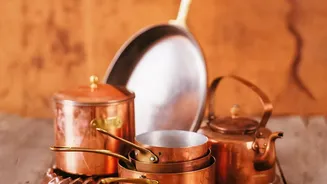
Vessels made from brass ('pital') and bronze ('kansa') are also seeing a resurgence, prized for both their beauty and their Ayurvedic benefits. Brass, an alloy of copper and zinc, is an excellent heat conductor and is believed to boost immunity and aid digestion. Bronze, made from copper and tin, is hailed in Ayurveda for its ability to purify food, reduce acidity, and balance the body's 'doshas'. While bronze is often preferred for servingware, brass utensils are excellent for cooking, provided they are properly tinned on the inside (a process called 'kalai') to prevent the metal from reacting with acidic foods. These metals connect cooking to a holistic sense of well-being.
A Sustainable and Flavourful Choice
This movement is also a step towards more sustainable living. Unlike non-stick pans that need to be replaced every few years as their coating wears off, traditional vessels like cast iron and bronze are built to last a lifetime, reducing household waste. Clay pots are eco-friendly and biodegradable. Ultimately, the rediscovery of these time-tested tools is about enriching the entire cooking experience. It's about understanding that the vessel you cook in is not just a container but a key ingredient, capable of enhancing flavour, preserving nutrients, and connecting us to a long and savoury history.