




Misinterpreting Weather Alerts
One of the biggest mistakes is not just ignoring weather forecasts, but failing to understand them. The India Meteorological Department (IMD) uses a colour-coded system that every traveller should know. A 'Green' alert means all is well, but a 'Yellow'
alert is a sign to 'be aware' of changing conditions that could cause minor disruptions. An 'Orange' alert warns you to 'be prepared' for potentially severe weather, including heavy rainfall that could disrupt transport and power. The 'Red' alert is the most serious, signalling a significant threat to life and property, where you must 'take action' and avoid all non-essential travel. Treating a Red or Orange alert as a minor inconvenience can put you at serious risk. Before you leave and during your trip, monitor these official alerts for your destination.
Underestimating Road Conditions
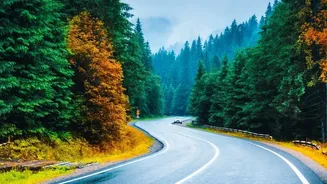
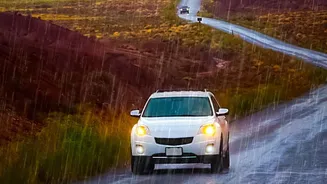
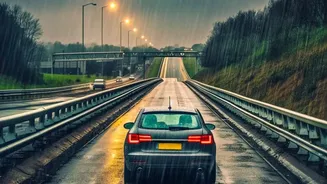
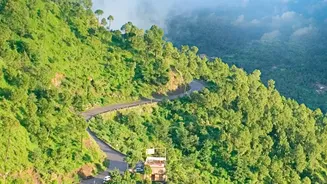
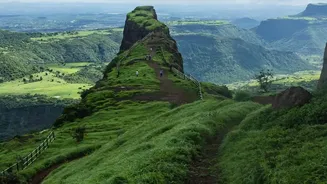
Monsoon roads are notoriously treacherous. Heavy rain reduces visibility, makes roads slippery, and hides dangerous potholes under murky water. A critical error is driving too fast for the conditions. Reducing your speed gives you more time to react and helps prevent hydroplaning, where your tyres lose contact with the road. Always maintain a safe distance from the vehicle in front, as braking distances increase significantly on wet surfaces. In hilly areas like the Western Ghats or Himalayas, landslides are a major risk, so avoid travelling on mountain routes after sustained heavy rainfall. If you encounter a waterlogged road, don't try to guess its depth; it's safer to find an alternative route. If rain becomes too heavy, pull over to a safe location—not under a tree or pole—and wait for it to subside.
Forgetting Pre-Trip Vehicle Checks
Assuming your car is ready for a monsoon drive without a proper check is a recipe for disaster. Before any road trip, inspect critical components. Your tyres are the most important safety feature; ensure they have adequate tread depth (at least 3mm is recommended) to grip wet roads and prevent skidding. Check that your brakes are working efficiently, as their performance is vital in the rain. Functioning wiper blades are non-negotiable for clear vision, so replace them if they leave streaks. Finally, test all your lights—headlights, taillights, and indicators—to ensure you can see and be seen in low-visibility conditions. Keeping your headlights on a low beam during the day can significantly improve your visibility to other drivers.
Making Inflexible Bookings
The allure of a non-refundable deal can be strong, but it's a significant gamble during the monsoon. Weather is unpredictable, and landslides, floods, or flight cancellations can force you to change your plans at the last minute. A common mistake is not paying close attention to cancellation policies. Always opt for flexible or refundable booking options for flights and hotels, even if they cost a little more. Many travel operators and hotels now offer 'flexi' options that allow for no-penalty cancellations or easy rescheduling. Reading the fine print is crucial, as 'free cancellation' often has a strict cut-off window. Consider travel insurance that specifically covers trip interruptions due to severe weather.
Packing an Overly Ambitious Itinerary
Trying to cram too many destinations and activities into a short weekend is a mistake that becomes even more problematic during the monsoon. Heavy rains can cause unexpected delays, from traffic jams in the city to road blockages in rural areas. A tightly packed schedule leaves no buffer for these weather-related disruptions. Instead of rushing from one tourist spot to another, choose fewer places and give yourself ample time to travel between them. This not only reduces stress but also allows you to adapt if a planned route becomes inaccessible. Remember that some attractions, like certain waterfalls or trekking trails, may be temporarily closed for safety reasons during heavy downpours. The key is to build flexibility into your plan.
Carrying the Wrong Gear
Thinking a simple umbrella will suffice is a classic monsoon travel error. You'll need more than that to stay comfortable and safe. Pack quick-drying clothes and avoid heavy fabrics like denim. Appropriate footwear with good grip is essential to navigate slippery paths and muddy terrain. To protect your gadgets, invest in waterproof bags or pouches for your phone, camera, and other electronics. It's also wise to carry a fully charged power bank, as power outages can be common. Don't forget a small first-aid kit with essentials, some snacks, and drinking water, especially if you're heading to a remote area where shops might be scarce or inaccessible during a downpour.