






From Forgotten Grains to Modern Plates
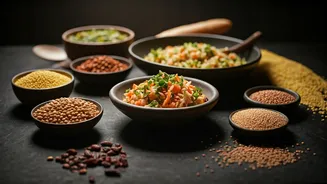
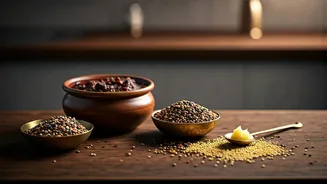
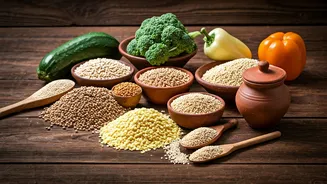
Not long ago, millets like jowar, bajra, and ragi were often dismissed as ‘coarse grains’ or rural fare, overshadowed by the polished dominance of wheat and rice. Today, these ancient grains are the heroes of a nationwide food revolution. Spurred by a growing
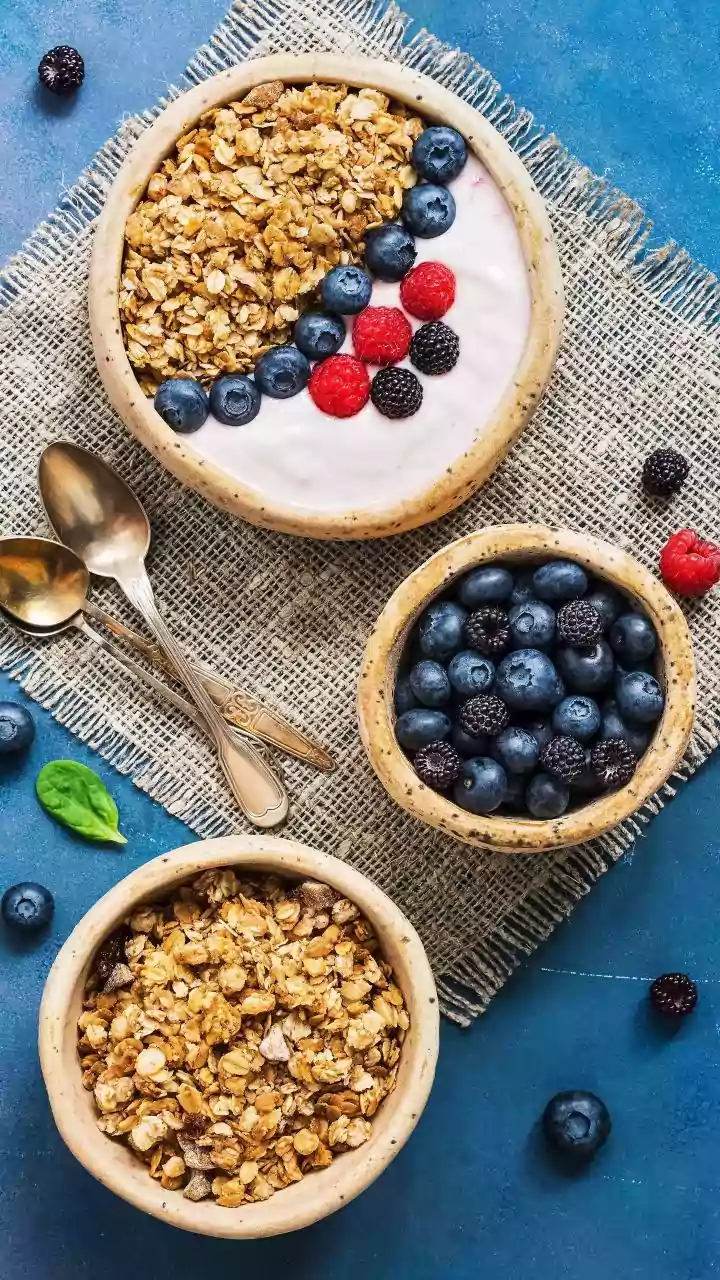
awareness of their nutritional prowess—high in fibre, protein, and naturally gluten-free—millets are storming urban kitchens and cafe menus. You can now find ragi pancakes, jowar tacos, and foxtail millet salads in cities from Bengaluru to Delhi. This resurgence isn’t just a dietary trend; it’s a conscious choice. The United Nations declaring 2023 the ‘International Year of Millets’ at India’s suggestion was a global endorsement of what many Indians were already rediscovering: these grains are not only good for us but are also remarkably climate-resilient, requiring less water and thriving in arid conditions. They represent a sustainable, sensible, and delicious return to form.
The Chefs Championing Regional Roots
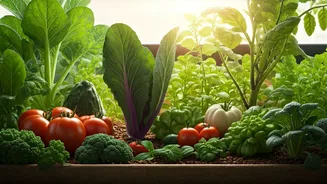
This movement isn't just happening in home kitchens. India’s top chefs are leading the charge, trading imported ingredients for hyper-local, seasonal produce. They are acting as culinary archivists, travelling to remote villages to unearth forgotten recipes and ingredients that were on the brink of extinction. Restaurants are now built around celebrating the distinct flavours of a single region, be it the complex vegetarian thalis of Kathiawar, the tribal cuisine of Odisha, or the coastal delicacies of the Konkan. These chefs are re-introducing a generation to vegetables like moringa (drumstick leaves), jackfruit, and a variety of local gourds and greens that their grandparents ate daily. By placing these humble ingredients at the centre of a fine-dining experience, they are challenging the notion that ‘gourmet’ has to be foreign. It’s a powerful statement of cultural pride, served on a platter.
Grandma’s Kitchen Goes Digital
While chefs provide the glamour, the real engine of this revival is technology. Social media platforms like Instagram and YouTube have become virtual recipe books, passed down not by word of mouth, but through beautifully shot videos and heartfelt captions. A new generation of food bloggers and home cooks are meticulously documenting their family’s culinary heritage, from the precise art of making the perfect dosa batter to the secret spice blend for a family curry. These digital creators are demystifying traditional cooking, making it accessible and appealing to millennials and Gen Z who may not have had the chance to learn directly from their elders. They are preserving techniques, celebrating regional diversity, and creating a community around shared food memories. Suddenly, making a complex pickle or a slow-cooked dal from scratch isn't a chore; it’s a mindful, rewarding activity that connects them to their identity.
More Than Just a Meal
So why is this happening now? The reconnecting with traditional food is a response to the anxieties of modern life. After decades of embracing fast food and processed meals, there's a collective pushback—a yearning for food that is clean, nourishing, and authentic. The wellness movement has played a huge role, with people seeking natural remedies and preventative health through diet, just as Ayurveda has taught for centuries. Furthermore, the conversation around sustainability has made us question the carbon footprint of our food. Eating locally and seasonally is no longer just a preference; it’s an environmental imperative. But perhaps the most profound driver is a search for identity. In a globalized world, food becomes a tangible link to our roots, a way to understand who we are and where we come from. Every bowl of millet porridge or bite of a regional specialty is an act of reclaiming a piece of our heritage.