








From Search Bar to Social Feed
For years, online shopping was an active pursuit. If you wanted a new jacket, you went to a search engine or a retailer's website and typed in what you were looking for. Success depended on your ability to describe the item using the right keywords. [6]
Today, that model has been flipped. Consumer behavior has shifted from active searching to passive discovery. [22] Products now find customers through algorithmically curated feeds on platforms like Instagram and TikTok, often before a user even knows they want something. [22] This change marks a fundamental rewiring of e-commerce, turning our social feeds into endless, shoppable windows. [7, 24]
The Rise of the Shoppable Screen
Social media platforms are no longer just for connecting with friends; they are powerful marketplaces. [7, 21] This 'social commerce' integrates the shopping experience directly into the platforms, allowing users to discover, research, and purchase without ever leaving the app. [23, 24] The rise of 'shoppertainment'—a blend of entertainment and commerce—is a key driver. [17] Features like TikTok Shop and Instagram Shopping, fueled by influencer recommendations and user-generated content, have made the path from inspiration to purchase nearly frictionless. [15, 7] In fact, over half of TikTok Shop users report buying from brands they first discovered on the platform, highlighting the power of impulse buys driven by engaging video content. [12]
AI as Your Personal Stylist
Artificial intelligence is the engine powering this new era of discovery. [8] AI algorithms analyze vast amounts of data—from social media posts and runway shows to your past purchases—to predict emerging trends and understand your personal style. [10, 14] This allows retailers to offer hyper-personalized recommendations that feel less like advertising and more like a consultation with a savvy stylist. [14] Beyond just recommending products, generative AI can now assist in the design process itself, creating novel outfit ideas or even generating virtual models wearing different combinations. [14] This technology enhances the online shopping experience by making it more personal, efficient, and inspiring. [8]
See It, Snap It, Shop It
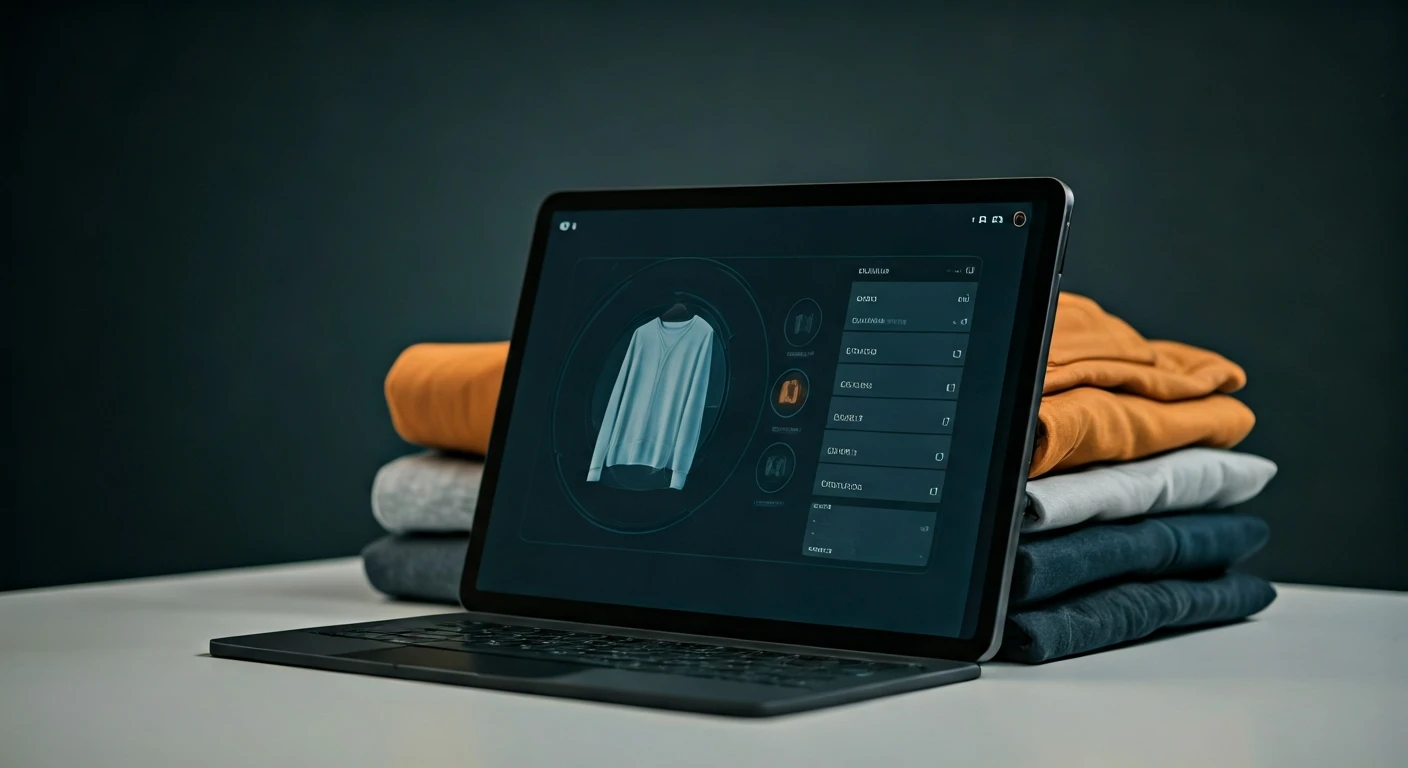
One of the most significant technological shifts is the rise of visual search. [3] Instead of struggling to describe a floral pattern or a unique silhouette with words, you can now simply use an image. [1, 6] Using a photo, a screenshot from a video, or your phone's camera, visual search technology powered by AI can identify an item and show you similar products available for purchase. [2, 3] This bridges the gap between seeing something you love in the real world (or on social media) and being able to buy it instantly. [2] Retailers like ASOS have successfully implemented this technology, allowing shoppers to find exactly what they want without typing a single word, dramatically reducing the friction in product discovery. [3, 5]
What This New World Means
This evolution from search-based shopping to ambient discovery offers incredible convenience and personalization. Finding clothes that match your taste has never been easier, with inspiration coming from all corners of your digital life. [14] Augmented reality (AR) 'virtual try-on' features are further blurring the lines, allowing you to see how a garment might fit without ever stepping into a store, which can increase purchase confidence and reduce returns. [8, 19] However, this seamless experience also comes with potential downsides. The constant, passive exposure to shoppable content can encourage impulse buying. [20] Furthermore, the incredible level of personalization is built on the vast amount of data that platforms collect about our preferences and behaviors, raising valid questions about privacy in this new retail landscape.