






Know the Challenge: A Bare Rock Ascent
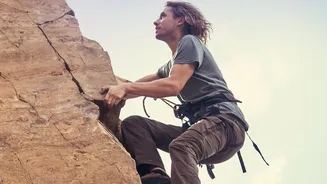
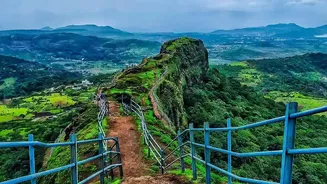
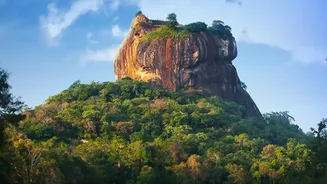
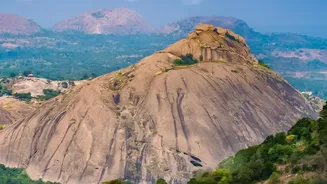
Savandurga, located about 60 km from Bangalore, isn't a typical forested trail. The popular 'Biligudda' (white hill) route is a climb up a massive, bare rock. The trek is considered moderate in difficulty, but its steepness makes it physically demanding,
even for the reasonably fit. You will be navigating inclines on a rock surface, with some sections requiring you to find handholds and follow painted arrows on the stone. The entire ascent can take two to three hours with very little shade, making endurance a critical factor. The descent can be equally tricky, putting pressure on your knees and requiring careful foot placement to avoid slipping.
Build Your Cardio Engine for the Climb
A continuous uphill climb is a test of your cardiovascular system. To prepare, focus on activities that keep your heart rate elevated for extended periods. Start a routine at least four to six weeks before your trek. Incorporate 30-45 minutes of brisk walking, jogging, or cycling into your schedule, three to four times a week. The best simulation for Savandurga is stair climbing. Using a StairMaster at the gym or simply climbing flights of stairs in your building will train the exact muscles needed for the ascent. Aim to build up to a point where you can sustain the activity for an hour without feeling completely exhausted.
Develop Leg and Core Strength
The steep gradient of the monolith requires powerful legs and a stable core. Your training should include strength exercises that target these specific muscle groups. Bodyweight exercises are highly effective. Incorporate two to three sets of squats, lunges, and calf raises into your weekly workouts. These movements mimic the climbing motion and build strength in your quads, glutes, and hamstrings. Don't neglect your core; exercises like planks and leg raises will improve your balance on the uneven and often slippery rock surface, helping to prevent falls and injuries.
Practice on Uneven Ground
Walking on a gym treadmill or a flat pavement is not enough to prepare you for Savandurga's terrain. The rock surface is uneven, and you'll need strong ankles and good balance. Whenever possible, go for practice hikes on smaller hills or trails with rocky patches. This helps your feet and ankles adapt to instability. Pay attention to your foot placement and learn to trust your shoes. This real-world practice is invaluable and will build your confidence for the main event. It also helps break in your trekking shoes, which is crucial for preventing blisters.
Focus on Hydration and Flexibility
The exposed rock of Savandurga absorbs and radiates heat, especially if you start your trek late. It's recommended to begin as early as 6:00 a.m. to avoid the harshest sunlight. In the week leading up to your trek, make a conscious effort to stay well-hydrated by drinking plenty of water daily. Carry at least two litres of water with you on the trek, as there are no water sources on the trail. Finally, incorporate stretching into your routine. Focus on your hamstrings, quadriceps, calves, and hip flexors after every workout. Good flexibility will help prevent muscle cramps and reduce the risk of injury during the demanding climb and descent.