



The Magic of a Monsoon Drive
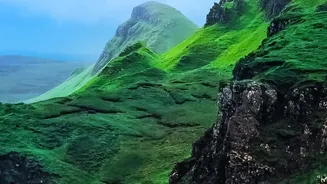
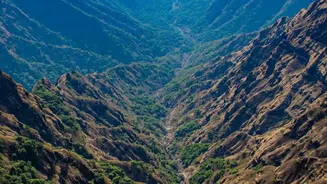
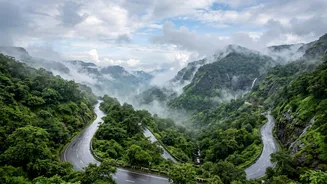
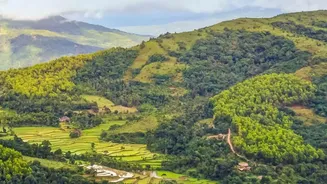
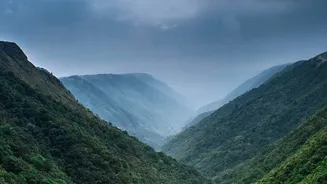
Forget clear blue skies; the true magic of the Sahyadris reveals itself between June and September. This is when the region transforms under a blanket of mist, and the parched summer landscape erupts into a thousand shades of green. The drive itself becomes
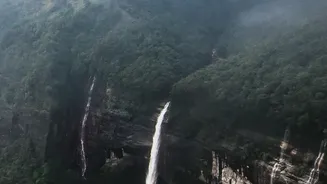
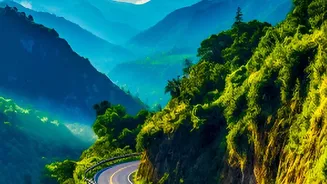
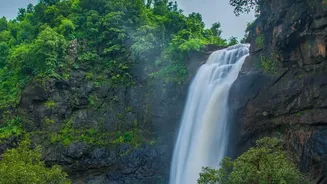
the destination. Waterfalls, some of which only exist for these few months, cascade down dark rock faces right by the roadside. The air grows heavy with the petrichor, and every turn on the ghat roads opens up to valleys filled with swirling clouds. While many famous viewpoints may be obscured by fog, the atmosphere is unmatched. This is a trip for those who appreciate mood and atmosphere over a checklist of sights, where a hot cup of chai and a plate of corn on the cob at a roadside stall feels like the main event.
Essential Tips for Ghat Driving
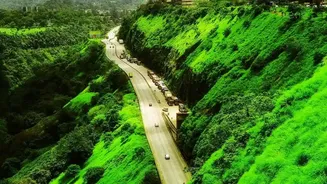
Driving in the ghats during monsoon requires caution, but a little preparation makes it a safe and enjoyable experience. First, ensure your vehicle is in top condition, with special attention to tyres, brakes, and wipers. Drive significantly slower than you would in dry conditions, as roads can be slippery and visibility poor. Honk around blind corners and hairpin bends to alert oncoming traffic. It is advisable to use engine braking on steep descents to avoid overheating your brakes. Always start your journeys early to avoid driving on unfamiliar ghat roads after dark. Pack a light rain jacket and waterproof footwear with good grip, as you will want to get out and enjoy the roadside cascades. Finally, if local authorities advise against visiting a particular waterfall or route due to heavy flow, it's best to follow their guidance.
Route 1: The Classic Mahabaleshwar Approach
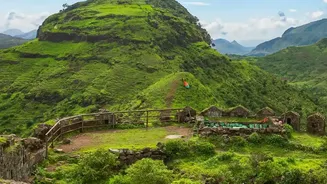
The drive from Satara to Mahabaleshwar, roughly 53 kilometres, is the quintessential monsoon escape. The journey via the Wai-Panchgani road is a classic, taking you through lush farmland that turns a brilliant emerald in the rains. Key stops along this route include the serene Venna Lake in Mahabaleshwar, perfect for a misty walk even if boating is paused due to heavy rain. Lingmala Falls, which is at its most majestic during this season, is a must-visit, with water dropping from a height of 500 feet. While popular viewpoints like Arthur’s Seat might be engulfed in fog, the drive itself offers numerous unnamed waterfalls and breathtaking, fleeting views of the valleys below. For a taste of history, a detour to Pratapgad Fort, about 24 km from Mahabaleshwar, offers panoramic views and a chance to see its four internal lakes overflowing with monsoon water.
Route 2: The Tapola 'Mini Kashmir' Circuit
Just 25 kilometres from the bustle of Mahabaleshwar lies the tranquil hamlet of Tapola, often called the 'Mini Kashmir' of Maharashtra. The drive to Tapola is a picturesque journey in itself, with winding roads offering spectacular views of the Koyna backwaters. During the monsoon, this region is all about slowing down and soaking in the peace. The main attraction here is the vast Shivsagar Lake, where boating offers a unique perspective of the surrounding green hills and dense forests. Unlike the viewpoint-hopping of Mahabaleshwar, Tapola encourages you to simply be, whether it's enjoying local food at a lakeside eatery or trekking through forest trails to forts like Vasota (when accessible). The drive here is less about speed and more about the changing scenery, where every turn reveals a quiet inlet or a mist-covered hillside.
Route 3: The Road to the Valley of Flowers
For a truly unique experience, plan a drive towards the Kaas Plateau, a UNESCO World Natural Heritage Site located about 25 km from Satara. While the main flowering season, which sees the plateau carpeted in over 850 species of wildflowers, peaks from late August to early October, the drive is stunning throughout the monsoon. The road leading to Kaas is quiet and offers wide-open views of lakes and verdant hills. Combining this trip with a visit to the nearby Thoseghar Waterfalls makes for a perfect day. These seasonal falls are a series of cascades, with one dropping from a height of nearly 200 meters, creating a thunderous spectacle. Another nearby attraction is the Chalkewadi Windmill Farm, where you can see hundreds of windmills turning against a dramatic, cloudy sky. Note that entry to Kaas Plateau during peak bloom is often regulated, so it is wise to book tickets online in advance.