





The Great Escape from Urban Burnout
The post-pandemic era cemented remote work as a viable option for many in India's booming tech sector. However, it also led to longer hours and blurred lines between work and life, resulting in widespread burnout. Professionals are increasingly trading
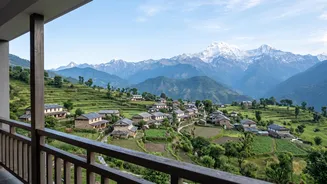
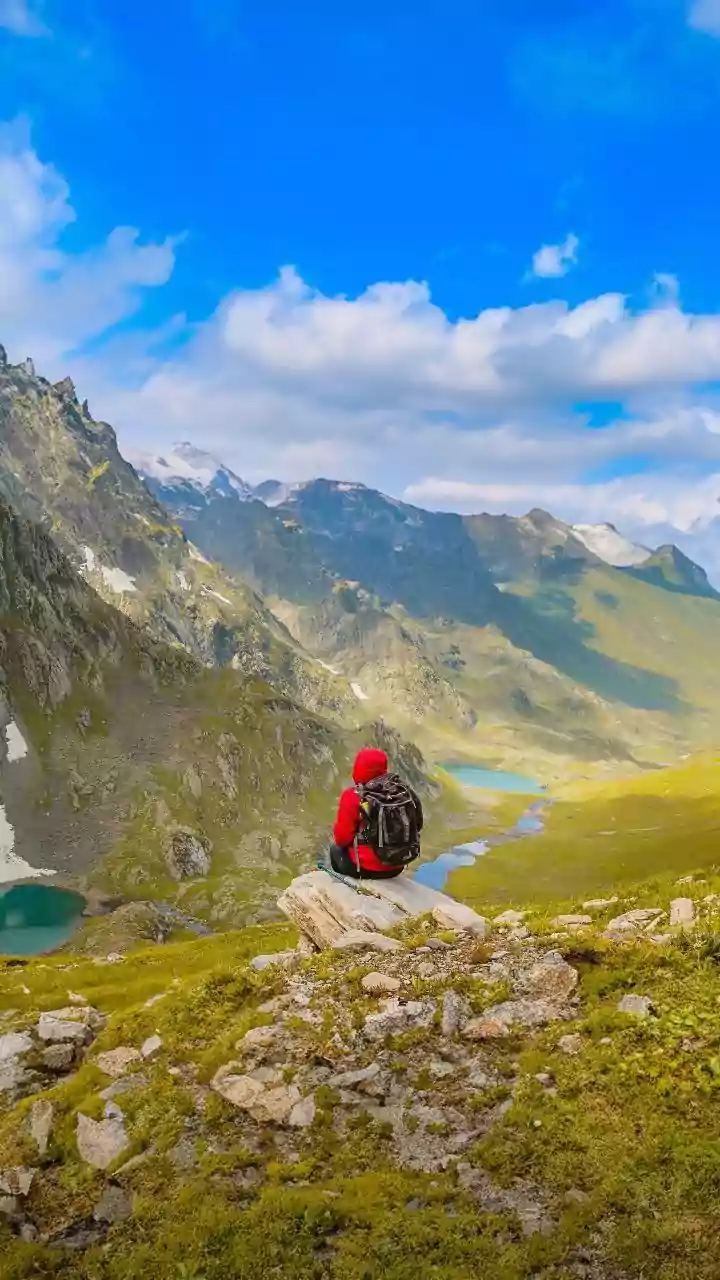
the costly and chaotic life in metropolitan hubs like Bengaluru and Delhi NCR for something more nourishing. The key drivers are a desire to escape urban stress, reduce high living costs, and find a healthier work-life balance. This isn't just a vacation; it's a fundamental lifestyle redesign, swapping traffic jams for nature trails and polluted air for crisp mountain breezes.
Beyond Nainital: The Rise of Quiet Havens
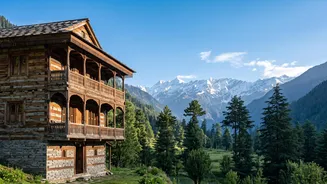
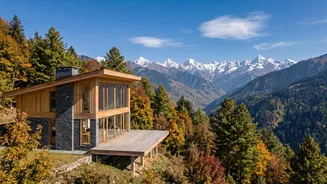
While popular destinations like Mussoorie and Nainital still attract visitors, this new wave of tech professionals is seeking something different. They are heading to lesser-known, quieter towns that offer serenity without sacrificing essential services. Places like Mukteshwar, Ramgarh, Kasar Devi, and even more remote villages like Chopta and Kanatal are becoming go-to spots. These locations provide a peaceful environment that boosts focus and creativity, away from tourist crowds. The appeal lies in their tranquil atmosphere, where the biggest distraction might be the sound of birds chirping rather than a noisy street.
The New Digital Infrastructure
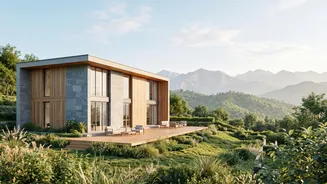
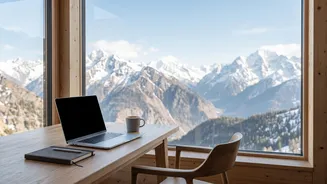
A dream of working from the mountains is one thing; the reality of a looming project deadline is another. The workation trend in Uttarakhand is only possible because of significant improvements in digital infrastructure. Many homestays, hostels, and cafes now offer reliable high-speed WiFi, often with fibre optic connections and power backups to handle outages—critical for uninterrupted work. Brands like Zostel and The Hosteller, along with countless independent homestays, specifically cater to remote workers by advertising verified internet speeds and dedicated workspaces. This infrastructure build-out, supported by government initiatives, has been a game-changer, making remote work from the hills a practical reality rather than a risky gamble.
A Holistic Approach to Productivity
The move is about more than just a change of scenery; it's about holistic well-being. Tech workers find that the calm environment and proximity to nature significantly reduce stress and enhance productivity. Weekends are no longer for recovering from the work week but for exploring hiking trails, visiting local markets, or engaging in wellness activities like yoga and meditation, for which places like Rishikesh are famous. This lifestyle fosters a sense of community among like-minded individuals, creating a supportive ecosystem of digital nomads who share a common desire for a more balanced and fulfilling life. Many find that being 'present' during work calls is easier when they are genuinely feeling more relaxed and focused.
A Two-Way Street of Benefits and Challenges
This trend offers a unique opportunity for reverse migration in a state that has historically seen its youth leave for jobs in the plains. The influx of long-stay professionals brings a steady, year-round income to local communities, supporting homestays, cafes, and other small businesses. However, this new popularity is not without challenges. There is a growing concern about the potential strain on local resources, rising costs for residents, and the risk of these quiet towns losing their charm if development goes unchecked. Responsible tourism and sustainable practices will be crucial to ensure this trend benefits both the newcomers and the host communities in the long run.