
Choose Recipes With Shelf Life in Mind
The foundation of a successful food gift is choosing the right recipe. Not all delicious treats travel well or last long. Before you start baking, think about when you will be giving the gift. If you need to make items a week in advance, opt for foods
with a naturally longer shelf life. Dry and dense baked goods like fruitcakes, biscotti, and shortbread cookies are excellent choices. Savoury snacks like mathri, shankarpali, and roasted nut mixes also hold up well. For Indian sweets, ghee and nut-based items like besan laddoos, kaju katli, and dry fruit barfi last longer at room temperature than their milk-based counterparts. Foods that are moist, contain fresh cream, or require refrigeration are best gifted for immediate consumption.
Understand Your Ingredients
The ingredients you use are the single biggest factor determining how long your gift will stay fresh. High-moisture ingredients, particularly dairy products like milk, khoya, and paneer, are highly perishable. Sweets such as rasgulla, sandesh, and kalakand must be refrigerated and consumed within a few days. On the other hand, sugar, ghee, and oil act as natural preservatives. Traditional sweets with high sugar content, like jams and jellies, have a longer shelf life because sugar inhibits microbial growth. Dry ingredients like flour, nuts, and roasted dals contribute to a more stable, longer-lasting product. When preparing items, always use the freshest ingredients possible, as this will directly impact the final product's longevity. Check the expiry dates on items like baking powder, which can lose potency over time.
Master Proper Storage Techniques
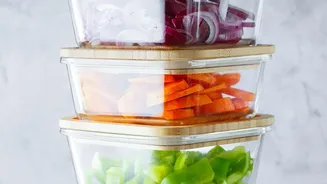
Once your treats are prepared and fully cooled, storage becomes critical. The most important rule is to use airtight containers. This prevents moisture from making crisp items soggy and stops soft items like cakes and cookies from drying out. For Indian sweets, milk-based mithai must be kept in the fridge. Ghee-based sweets like laddoos can be stored in a cool, dry place at room temperature. Savoury snacks also need to be protected from air and humidity to maintain their crunch. When packing different types of cookies, separate the crisp ones from the soft ones to prevent texture changes. If you are layering items like brownies or barfi, use wax or parchment paper between layers to prevent them from sticking together.
Package Smart and Label Clearly
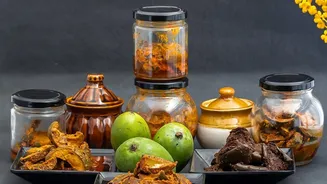
Thoughtful packaging not only looks beautiful but also protects your gift. Use sturdy boxes or tins that can prevent treats from getting crushed, especially if they are being transported. For jams, pickles, or chutneys, ensure the jars have been properly sealed. If you are gifting something that needs to be kept cold, inform the recipient so they can refrigerate it immediately upon arrival. The most helpful thing you can do for your recipient is to add a small label. This label should include the name of the treat, the date it was made, and storage instructions (e.g., "Refrigerate after opening" or "Best enjoyed within 3 days"). Mentioning key ingredients, especially common allergens like nuts, is also a very considerate touch.
A Quick Guide to Common Festive Treats
To make planning easier, here is a general guide to the shelf life of popular homemade gifts when stored correctly: Milk-Based Mithai (Rasmalai, Sandesh): Highly perishable. Refrigerate and consume within 2-3 days. Ghee/Nut-Based Mithai (Laddoos, Kaju Katli): Can last for 7-15 days at room temperature in an airtight container. Dry Savoury Snacks (Mathri, Chakli): Can last for 2-3 weeks in an airtight container. Cookies & Biscotti: Dry, crisp varieties can last for 2-3 weeks. Softer cookies are best within a week. Cakes & Brownies: Unfrosted cakes and brownies stay fresh for up to a week. Items with cream cheese or buttercream frosting need refrigeration and should be eaten within a few days. Jams & Pickles: Properly sealed jars can last for months, but once opened, they should be refrigerated.