




From Physique to Function
For decades, the mainstream view of fitness was dominated by cardio for heart health and weight loss. Strength training was often seen as a niche pursuit for bodybuilders. Today, that perception is changing rapidly. The focus is shifting from short-term
appearance to long-term function and healthspan—the number of years we live in good health. This evolution is driven by a growing body of research and a cultural realisation that muscle is critical for aging gracefully. The goal is no longer just to look good, but to maintain independence, vitality, and resilience for decades to come. It’s about being able to carry groceries, play with grandchildren, and get up from the floor with ease, well into your 80s and beyond.
The Science of a Longer, Stronger Life
The connection between muscle mass and longevity is becoming undeniable. Researchers now refer to muscle as a 'metabolic organ' that plays a crucial role in regulating our health. Strong muscles help control blood sugar, improve insulin sensitivity, and reduce the risk of type 2 diabetes. Studies have consistently shown that individuals with greater muscle mass and strength have a lower risk of all-cause mortality. One large-scale study found that just 90-120 minutes of strength training per week was associated with a 13% lower risk of premature death. When combined with aerobic exercise, that benefit skyrockets, reducing mortality risk by up to 45% compared to being inactive. Resistance training also combats age-related bone loss by stimulating new bone growth, reducing the risk of osteoporosis and debilitating fractures.
Building Your 'Retirement' Body Today
The strength you build now is a direct investment in your future quality of life. After age 30, adults can lose 3-5% of their muscle mass per decade, a condition known as sarcopenia, which accelerates after 50. This loss of muscle leads to weakness, frailty, and an increased risk of falls, which are a major threat to independence in older adults. Strength training is the single most effective way to counteract this decline. By making your muscles stronger, you also improve your balance and reaction time, making you less likely to fall and better able to catch yourself if you do. This isn't about extreme bodybuilding; it's about building a body that is robust and capable of handling the physical demands of daily life for as long as possible.
Strength Training Is for Everyone
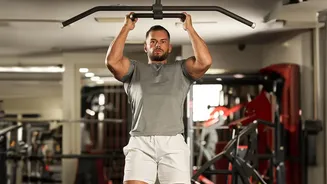
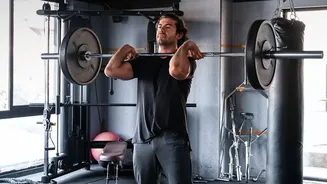
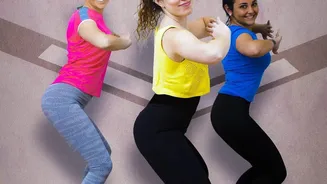
The modern face of strength training is more diverse than ever. It's not just young men in weight rooms; it's women, older adults, and people of all fitness levels discovering its benefits. The fear of becoming 'bulky' is being replaced by the desire to be strong and capable. Research shows that it's never too late to start, with studies demonstrating that even people in their 70s and 80s can build muscle and reverse some age_related decline. The key is progressive overload—gradually challenging your muscles over time. This doesn't require a gym membership or heavy barbells. It can start with bodyweight exercises like squats and push_ups, or using resistance bands and light dumbbells at home.