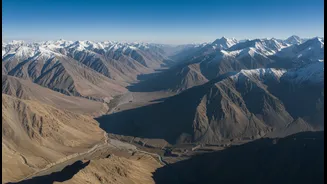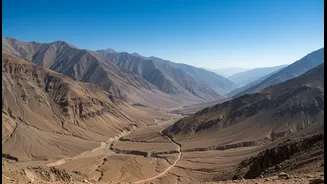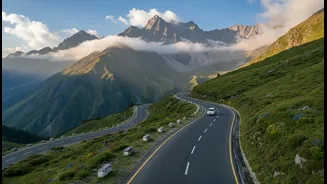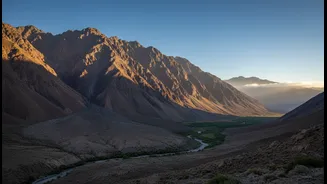





The Allure of the Filtered Fantasy
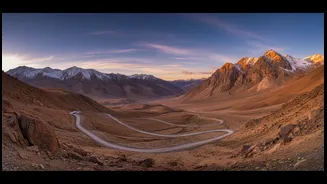
In the age of 'revenge travel' and the relentless pursuit of viral content, India’s hill stations have become open-air studios for the perfect photograph. From Shimla to Mussoorie and beyond, the primary draw for a new generation of travellers often seems
to be replicating a shot they saw online. This surge, fuelled by social media, has turned tourism into a numbers game, where success is measured by footfall and hotel occupancy rates. The problem is that this digital gloss hides a dangerous truth. The focus on aesthetics and accommodating ever-larger crowds has completely overshadowed the urgent need for foundational stability. Destinations are marketed for their beauty, creating a feedback loop where more people arrive, putting even more pressure on resources never designed for such loads.
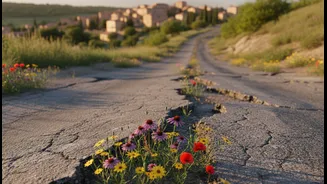
Cracks Beneath the Surface
Many of India's most popular hill towns were planned during the colonial era for a fraction of their current population. Shimla, for instance, was built for about 25,000 people but now supports a population of over 800,000, not including the constant influx of tourists. This population boom has led to rampant, unplanned construction, often on fragile slopes and over natural drainage channels. The result is a ticking time bomb. When the monsoons arrive, these choked drains and overburdened slopes can no longer handle the water. Recent years have seen a horrifying increase in landslides and flash floods across Himachal Pradesh and Uttarakhand, washing away roads, homes, and lives. Reports consistently point to unplanned construction and defunct drainage systems as primary culprits. The very infrastructure meant to support a town becomes the cause of its destruction.
The High Cost of Neglect
The consequences of prioritising views over viability are devastating. For residents, it means living in constant fear during the rains, with their homes and lives at risk. For tourists, it means the dream holiday can turn into a nightmare of being stranded by a landslide or stuck in traffic for hours on end, unable to even reach the town centre. Economically, this model is self-defeating. A region dependent on tourism cannot thrive when its roads are impassable and its basic services, like water and waste management, are collapsing under strain. The very assets that attract visitors—pristine nature and charming towns—are being eroded by the failure to manage the influx of people they attract. The Supreme Court has taken notice, pushing for Himalayan states to assess the "carrying capacity" of these towns, a term that describes how many people an area can sustainably support.
A Path Towards Responsible Beauty
This is not an argument against tourism, which is a vital lifeline for local economies. It is an argument for a fundamental shift in perspective. We must move from a model of mass tourism to one of sustainable tourism. This means enforcing building codes, investing in modern, climate-resilient infrastructure, and respecting the geological and ecological limits of these fragile regions. It means promoting 'off-beat' destinations to distribute the load and engaging local communities as stakeholders, not just service providers. A town's true beauty isn't just a scenic viewpoint; it's the safety of its residents, the reliability of its roads, and the clean water in its taps. It is a system that works for the people who call it home, allowing it to remain a welcoming place for those who visit.