
The Great Migration North
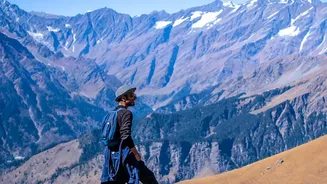
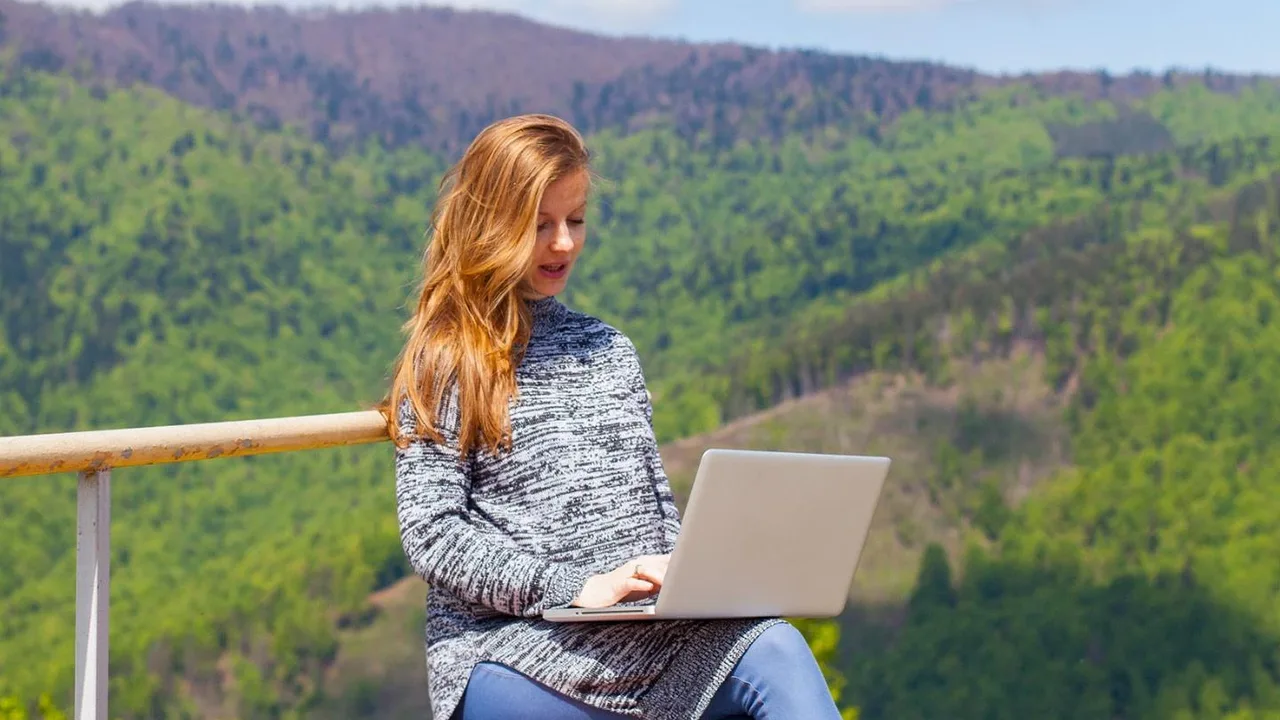
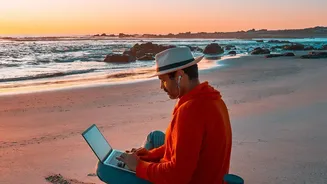
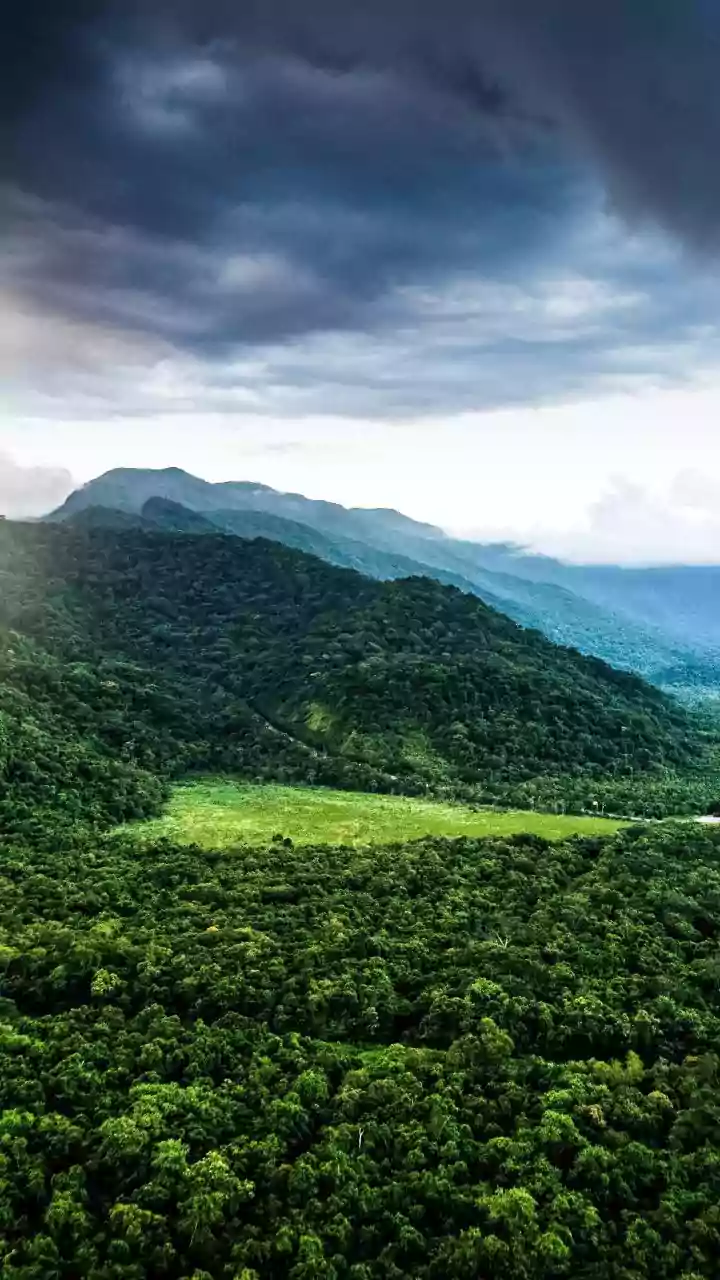
The 'work from home' era has evolved into 'work from anywhere,' and for many young professionals in India, 'anywhere' means the Himalayas. Burned out by the high costs and relentless pace of city life, freelancers, writers, coders, and designers are flocking
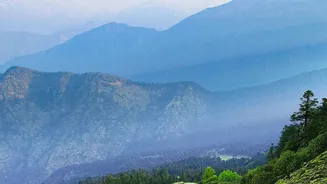
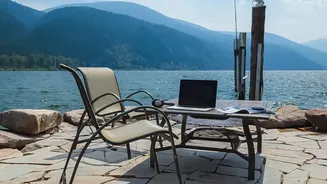
to Himachal Pradesh. This migration isn't just about escaping the rent trap of Mumbai or Bengaluru; it's a conscious choice for a better quality of life. The promise of fresh air, creative inspiration, and a lower cost of living has become an irresistible call to the mountains. This trend, bubbling for years, has now become a defining feature of India's new work culture, where a good Wi-Fi connection is the only tether to a traditional office.
The New Digital Nomad Hubs
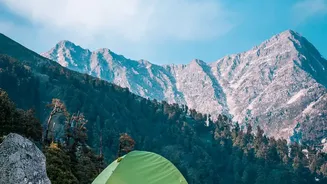
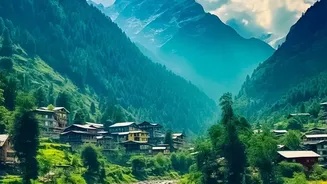
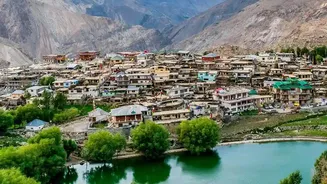
Certain Himachali towns have emerged as hotspots for this new generation of nomads. Old Manali, with its bohemian vibe and riverside cafes, is a major magnet. Nearby, Dharamshala and its upper reaches—McLeod Ganj and Dharamkot—offer a unique blend of Tibetan culture, spiritual wellness, and a well-established community of remote workers. For those seeking adventure alongside work, Bir Billing, the paragliding capital, provides a peaceful yet active environment. Meanwhile, Kasol and the quieter corners of Parvati Valley attract creatives looking for solitude and natural beauty. Even more secluded spots like Jibhi and Tirthan Valley are gaining popularity among those who want to disconnect further, armed with the knowledge that fibre internet has now reached many of these once-isolated villages.
The Economics of Escape
The word 'cheap' in the headline is not an exaggeration, especially when compared to metropolitan living. In hubs like Manali or Bir, a simple one-room setup or a studio apartment can be rented for a month for as little as ₹10,000 to ₹25,000. Contrast this with the rent for a similar space in a major Indian city, and the financial appeal is obvious. Many freelancers find that their entire monthly living cost in the mountains, including food and utilities, is less than their rent alone in the city. Homestays offer rooms with kitchenettes, allowing for self-catering, while co-living spaces provide all-inclusive packages with rent, meals, and high-speed internet, fostering an instant sense of community. This economic freedom allows freelancers to manage the fluctuating nature of their income with less stress.
More Than Just Low Rent
While the low cost is a major draw, the lifestyle is what keeps people there. The social fabric of these nomad hubs is built around cafes that double as informal co-working spaces. Places like Café 1947 in Manali or Illiterati Café in McLeod Ganj are institutions where one can work for hours, fuelled by coffee and a reliable internet connection. This environment fosters a strong sense of community, warding off the isolation that can come with solo freelancing. It’s common to find coders brainstorming with graphic designers and writers collaborating on projects, all having met in a local café or a community bonfire. This blend of productivity, social connection, and access to nature is the core of the Himachali freelancer experience.
The Reality Behind the Instagram Reels
However, life in the mountains isn't always a picture-perfect postcard. The biggest hurdle can be inconsistent internet, especially outside the main towns or during bad weather. The harsh, isolating winters are not for everyone, and access to services and supplies can be limited in more remote areas. There is also a growing concern about the impact of this influx on the fragile Himalayan ecosystem and local communities. An increase in waste, strain on resources like water, and a shift in the local culture are challenges that both the newcomers and the long-time residents must navigate. The dream of working from the mountains comes with a responsibility to be a mindful, sustainable part of the community, not just a temporary consumer.