





A Fundamental Shift in Traveller Priorities
The travel industry is witnessing a significant pivot. After years of fast-paced, sightseeing-focused holidays, travellers are increasingly seeking out experiences that offer restoration and meaning. The stress of modern life, coupled with a post-pandemic
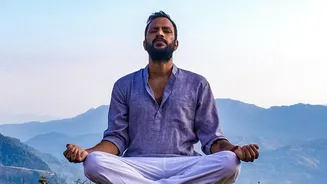
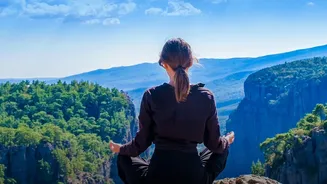
desire for holistic well-being, has fuelled a powerful demand for travel that heals the body and calms the mind. This is not just about a simple spa day; it’s about immersive journeys into yoga, meditation, Ayurveda, and spiritual reflection. This shift from passive consumption to active well-being is reshaping India’s tourism map, pushing destinations once considered purely religious or remote into the mainstream spotlight. Faith-based and wellness journeys now account for a massive portion of domestic travel, creating a vibrant new market.
From Austere Ashrams to Luxury Retreats
Indian travel businesses are responding with a diverse and sophisticated range of offerings. The market now caters to every type of wellness seeker. In Kerala, the cradle of Ayurveda, businesses offer everything from authentic Panchakarma detox programs in heritage properties to luxury resorts with personalised wellness menus. In the Himalayan foothills, destinations like Rishikesh have solidified their status as the 'Yoga Capital of the World', attracting global visitors for meditation and spiritual guidance along the Ganges. Major hospitality brands are launching dedicated wellness initiatives, integrating everything from advanced spa treatments and naturopathy to curated digital detox programs. Chains like IHCL (Taj), Oberoi, and ITC are expanding their footprint in spiritual hubs like Ayodhya, Varanasi, and Sarnath, developing premium 'faith-intelligent' hotels that cater to the modern spiritual traveller who seeks both comfort and connection.
How Businesses Are Innovating
The expansion goes beyond just building new hotels. Companies are creating entire ecosystems around wellness. Tour operators now curate multi-day 'spiritual circuits' that combine temple visits with yoga retreats and cultural immersion. There is a growing emphasis on personalisation, with retreats offering individual doctor consultations and programs tailored to a guest's specific health goals, be it stress management or lifestyle correction. Technology is also playing a role, with online platforms making it easier to discover and book these specialised experiences. Even corporate travel is seeing a shift, with companies increasingly choosing wellness retreats for employee offsites and leadership programs, recognising the value of mindfulness and stress reduction.
The Economic and Social Ripple Effect
The economic impact of this trend is substantial. The wellness tourism sector in India is a multi-billion dollar industry, with forecasts predicting robust growth. One estimate projects the faith-based tourism market to reach nearly USD 47 billion by 2036. This boom creates a wide ripple effect, generating employment not just in hotels but for a vast network of yoga instructors, Ayurvedic doctors, therapists, local guides, and artisans. Government initiatives like the PRASAD scheme, aimed at developing pilgrimage sites, and the introduction of the Ayush Visa for international visitors seeking traditional treatments, are providing further structural support. This growth is helping to invigorate local economies and support the development of infrastructure in previously overlooked regions.
The Road Ahead: Authenticity and Growth
As the market expands, the primary challenge will be to maintain authenticity and avoid overt commercialisation that could dilute the experience. The goal is to develop these sacred and serene destinations sustainably, preserving their unique character while accommodating growth. For India, this trend is an opportunity to leverage its 5,000-year-old healing traditions and present a unique, profound offering to the world. It represents a move beyond being just a destination for heritage and adventure, to becoming a global leader in the journey for well-being.