




From Sightseeing to Experiencing
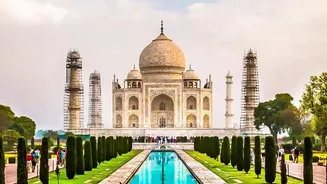
The way Indians travel is undergoing a significant transformation. No longer satisfied with checklist tourism that involves rushing between famous monuments, travellers are now seeking to immerse themselves in the places they visit. This shift is driven
by a desire for meaningful memories over picture-perfect moments. According to recent travel reports, this trend, known as experiential travel, is booming, with India's market for it projected to reach $45 billion by 2027. The modern Indian traveller wants to understand the local culture, traditions, and lifestyle rather than just observing from a distance. This change is particularly strong among younger travellers, especially Gen Z and millennials, who prioritise personal growth and unique stories over savings or conventional souvenirs.
What Does 'Authentic' Really Mean?
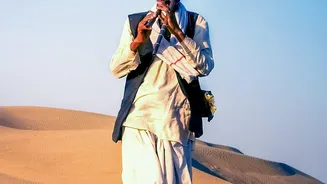
Authentic travel isn't about avoiding cities or popular countries altogether; it's about engaging with them differently. Instead of just dining at a top-rated restaurant, it could mean taking a cooking class with a local family. Instead of a standard hotel, it might be a stay at a heritage property to learn about its history. The focus is on participation and connection. This can take many forms: attending a local music festival, learning a traditional craft from an artisan, exploring a city's neighbourhoods with a local guide, or going on a wellness retreat for yoga and meditation. The goal is to move beyond the commercialised tourist bubble and create genuine connections with the destination. This shift reflects a move from collecting destinations to collecting experiences.
The New Map of Indian Travel
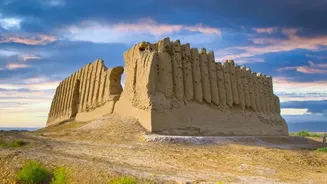
This search for authenticity is redrawing the travel map for Indians. While classics like London and Paris still draw crowds, lesser-known destinations are rapidly gaining popularity. Countries in Eastern Europe, the Caucasus, and Central Asia are becoming hotspots. Nations like Georgia, Azerbaijan, and Kyrgyzstan are attractive due to their unique cultures, stunning landscapes, and simplified visa policies for Indians. Georgia, for example, offers a European feel without the high prices, making it a favourite. Similarly, the historical cities of Uzbekistan and the pristine beaches of Albania are appealing to those looking to escape overcrowded tourist traps. Even within popular countries, travellers are venturing beyond the main cities, exploring the Italian countryside or the art cafes of Paris with a slower, more deliberate pace.
Why the Big Shift Now?
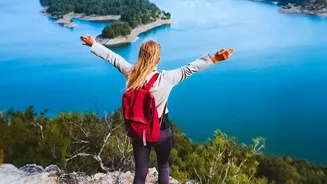
Several factors are fuelling this trend. A growing middle class with higher disposable income means more people can afford international travel. Furthermore, social media has shifted from a platform for showing off famous landmarks to a space for sharing unique, story-driven experiences. Seeing a friend explore a quiet village in Vietnam or hike in the mountains of Kazakhstan is the new travel inspiration. The rise of independent travel planning has also empowered this shift. Around 93% of young Indian travellers now make their own travel decisions, using blogs, vlogs, and specialised travel companies to curate personalised itineraries that move beyond one-size-fits-all packages. This independence allows for more flexibility and a focus on personal interests, whether that's food, adventure, or spiritual wellness.